
 English
 русский
 عربى
عربى
Why Wooden Rolling Pins Need Special Care A wooden rolling pin isn't built the same way as a marble or silicone one, and that changes everything abou...
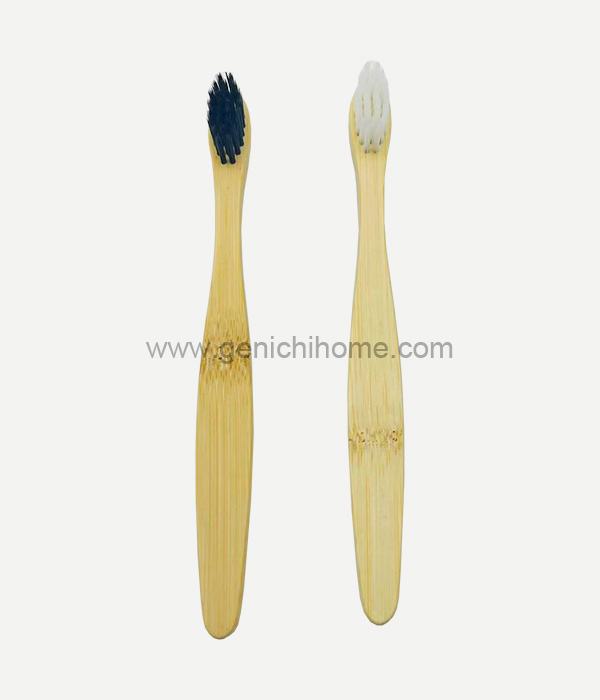
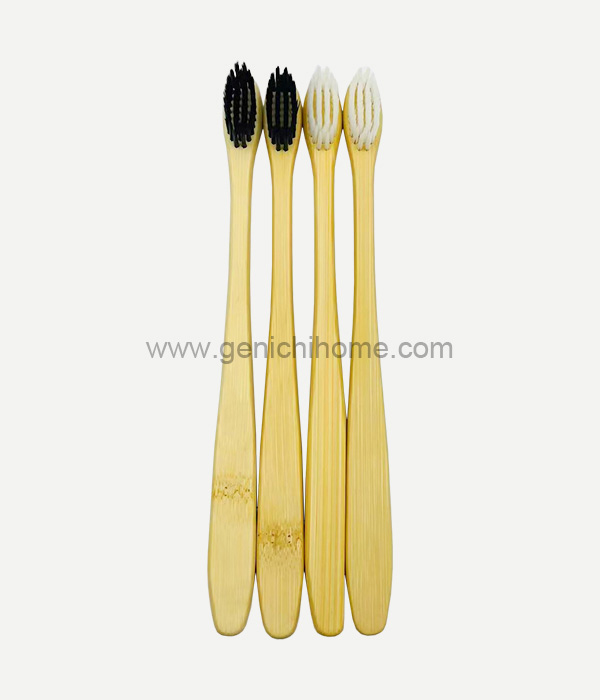
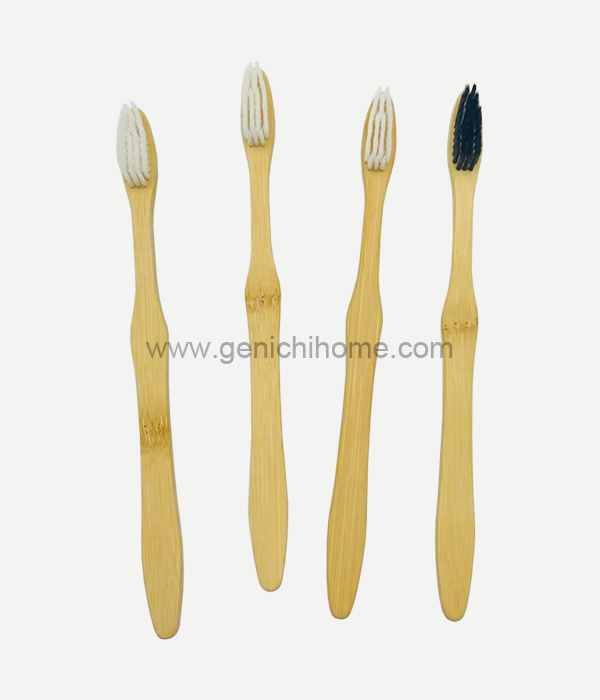
READ MOREWe strive to provide sustainable and eco-friendly alternatives for everyday items. Our bamboo toothbrushes are made from natural bamboo, a renewable resource that helps reduce plastic waste. By switching to our bamboo toothbrushes, you can make a positive impact on the environment while maintaining oral hygiene.
Specializing in the production, manufacturing and sales of bamboo and wood daily necessities for many years.
Genichi Home & Life Essentials is China Bamboo Toothbrush Manufacturers and Bamboo Toothbrush Factory, we have the ability to design, produce and sell products independently.
Support the production and customization of small batch products.


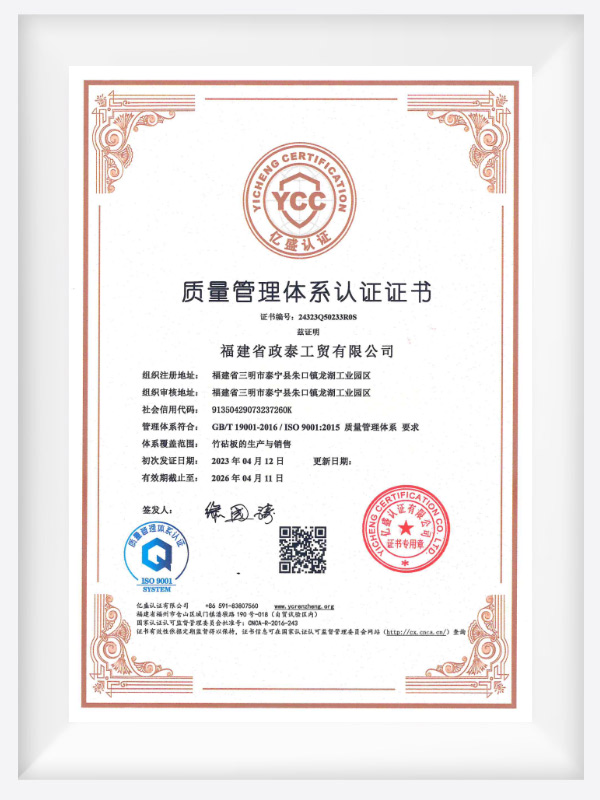
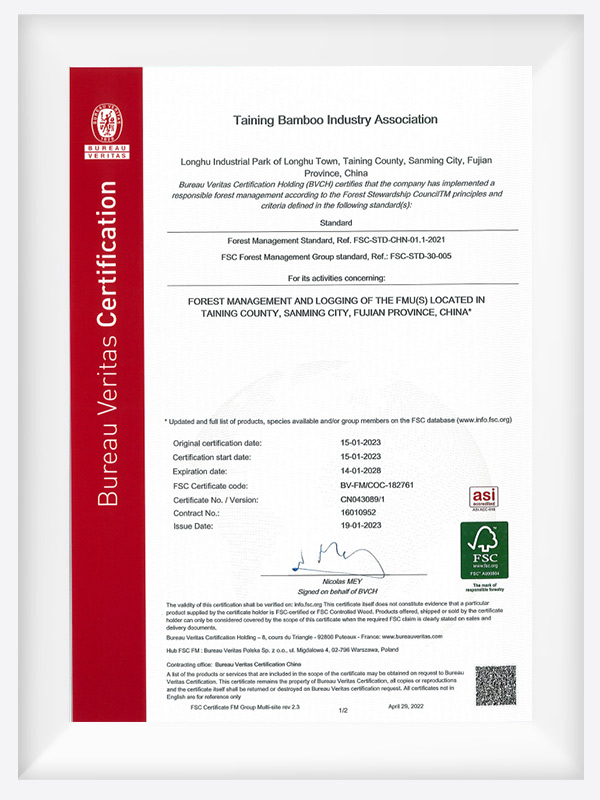
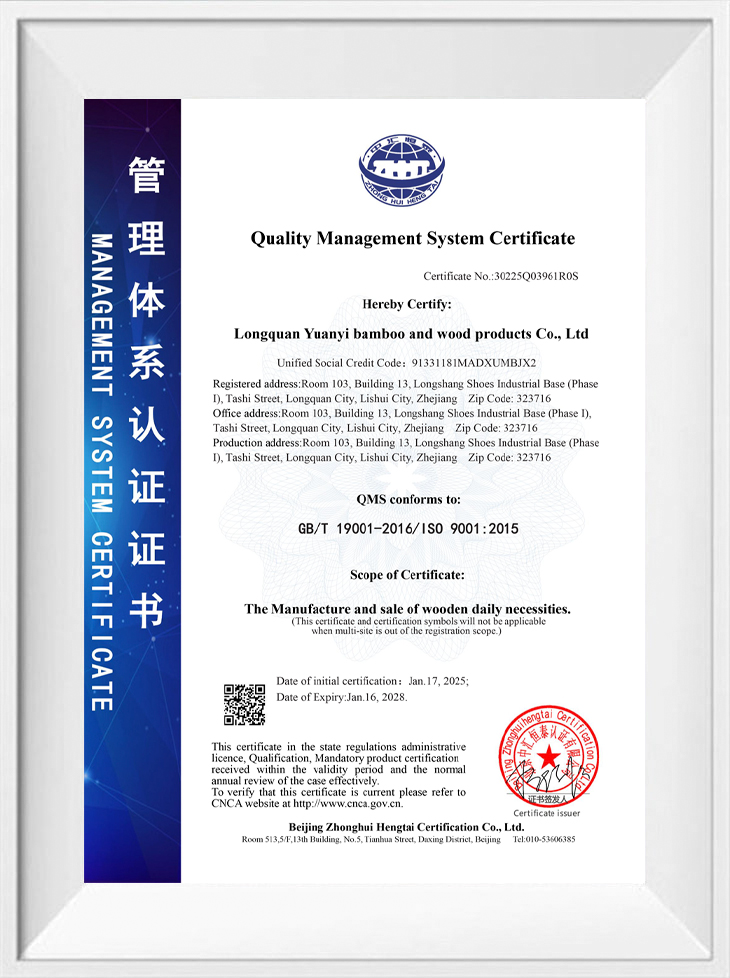
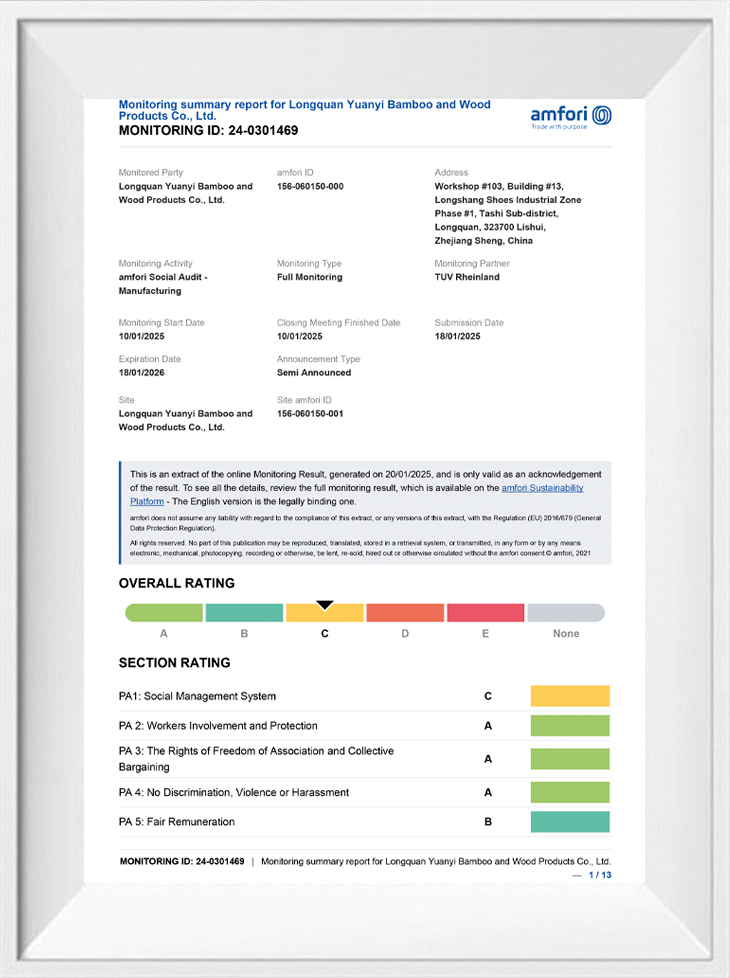
Why Wooden Rolling Pins Need Special Care A wooden rolling pin isn't built the same way as a marble or silicone one, and that changes everything abou...
READ MOREThe Verdict: Why Bamboo Is a Superior Choice Bamboo toothpicks are generally better than traditional wooden or plastic alternatives due to their rapi...
READ MOREThe Superiority of Wooden Hangers for Garment Care Wooden hangers are widely regarded as the gold standard for preserving the shape and longevity of ...
READ MOREWhy Choose a Bamboo Tray? A bamboo tray offers a perfect blend of sustainability, durability, and aesthetic warmth. Unlike plastic or heavy hardwoods...
READ MOREWhy a Cutting Board Makes Such a Popular Personalization Gift A cutting board sits in an odd, useful spot in the kitchen. It gets used almost daily, ...
READ MOREBefore diving into cleaning performance, it's essential to acknowledge the environmental benefits of bamboo toothbrushes. Bamboo, a fast-growing and renewable resource, serves as the primary material for these eco-friendly brushes. Unlike plastic, which takes centuries to decompose, bamboo toothbrushes are biodegradable, thus reducing plastic waste and environmental pollution.
Cleaning Performance
The effectiveness of a toothbrush hinges on its ability to remove plaque and debris, promoting oral hygiene. Bamboo toothbrushes typically feature high-quality nylon bristles meticulously designed to tackle dental hygiene tasks with precision. These bristles, akin to those on traditional plastic toothbrushes, are adept at reaching crevices and removing stubborn buildup.
Numerous studies have compared the cleaning performance of bamboo and plastic toothbrushes, with findings suggesting that both types are equally effective when used correctly. The key determinant of efficacy lies not in the material of the handle but in the design and quality of the bristles. As long as the bristles are of high quality and the brushing technique is thorough, bamboo toothbrushes can achieve the same level of cleanliness as their plastic counterparts.
Considerations for Optimal Cleaning
While bamboo toothbrushes can indeed deliver comparable cleaning performance, several factors warrant consideration to maximize efficacy:
Bristle Design: Opt for bamboo toothbrushes with well-designed bristles suited to your dental needs. Bristles come in various shapes, sizes, and stiffness levels, catering to diverse preferences and requirements.
Brushing Technique: Regardless of the toothbrush type, proper brushing technique plays a pivotal role in maintaining oral health. Ensure you brush for at least two minutes, covering all tooth surfaces and focusing on hard-to-reach areas.
One of the primary concerns associated with bamboo toothbrushes is the possibility of splinters. Bamboo, being a natural material, can occasionally splinter, especially if the toothbrush handle is not finely crafted or if the bamboo used is of lower quality.
However, we take measures to mitigate this risk. We carefully select bamboo materials, ensuring they are of high quality and undergo thorough processing to minimize the occurrence of splinters. Additionally, we apply a smooth finish to the bamboo handle, further reducing the likelihood of splintering.
To further minimize the risk of splinters, users can inspect their bamboo toothbrushes regularly. If any splinters or rough areas are detected, the affected portion can be smoothed out using sandpaper or a fine-grit emery board.
Rough Edges
Rough edges on bamboo toothbrushes can also be a concern, particularly if the manufacturing process is not meticulous or if the handle design lacks refinement.
To address this concern, users can inspect their toothbrushes before use. Running a finger along the handle to check for any rough or uneven areas can help identify potential issues. If rough edges are present, they can be smoothed out using sandpaper or a similar gentle abrasive.
Contact Us
Address: Room 1805, Communication Service Industrial Park, No. 183, Wenhui Road, Gongshu District, Hangzhou City, Zhejiang Province
E-mail: [email protected]
QUICK LINKS

