
 English
 русский
 عربى
عربى
Why Wooden Rolling Pins Need Special Care A wooden rolling pin isn't built the same way as a marble or silicone one, and that changes everything abou...
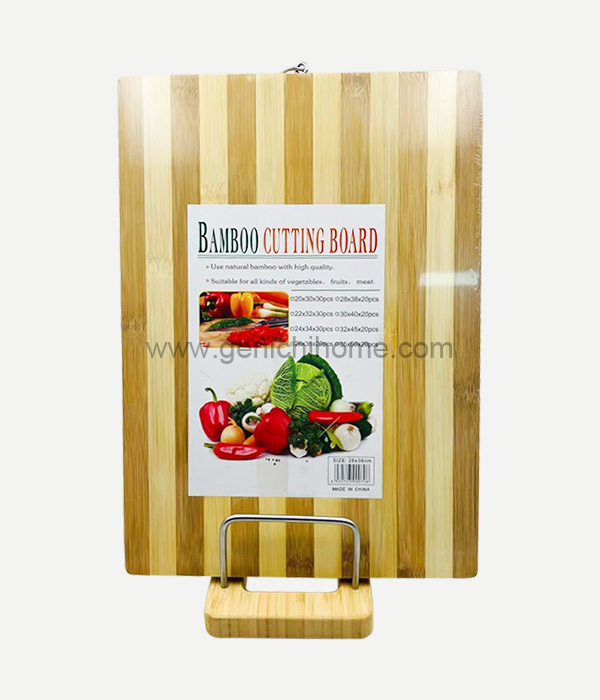
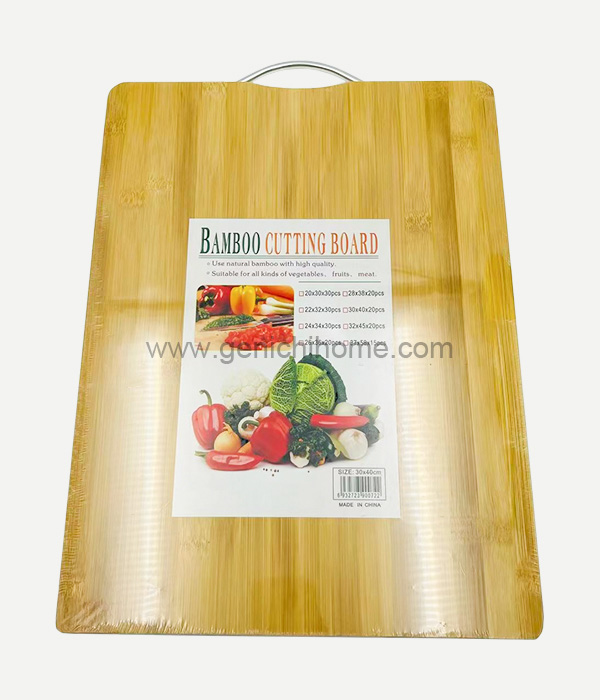
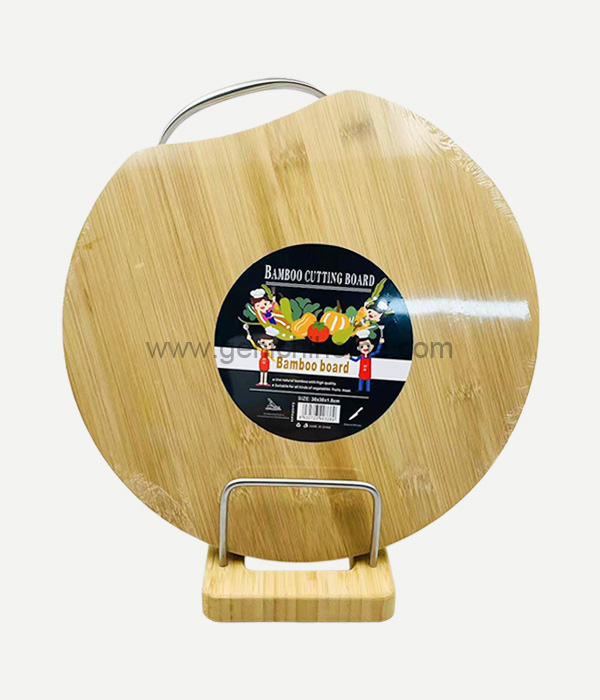
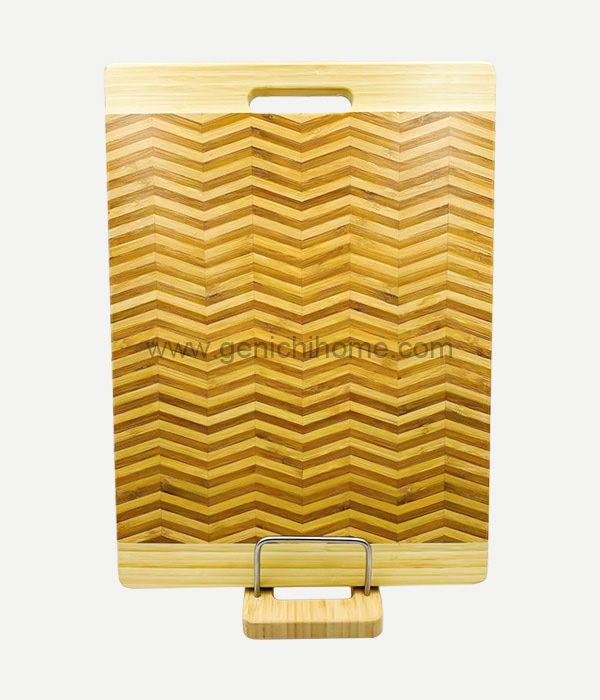
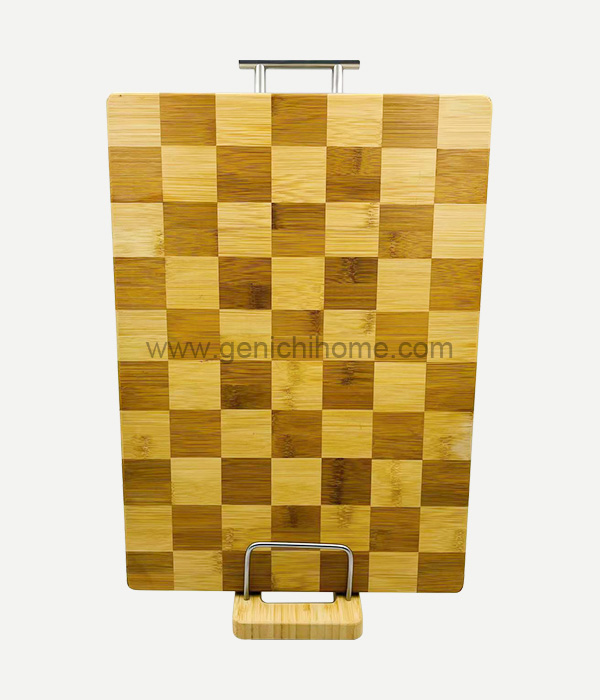
READ MOREOur chopping board is crafted from organic bamboo, ensuring a strong and sturdy surface that can withstand even the cuts. Unlike traditional wooden boards, bamboo is naturally resistant to knife marks and warping, making it a long-lasting investment.
Specializing in the production, manufacturing and sales of bamboo and wood daily necessities for many years.
Genichi Home & Life Essentials is China Bamboo Cutting Board Manufacturers and Bamboo Cutting Board Factory, we have the ability to design, produce and sell products independently.
Support the production and customization of small batch products.


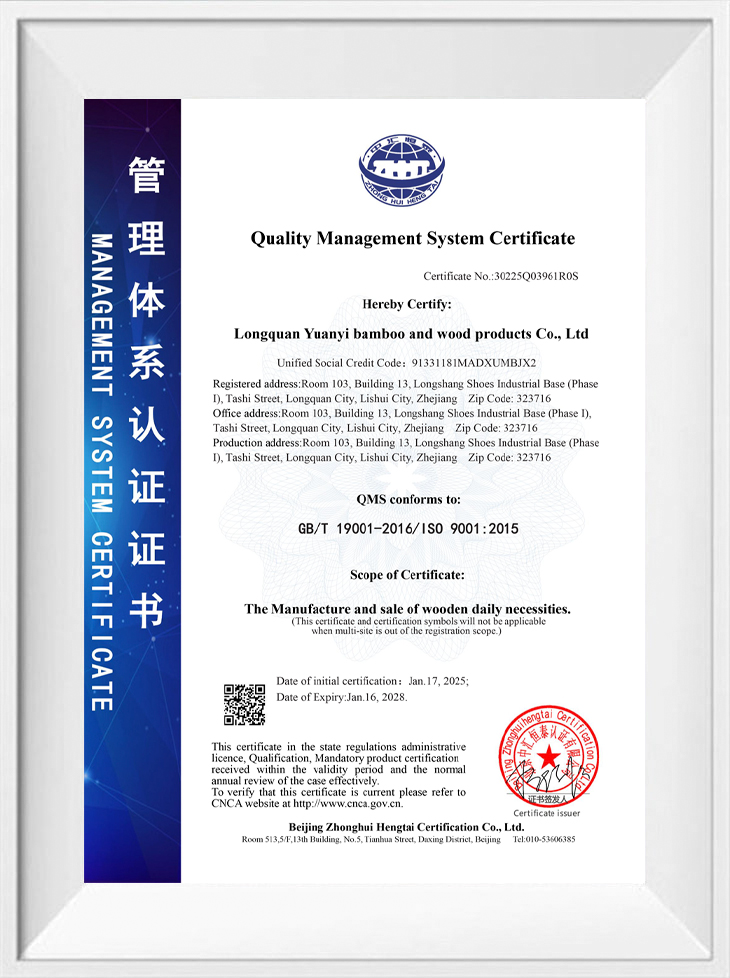
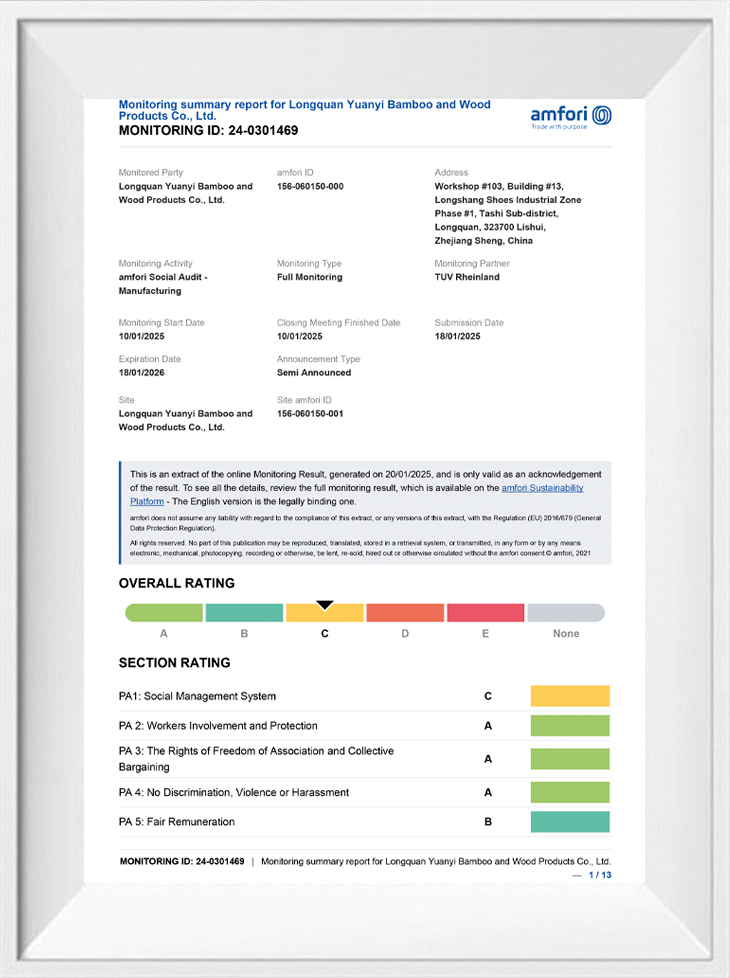
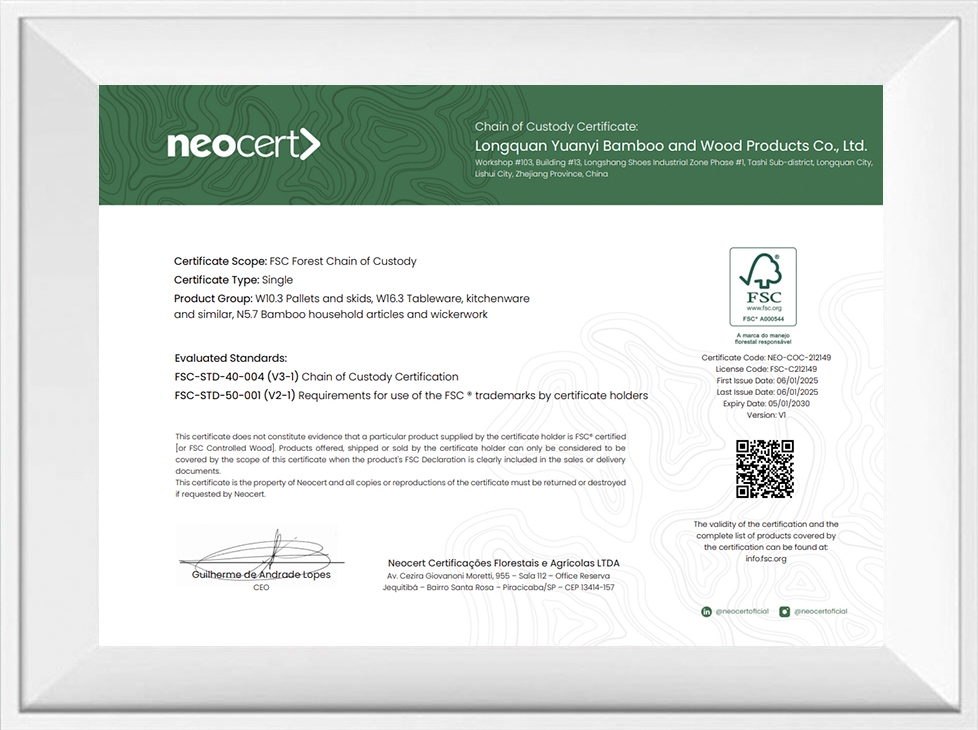
Why Wooden Rolling Pins Need Special Care A wooden rolling pin isn't built the same way as a marble or silicone one, and that changes everything abou...
READ MOREThe Verdict: Why Bamboo Is a Superior Choice Bamboo toothpicks are generally better than traditional wooden or plastic alternatives due to their rapi...
READ MOREThe Superiority of Wooden Hangers for Garment Care Wooden hangers are widely regarded as the gold standard for preserving the shape and longevity of ...
READ MOREWhy Choose a Bamboo Tray? A bamboo tray offers a perfect blend of sustainability, durability, and aesthetic warmth. Unlike plastic or heavy hardwoods...
READ MOREWhy a Cutting Board Makes Such a Popular Personalization Gift A cutting board sits in an odd, useful spot in the kitchen. It gets used almost daily, ...
READ MOREBamboo cutting boards are generally quite resistant to scratches and knife marks compared to other materials like plastic or traditional wooden boards. Bamboo is a dense material, which helps to prevent deep cuts and gouges from knives. Additionally, the natural fibers in bamboo tend to close up after being cut, reducing the visibility of knife marks.
However, it's essential to note that while bamboo is durable, it is not entirely scratch-proof. Over time and with regular use, you may notice some surface scratches and marks, particularly if sharp knives are used aggressively. Despite this, bamboo cutting boards tend to maintain their integrity well and can withstand a significant amount of wear and tear before needing to be replaced. Regular oiling and proper maintenance can also help to minimize the appearance of scratches and prolong the lifespan of the cutting board.
Cleaning and maintaining a bamboo cutting board is relatively simple, but it's essential to do it properly to ensure its longevity and hygiene. Here's a step-by-step guide:
Wash with Warm, Soapy Water: After each use, wash the bamboo cutting board with warm, soapy water. Use a mild dish soap and a soft sponge or cloth to gently scrub the surface. Avoid soaking the board in water or placing it in the dishwasher, as excessive moisture can cause the bamboo to swell and warp.
Rinse Thoroughly: After washing, rinse the cutting board thoroughly with clean water to remove any soap residue.
Dry Completely: Pat the cutting board dry with a clean towel immediately after washing. Ensure that both the front and back surfaces, as well as the edges, are completely dry. Standing water can promote the growth of bacteria and lead to warping or cracking of the bamboo.
Air Dry Vertically: Allow the cutting board to air dry vertically, preferably in an upright position, to ensure proper airflow around all surfaces. Avoid laying it flat on a countertop while it's still damp, as this can trap moisture and lead to mold growth.
Apply Mineral Oil (Optional): Periodically (about once a month or as needed), apply a thin layer of food-grade mineral oil to the cutting board's surface. This helps to nourish the bamboo, prevent it from drying out, and maintain its natural luster. Use a soft cloth to apply the oil evenly, and allow it to absorb for several hours or overnight before wiping off any excess oil.
Store Properly: Store the bamboo cutting board in a dry, well-ventilated area away from direct heat sources and sunlight. Avoid leaning it against a wall or stacking heavy objects on top of it, as this can cause warping or deformation over time.
Contact Us
Address: Room 1805, Communication Service Industrial Park, No. 183, Wenhui Road, Gongshu District, Hangzhou City, Zhejiang Province
E-mail: [email protected]
QUICK LINKS

