
 English
 русский
 عربى
عربى
Why Wooden Rolling Pins Need Special Care A wooden rolling pin isn't built the same way as a marble or silicone one, and that changes everything abou...
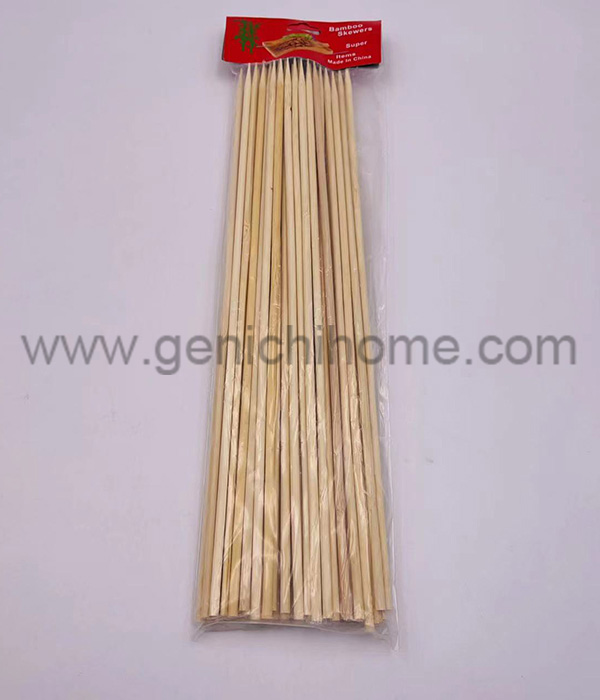
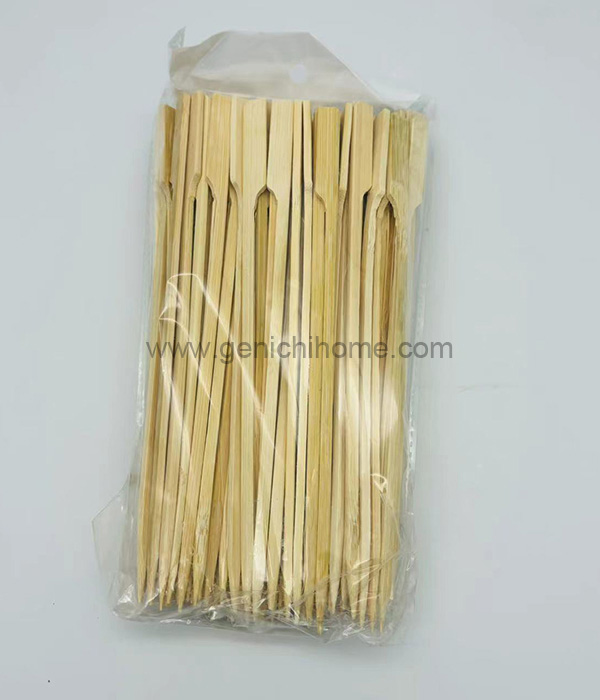
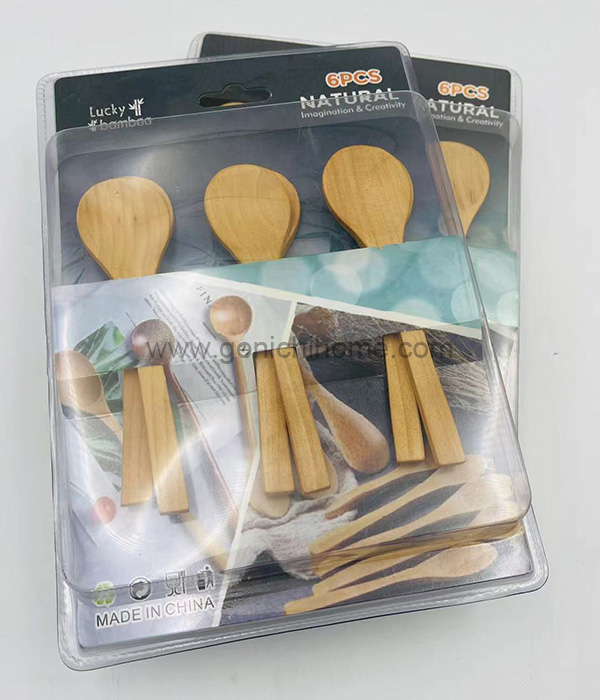
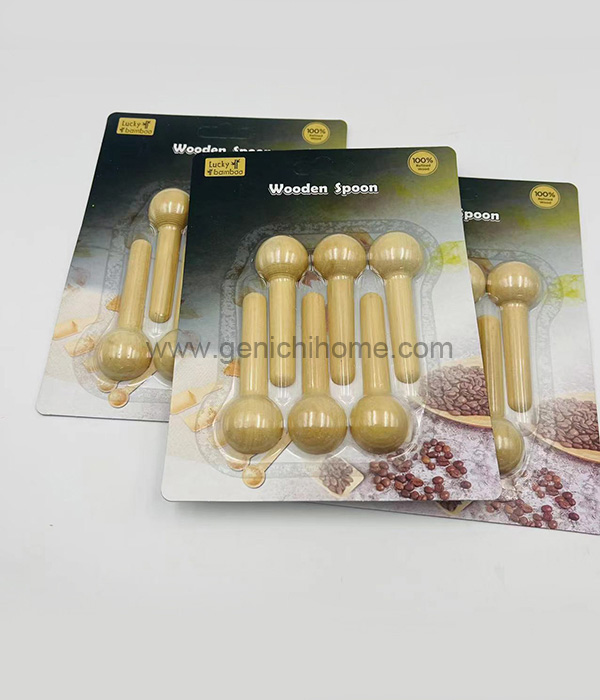
READ MOREI am thrilled to introduce our offering: bamboo and wooden disposable consumables, made from natural bamboo and wood, our one-time use tableware offers a sustainable and eco-friendly alternative to conventional plastic and paper products, our bamboo and wooden disposable tableware is not only biodegradable but also compo stable, ensuring that no harmful waste is left behind.
Specializing in the production, manufacturing and sales of bamboo and wood daily necessities for many years.
Genichi Home & Life Essentials is China Disposable Consumables Manufacturers and Disposable Consumables Factory, we have the ability to design, produce and sell products independently.
Support the production and customization of small batch products.


Why Wooden Rolling Pins Need Special Care A wooden rolling pin isn't built the same way as a marble or silicone one, and that changes everything abou...
READ MOREThe Verdict: Why Bamboo Is a Superior Choice Bamboo toothpicks are generally better than traditional wooden or plastic alternatives due to their rapi...
READ MOREThe Superiority of Wooden Hangers for Garment Care Wooden hangers are widely regarded as the gold standard for preserving the shape and longevity of ...
READ MOREWhy Choose a Bamboo Tray? A bamboo tray offers a perfect blend of sustainability, durability, and aesthetic warmth. Unlike plastic or heavy hardwoods...
READ MOREWhy a Cutting Board Makes Such a Popular Personalization Gift A cutting board sits in an odd, useful spot in the kitchen. It gets used almost daily, ...
READ MOREBiodegradability: Unlike plastic, which can take hundreds of years to decompose, bamboo and wood are biodegradable materials. When disposed of properly, bamboo and wood disposable consumables break down naturally over time, reducing the accumulation of waste in landfills and oceans.
Compostability: In addition to being biodegradable, bamboo and wood disposable consumables are often compostable. This means they can be broken down into nutrient-rich organic matter through composting processes. Composting these materials diverts them from landfills and creates valuable soil amendments, further reducing waste.
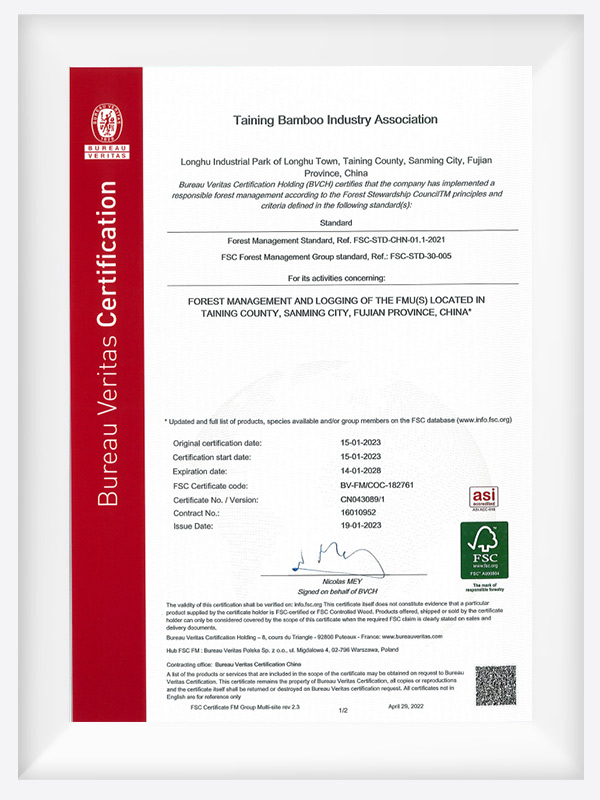
Renewable Resources: Bamboo and wood are renewable resources that can be harvested sustainably. Unlike paper, which often comes from trees harvested from unsustainable forestry practices, bamboo and wood can be grown and harvested in a way that promotes regeneration and biodiversity, reducing the pressure on natural forests.
Reduced Dependency on Plastic: By offering alternatives to plastic disposable tableware, bamboo and wood consumables help reduce the demand for petroleum-based plastics. This, in turn, decreases the environmental impact associated with the extraction, production, and disposal of plastic materials.
Promotion of Sustainable Practices: Choosing bamboo and wood disposable consumables promotes awareness and adoption of sustainable practices. It encourages individuals, businesses, and communities to prioritize environmental considerations in their purchasing decisions and daily habits, contributing to a broader shift towards sustainability.
Natural Material: Bamboo and wood are natural materials that do not contain harmful chemicals or toxins inherently. When properly processed and manufactured into disposable tableware, they maintain their natural properties and are safe for food contact.
Food-Grade Standards: Reputable manufacturers of bamboo and wood disposable consumables adhere to food-grade standards and regulations. This means that their products are designed and produced with materials and processes that meet or exceed safety requirements for food contact.
Non-reactive: Bamboo and wood are non-reactive materials, meaning they do not interact with or leach chemicals into food or beverages. Unlike some plastics, which can release harmful substances when exposed to heat or acidic foods, bamboo and wood maintain their integrity and safety when in contact with food.
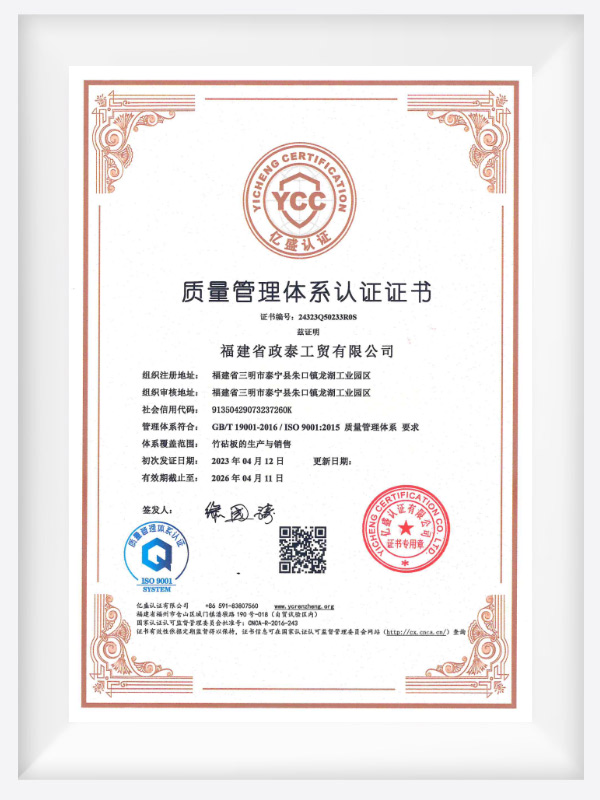
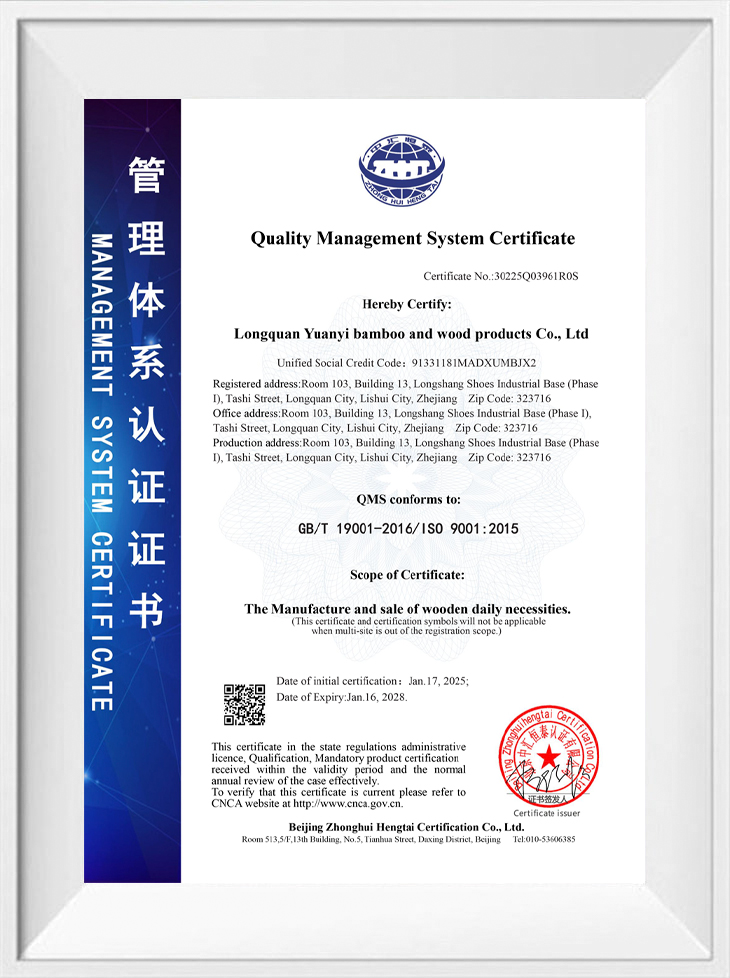
Testing and Certification: Many bamboo and wood disposable tableware products undergo testing and certification to ensure their safety for food contact. This may include evaluations for factors such as chemical migration, stability, and overall suitability for use with food.
Usage Guidelines: It's important to follow usage guidelines provided by the manufacturer to ensure the safety of bamboo and wood disposable consumables. This may include recommendations for temperature limits, intended uses, and proper handling to maintain product integrity and safety.
Contact Us
Address: Room 1805, Communication Service Industrial Park, No. 183, Wenhui Road, Gongshu District, Hangzhou City, Zhejiang Province
E-mail: [email protected]
QUICK LINKS

