
 English
 русский
 عربى
عربى
Our bamboo toothpicks come in various packaging cans with different external designs and capacities. The material used is natural bamboo, which is env...
See DetailsContent
A bamboo tray offers a perfect blend of sustainability, durability, and aesthetic warmth. Unlike plastic or heavy hardwoods, bamboo is lightweight yet strong, making it ideal for daily serving, bathroom organization, or decorative displays. Bamboo grows up to 91 cm per day, making it one of the most renewable resources available for home goods.
Beyond its eco-friendly credentials, bamboo possesses natural antimicrobial properties that resist bacteria and mold growth. This makes bamboo trays particularly suitable for kitchen and bathroom environments where hygiene is paramount. With proper care, a high-quality bamboo tray can last 5-10 years, maintaining its structural integrity and visual appeal.
Serving trays are the most common application for bamboo. Designed with raised edges to prevent spills, they are perfect for breakfast in bed, afternoon tea, or entertaining guests. Foldable leg designs add versatility, allowing the tray to function as a small table. Standard sizes range from 40x30cm for single servings to 60x40cm for family-style sharing.
Bamboo’s resistance to moisture makes it an excellent choice for bathroom organization. Vanity trays keep toiletries, cosmetics, and jewelry organized on countertops. Many feature slatted bottoms to allow water drainage, preventing pooling and extending the life of both the tray and the items stored on it.
Flat, rimless bamboo trays serve as elegant bases for candles, vases, or coffee table books. Their natural grain patterns add texture to minimalist interiors. Some manufacturers offer laser-engraved designs or mixed materials like resin inlays for a more artistic touch.
| Style | Best Use | Key Feature | Avg. Price Range |
|---|---|---|---|
| Foldable Serving | Dining, Bed | Adjustable Legs | $25-$45 |
| Slatted Bath | Bathroom | Water Drainage | $15-$30 |
| Flat Decor | Living Room | Smooth Finish | $10-$25 |
| Compartmentalized | Office/Kitchen | Organization | $20-$40 |
To preserve the natural finish of your bamboo tray, hand wash only with mild soap and warm water. Avoid soaking the tray for extended periods, as bamboo is porous and can absorb water, leading to warping or cracking. Dry immediately with a soft cloth after washing.
To maintain the luster and water resistance of your bamboo tray, apply food-grade mineral oil or beeswax every 2-3 months. This process replenishes the natural oils lost during cleaning and use. Simply apply a thin layer, let it sit for 15 minutes, and wipe off the excess with a clean cloth.
Bamboo is a grass, not a tree, and regenerates from its own root system after harvesting. This means no replanting is required, and soil erosion is minimized. A bamboo plantation can produce 20 times more yield than a traditional hardwood forest of the same size.
Bamboo forests absorb significantly more carbon dioxide than equivalent stands of trees. Choosing bamboo products supports industries that prioritize carbon-negative manufacturing. Additionally, bamboo trays are biodegradable at the end of their life cycle, unlike plastic alternatives that persist in landfills for centuries.
High-quality bamboo trays are processed using mechanical methods rather than chemical adhesives. Look for certifications like FSC (Forest Stewardship Council) or FDA-approved finishes to ensure your tray is free from harmful volatile organic compounds (VOCs) and formaldehyde.
Not all bamboo products are created equal. High-quality trays are made from Moso bamboo, which is denser and more durable than other varieties. Check for smooth sanding without splinters and tight joinery. Trays made from single pieces of bamboo are less prone to breaking than those assembled from multiple small strips.
Consider the primary use case before purchasing. For serving, ensure the tray is large enough to hold plates and cups comfortably. For organization, measure your countertop or shelf space to ensure a snug fit. Modular trays with removable dividers offer flexibility for changing needs.
Bamboo comes in various finishes, from natural light tones to dark carbonized shades. Carbonized bamboo undergoes a steaming process that darkens the color and enhances hardness. Choose a finish that complements your existing decor, whether it’s rustic, modern, or Scandinavian.
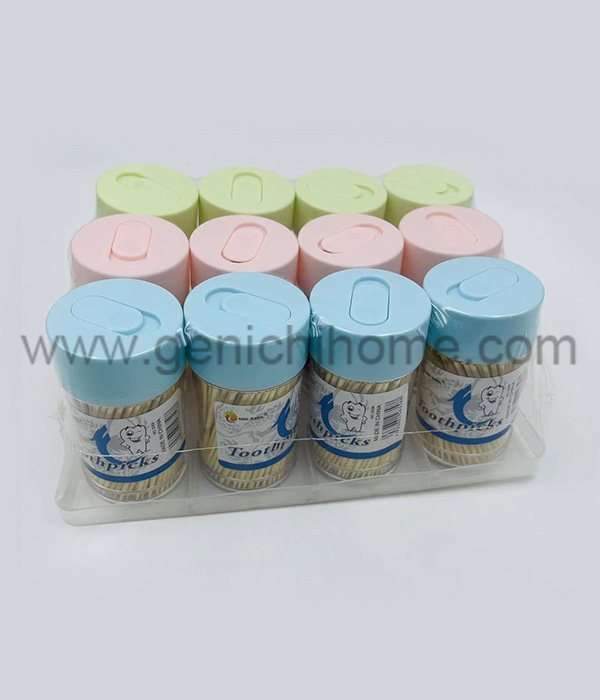
Our bamboo toothpicks come in various packaging cans with different external designs and capacities. The material used is natural bamboo, which is env...
See Details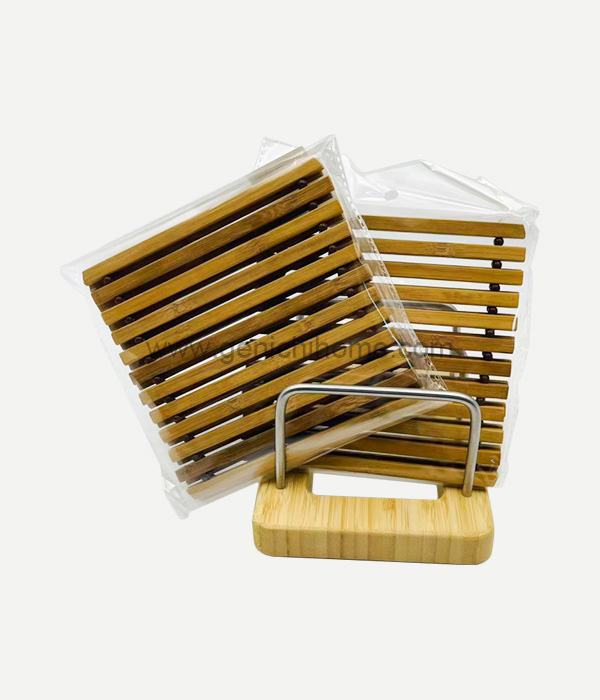
Our bamboo insulation mat is designed with exquisite grid patterns that provide a modern and minimalist touch, making it a versatile choice for any ho...
See Details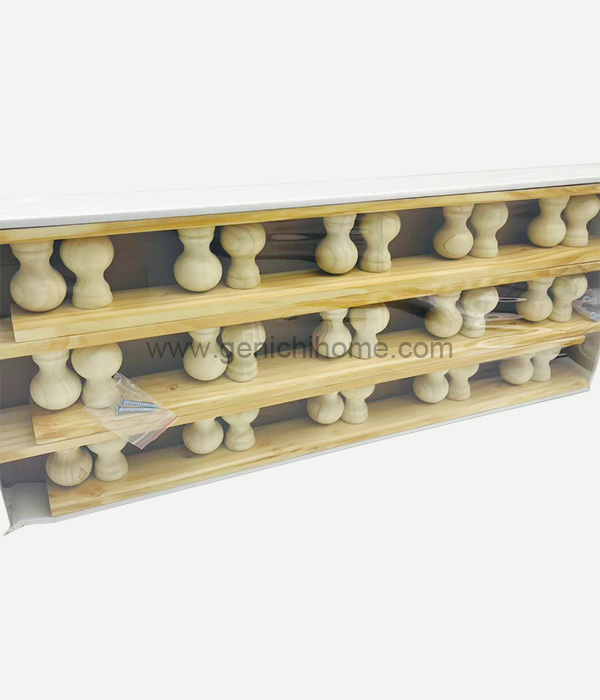
The 5-hook hanger is ideal for those seeking extra storage capacity. With five sturdy hooks, you'll have plenty of space for all your clothing and hat...
See Details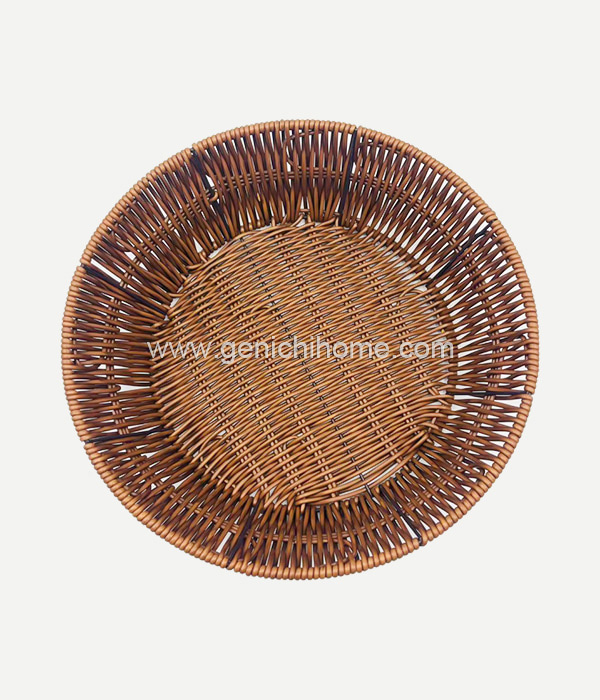
Rattan weaving products are our main recommended series. This product is woven with sturdy and beautiful shapes. Whether it's storage baskets or fruit...
See Details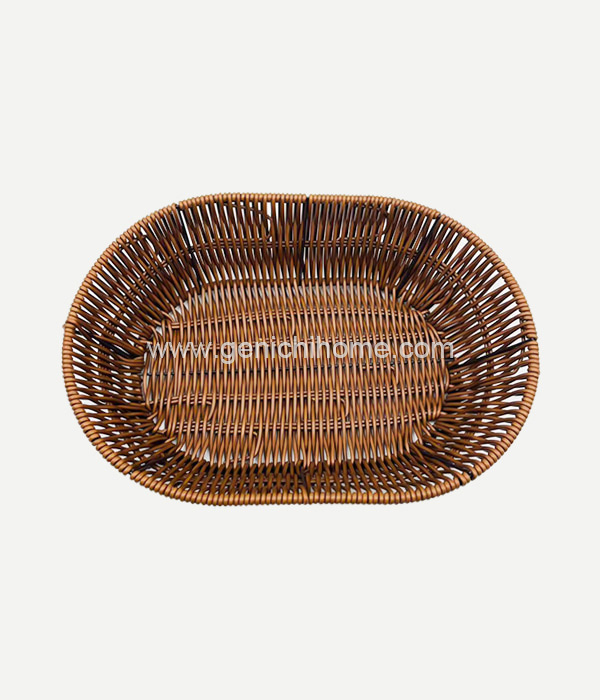
Rattan weaving products are our main recommended series. This product is woven with sturdy and beautiful shapes. Whether it's storage baskets or fruit...
See DetailsContact Us
Address: Room 1805, Communication Service Industrial Park, No. 183, Wenhui Road, Gongshu District, Hangzhou City, Zhejiang Province
E-mail: [email protected]
QUICK LINKS

