
 English
 русский
 عربى
عربى
This stir fry spatula is made of beech wood,In addition to durability, our stir fry spatula also has heat resistance. It can withstand high temperatur...
See DetailsContent
A wooden rolling pin isn't built the same way as a marble or silicone one, and that changes everything about how it should be cleaned. Wood is porous and reacts to water and heat the way most kitchen materials don't: it absorbs moisture, swells, and can eventually warp, crack, or split along any glued joints if it's treated the way you'd treat a plastic cutting board. The same qualities that make wood pleasant to work with — a little give, a natural grip, a warm feel in the hand — also make it something that needs a gentler cleaning routine than most other kitchen tools.
The good news is that the routine itself is simple. It just runs on different rules than what most people default to, which is usually where things go wrong.
For anyone who also owns a wooden or bamboo cutting board, the same logic applies across the board — quite literally. detailed cleaning and disinfection steps for new wooden cutting boards cover the same moisture-avoidance principles, just adapted for a flat surface instead of a cylinder.
Occasional deep cleaning goes a step beyond the daily wipe-down. Coarse salt works well as a natural, non-scratching abrasive — sprinkle it over the surface and rub gently with a damp cloth to lift stuck-on residue or faint stains, then wipe clean. For lingering odors from garlic, onion, or strongly flavored dough, a light rub with a cut lemon or a cloth dampened in diluted white vinegar neutralizes smells without leaving behind a chemical residue, followed by a quick rinse and full dry.
If you spot dark spots or a musty smell that suggests mold, don't reach for bleach. A cloth dampened with diluted vinegar, followed by thorough drying in a well-ventilated spot, is usually enough to handle it early. Mold on wood is almost always a moisture problem first, so the real fix is making sure the pin dries completely and isn't stored somewhere humid.
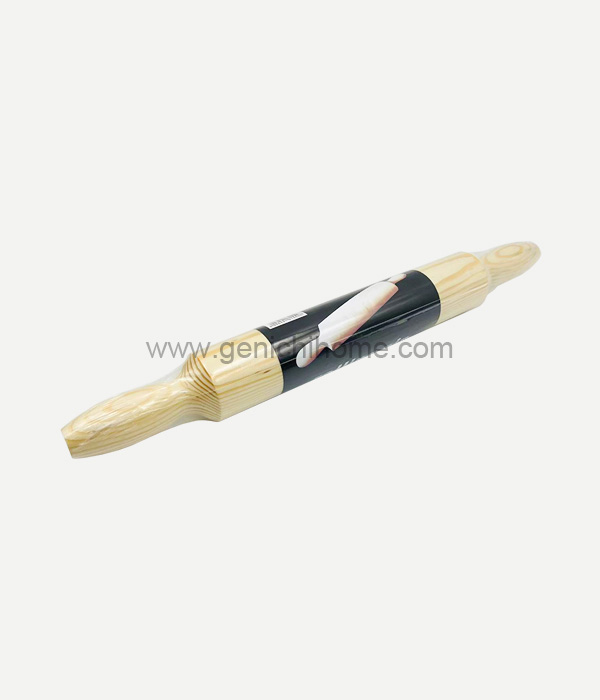
Cleaning keeps a rolling pin sanitary; oiling is what keeps it from drying out and cracking over the months and years of use. Food-grade mineral oil is the standard choice because it doesn't go rancid the way some cooking oils can, though butcher block oil or food-safe walnut oil work as well. Rub a small amount into the entire surface with a clean cloth, let it soak in for an hour or more, then wipe off any excess before storing.
How often this needs doing depends on climate more than habit. In dry environments, oiling every one to two months keeps the wood from drying out; in more humid climates, once or twice a year is often enough. If the surface starts looking dull or feels rough instead of smooth, that's usually the clearest sign it's due for a fresh coat.
Not every wooden rolling pin behaves the same way under water and wear, and that comes down to the density and oil content of the wood itself. Denser hardwoods tend to resist moisture absorption better and hold up longer between oilings, while softer woods need slightly more frequent attention to stay crack-free. a breakdown of which wood types are best suited for tableware and utensils covers how different species compare on hardness, grain, and natural resistance to moisture — useful context if you're deciding between rolling pins or replacing one.
For everyday baking, well-sanded, sturdy hand-held wooden rolling pins built for everyday baking are designed with the kind of balanced weight and tapered shape that holds up well to this cleaning routine, without extra grooves or joints where moisture can get trapped. Whatever pin you're working with, the underlying rule stays the same: scrape and wipe after every use, keep water contact brief, dry it completely, and oil it before it starts looking thirsty.
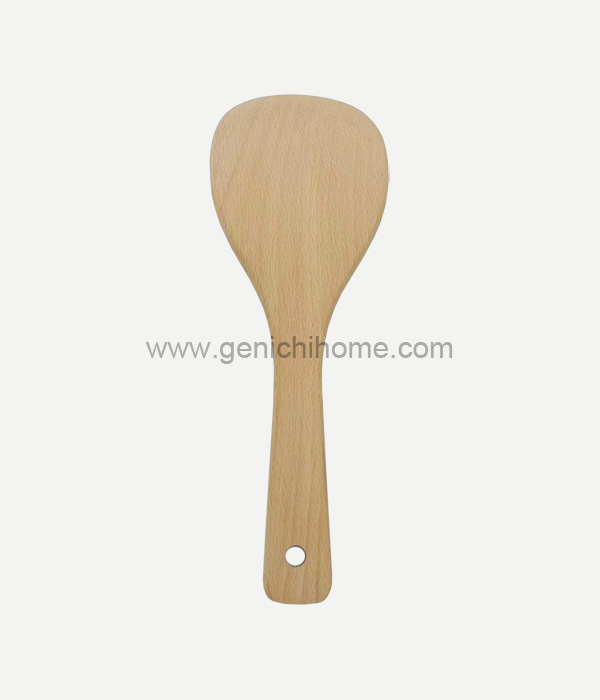
This stir fry spatula is made of beech wood,In addition to durability, our stir fry spatula also has heat resistance. It can withstand high temperatur...
See Details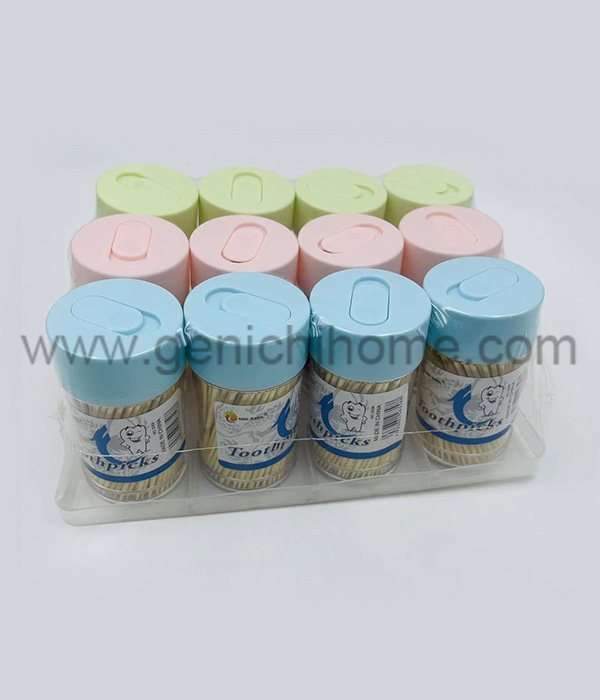
Our bamboo toothpicks come in various packaging cans with different external designs and capacities. The material used is natural bamboo, which is env...
See Details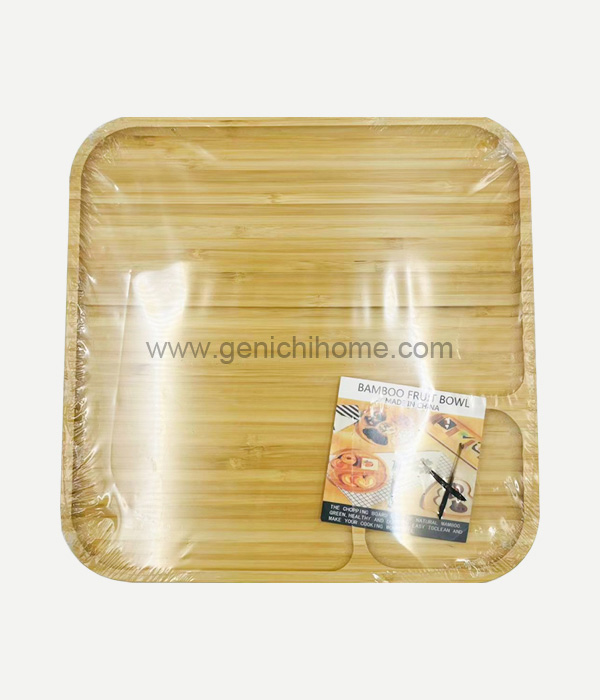
In terms of functionality, our Bamboo Nut Tray comes in two different options to suit your needs. The option is a three-compartment tray, allowing you...
See Details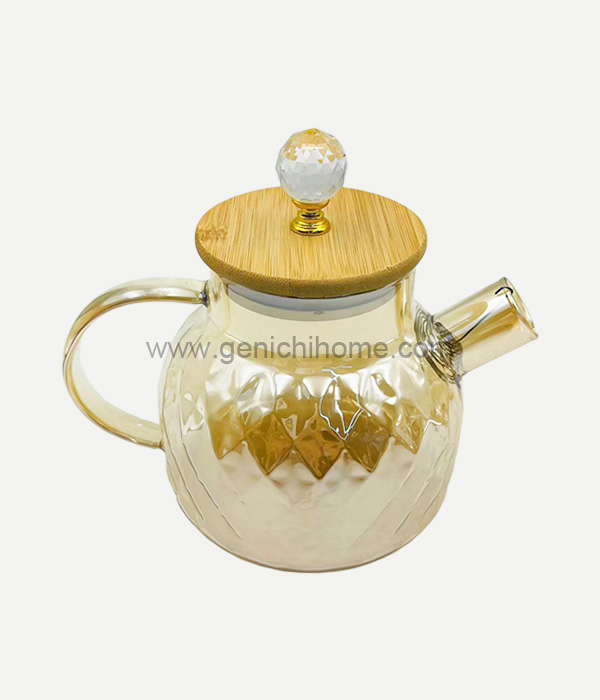
1000ml Capacity: Perfect for personal use or smaller get-togethers, this size offers convenience without compromising on style and functionality.
See Details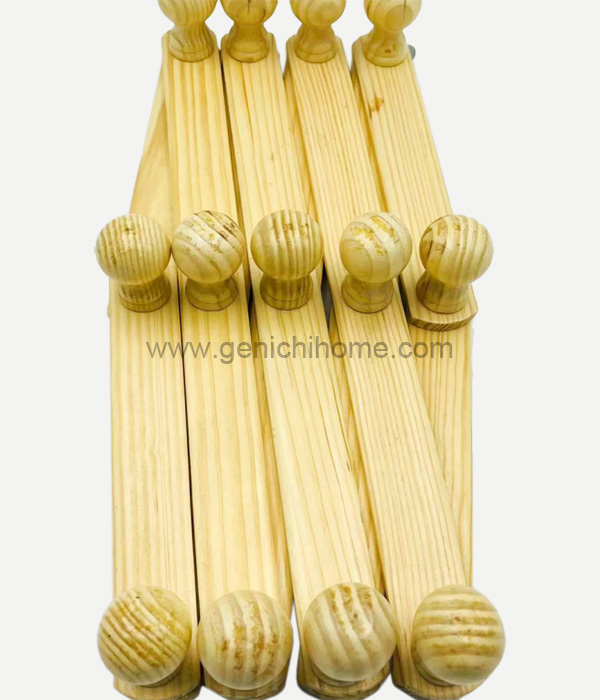
Made from high-quality pine wood, our Wall-mounted Expandable Clothes Rack is not only durable but also eco-friendly. The Carbonized Pine Wood finish ...
See DetailsContact Us
Address: Room 1805, Communication Service Industrial Park, No. 183, Wenhui Road, Gongshu District, Hangzhou City, Zhejiang Province
E-mail: [email protected]
QUICK LINKS

