
 English
 русский
 عربى
عربى
This stir fry spatula is made of beech wood,In addition to durability, our stir fry spatula also has heat resistance. It can withstand high temperatur...
See DetailsContent
Wooden hangers are widely regarded as the gold standard for preserving the shape and longevity of high-quality clothing. Unlike wire or thin plastic alternatives, a sturdy wooden hanger provides structural support that mimics the natural line of the human shoulders, preventing unsightly bumps and stretching in suits, jackets, and heavy coats.
Beyond aesthetics, wood offers functional benefits such as moisture absorption and odor neutralization, particularly when using aromatic woods like cedar. Investing in quality wooden hangers is not merely a decorative choice but a practical strategy for extending the life of your wardrobe, reducing the frequency of dry cleaning, and maintaining the resale value of luxury garments.
Not all wooden hangers are created equal. The type of wood used determines the hanger's durability, weight capacity, and additional protective properties.
Cedar is the most popular choice for premium hangers due to its natural aromatic oils. These oils act as a powerful moth repellent and help neutralize musty odors. Cedar also has hygroscopic properties, meaning it can absorb excess moisture from the air, helping to keep garments dry and preventing mildew growth in humid climates.
Hardwoods like maple and beech offer exceptional strength and a smooth finish. They are ideal for heavy items such as winter coats and denim jackets. These woods are less aromatic than cedar but provide a clean, minimalist aesthetic that fits well in modern closets. They are typically finished with a non-toxic lacquer to enhance durability and prevent splintering.
For those prioritizing luxury and visual appeal, walnut and mahogany hangers offer rich, dark tones that elevate the look of any closet. While they share the structural benefits of other hardwoods, their primary advantage is aesthetic. They are often used in high-end retail displays and bespoke walk-in closets.
| Wood Type | Weight Capacity | Key Benefit | Best For |
|---|---|---|---|
| Cedar | Medium-High | Moth Repellent | Suits, Woolens |
| Maple | High | Durability | Coats, Heavy Jackets |
| Walnut | Medium-High | Aesthetics | Luxury Display |
The design of a wooden hanger significantly impacts its effectiveness. Key features to look for include contouring, bar types, and finish quality.
The best wooden hangers feature wide, contoured shoulders that curve gently to match the natural slope of human shoulders. This design distributes the weight of the garment evenly, preventing the "shoulder bumps" commonly caused by wire or narrow plastic hangers. For suits and structured jackets, this feature is critical for maintaining the garment's silhouette.
Many wooden hangers include a removable or fixed trouser bar, allowing users to hang pants and skirts alongside jackets. This keeps outfits together and saves space. Additionally, notches on the top edge of the hanger arms provide secure points for hanging items with straps, such as dresses or tank tops, preventing them from slipping off.
A high-quality brass or steel swivel hook allows the hanger to rotate 360 degrees. This feature makes it easier to access garments in deep closets and reduces stress on the closet rod. Ensure the hook is securely attached to the wood body to prevent breakage under heavy loads.
To ensure your wooden hangers last for decades, proper care is essential. Wood is a natural material that can react to environmental changes if not maintained correctly.
Regularly wipe down hangers with a soft, dry cloth to remove dust. For deeper cleaning, use a slightly damp cloth followed immediately by a dry one. Avoid harsh chemical cleaners or soaking the wood, as this can damage the finish and cause warping. Applying a natural wood polish or beeswax once or twice a year helps maintain the luster and protects the wood from drying out.
If you use cedar hangers, their scent will naturally fade over time. To rejuvenate the aroma, lightly sand the surface with fine-grit sandpaper. This releases fresh oils from the wood. In very humid environments, consider using a dehumidifier in the closet to prevent the wood from absorbing excessive moisture, which could lead to mold or warping.
Periodically check hangers for signs of wear, such as splintering or loose hooks. Sand down any rough spots immediately to prevent snagging delicate fabrics. If a hook becomes loose, tighten it with a screwdriver or apply a small amount of wood glue to secure it.
While wooden hangers have a higher upfront cost compared to plastic or wire options, their long-term value is significant when considering garment preservation.
Quality wooden hangers typically range from $5 to $20 per unit, depending on the wood type and craftsmanship. Bulk sets may offer discounts, bringing the average cost down to $3-$8 per hanger. In contrast, basic plastic hangers cost $0.50-$2, and wire hangers are often free but offer minimal protection.
By preventing shoulder deformation and reducing the need for frequent steaming or pressing, wooden hangers can extend the life of your clothing by several years. For a suit costing $1,000, avoiding premature wear can save hundreds of dollars in replacement costs. Additionally, the reduced need for dry cleaning due to better air circulation and odor control contributes to long-term savings.
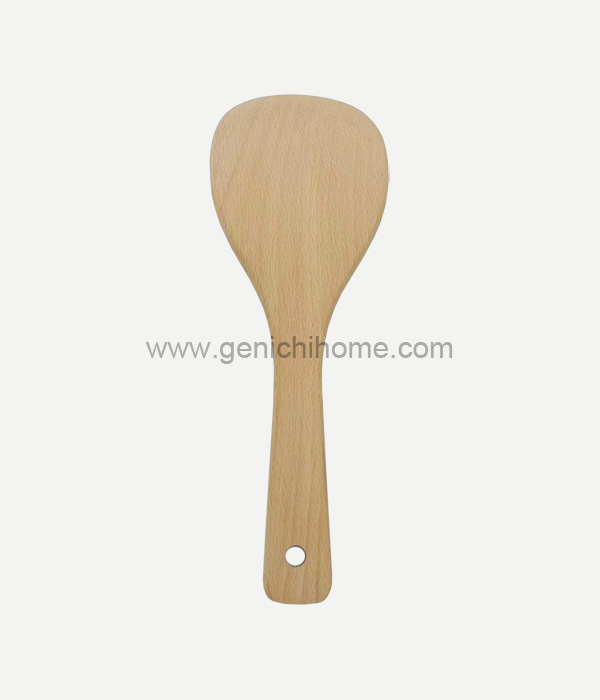
This stir fry spatula is made of beech wood,In addition to durability, our stir fry spatula also has heat resistance. It can withstand high temperatur...
See Details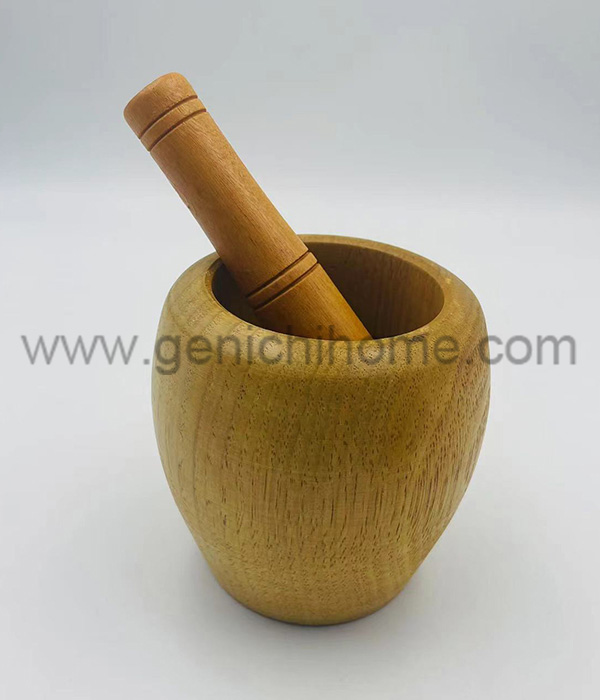
Our garlic pounds are made of Lithocarpus material to ensure their durability and lifespan.We firmly believe that the Garlic Pounder will revolutioniz...
See Details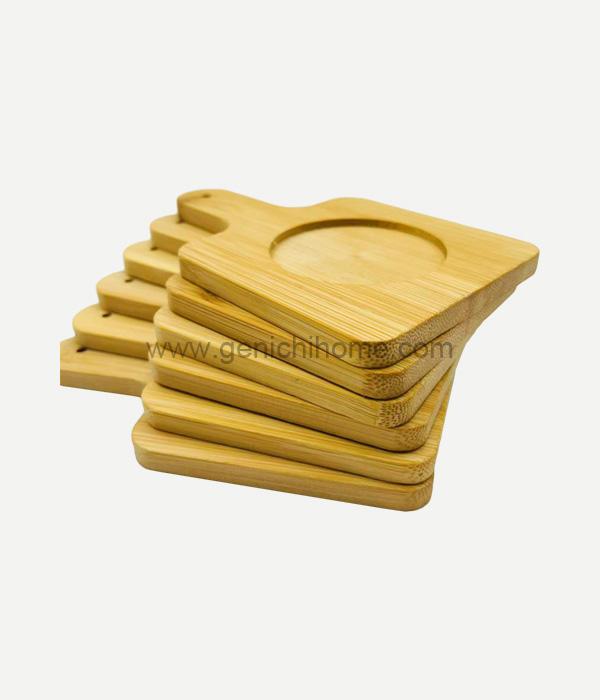
Our bamboo coasters are available in two shapes – round and square, both of which come equipped with a convenient handle. This unique feature allows f...
See Details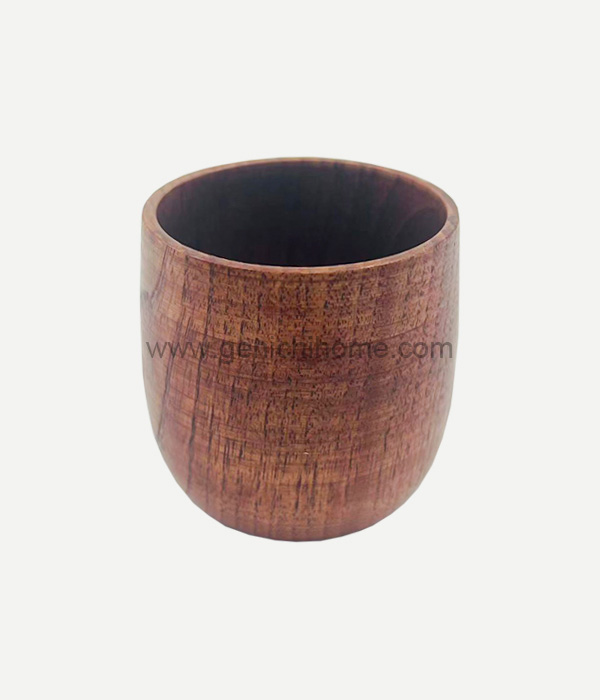
In addition to its aesthetic appeal, the Bamboo and Wood Cup is also eco-friendly. Made from sustainable materials, it is a greener alternative to con...
See Details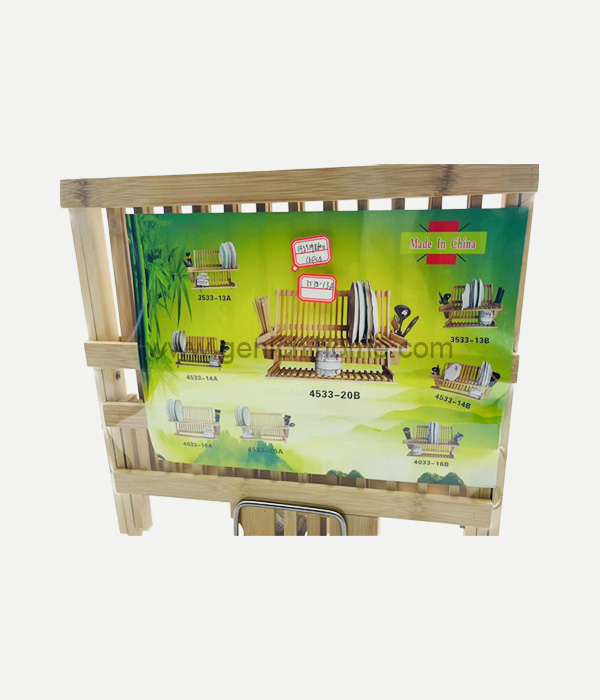
Our Bamboo Cutlery Holder is a practical and eco-friendly solution for organizing and drying your bowls and cutlery,providing ample space to hold your...
See DetailsContact Us
Address: Room 1805, Communication Service Industrial Park, No. 183, Wenhui Road, Gongshu District, Hangzhou City, Zhejiang Province
E-mail: [email protected]
QUICK LINKS

