
 English
 русский
 عربى
عربى
We proudly present circular pizza tray, a classic design that ensures even heat distribution for a ly cooked pizza. The circular shape allows you to e...
See DetailsScroll through any food-focused social feed right now and one thing stands out: salads are no longer an afterthought. The colorful salad — layered with reds, oranges, greens, and purples — has become a staple on tables everywhere, from weeknight dinners to weekend entertaining. And the reason people keep coming back to it has nothing to do with trends. Color in your bowl is a direct signal of nutritional diversity, and once you understand that connection, building a vibrant salad feels less like a chore and more like a strategy.
Content
A salad assembled from the full color spectrum isn't just easier on the eyes — it represents a fundamentally more nutritious plate. Different-colored vegetables and fruits contain different families of phytonutrients, each with its own set of protective benefits for the body. Eating a single-color salad, say an all-green bowl, gives you one range of compounds. Building across the spectrum gives you several.
There's also a practical motivation: colorful salads are far more satisfying to eat. Varied textures, distinct flavors, and contrasting temperatures (think roasted orange sweet potato against crisp raw purple cabbage) make every forkful different. That variety is exactly why a well-built colorful salad rarely leaves anyone feeling like they "settled" for something healthy.
The connection between plant color and nutrition is well-established. According to research published by Harvard Medical School nutrition experts, the pigments in fruits and vegetables signal the presence of distinct phytochemicals and phytonutrients, and people whose diets are rich in these compounds show lower rates of heart disease and cancer. Meanwhile, a peer-reviewed analysis on colorful plant-based diets found that phytonutrients modulate cellular function in ways that lead to measurably better health outcomes over time.
Here's a quick breakdown of what each color brings to your bowl:
No single color is superior. The goal is balance across the spectrum, and a salad is the most practical vehicle for achieving it in a single meal.
The most effective way to build a colorful salad is to treat each color category as a mandatory slot, then fill it with whatever is in season or on hand. Below is a working ingredient guide organized by color.
| Color | Vegetable / Fruit Options | Texture Contribution |
|---|---|---|
| Red | Cherry tomatoes, red bell pepper, radish, strawberry | Juicy, crisp |
| Orange | Roasted sweet potato, shredded carrot, orange segments | Soft or crunchy |
| Yellow | Yellow bell pepper, corn kernels, mango cubes | Tender, sweet |
| Green | Spinach, arugula, cucumber, avocado, edamame | Creamy, leafy, fresh |
| Purple / Blue | Red cabbage, blueberries, purple kale, red onion | Crunchy, tart |
| White / Pale | Chickpeas, jicama, mushrooms, fennel | Hearty, neutral base |
Beyond vegetables and fruit, adding a protein element — grilled chicken, hard-boiled eggs, tofu, or quinoa — and a fat component — toasted nuts, seeds, or crumbled cheese — rounds out the nutritional profile and makes the salad genuinely filling. For prep efficiency, a sharp bamboo cutting board for precise vegetable prep makes quick work of the chopping that a colorful salad demands.
A great dressing on a colorful salad should enhance the ingredients, not compete with them. Heavy, opaque dressings tend to muddy the colors and flatten the flavors. These three styles work reliably well:
A consistent rule across all three: dress the salad just before serving, and use less than you think you need. The natural moisture from fresh vegetables will redistribute the dressing as you toss.
Assembling a colorful salad well is only half the work. How you serve it shapes the entire experience. A shallow white plate flattens the composition. A deep, narrow bowl hides half the ingredients. The most effective vessel for a colorful salad is a wide, medium-depth bowl with a natural material finish — something that contrasts with the produce rather than competing with it.
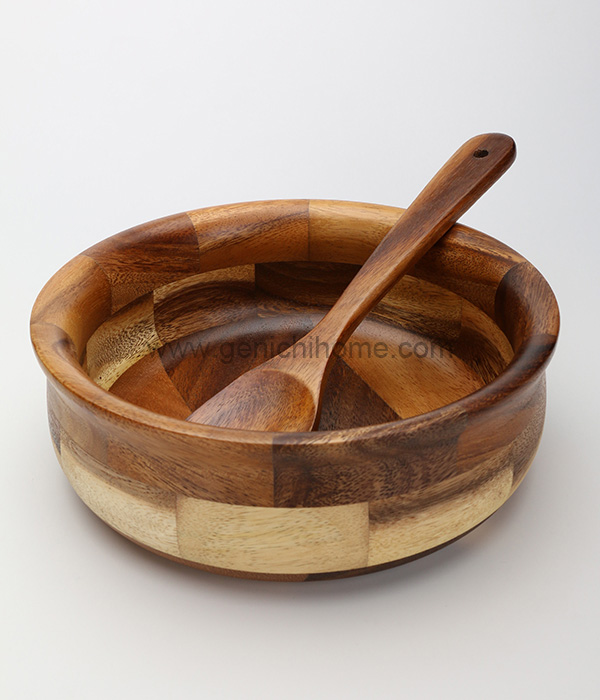
Wood is the obvious choice. The warm grain of an acacia wood salad bowl creates an immediate contrast against bright reds, greens, and yellows that no ceramic or plastic bowl can match. The natural variation in the wood grain also means no two servings look quite the same. For larger gatherings, a broader bowl from the full wooden salad bowl collection gives you the surface area to arrange ingredients by color before tossing — a small detail that consistently draws comments at the table.
If you're serving the salad as part of a spread rather than a standalone dish, a bamboo cheese and serving board works well as a flat base for individual components, letting guests build their own portions. It also keeps the table looking cohesive when you're mixing multiple dishes.
A colorful salad doesn't require complex technique or expensive ingredients. It requires intention — deciding upfront to include as many colors as possible, choosing components that offer genuine textural contrast, and giving the finished bowl a vessel that shows it off properly. Do those three things consistently, and a salad stops being a side dish and becomes the most talked-about item on the table.
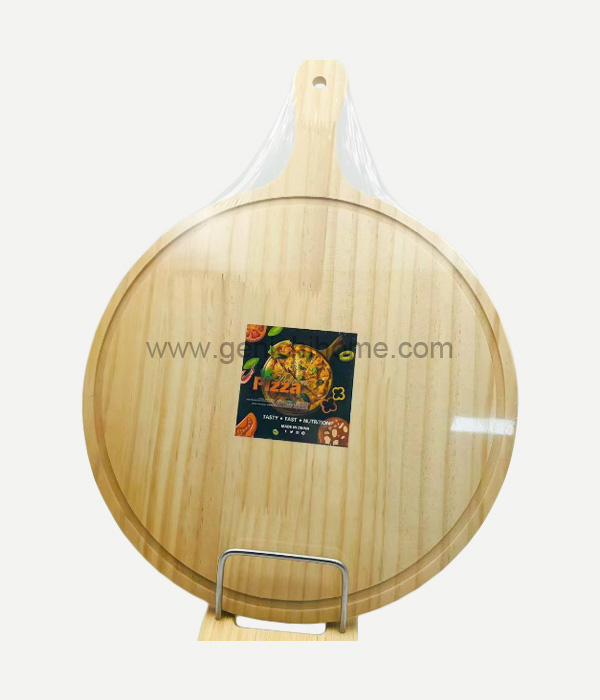
We proudly present circular pizza tray, a classic design that ensures even heat distribution for a ly cooked pizza. The circular shape allows you to e...
See Details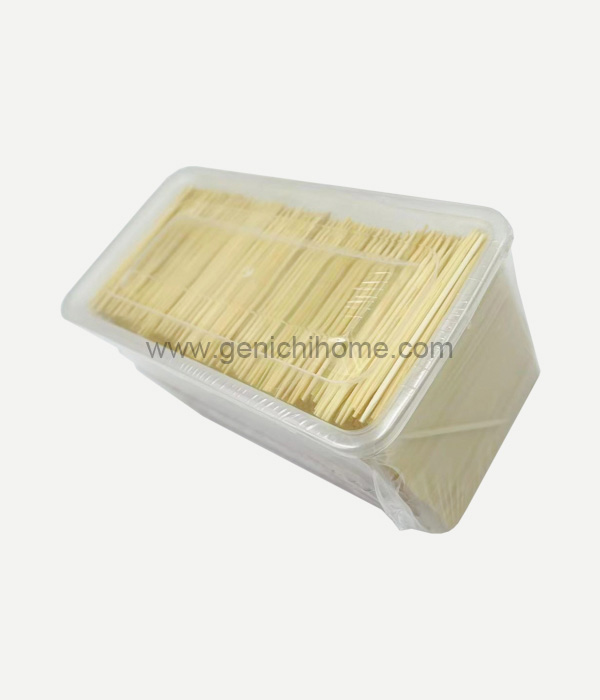
Our bamboo toothpicks come in various packaging cans with different external designs and capacities. The material used is natural bamboo, which is env...
See Details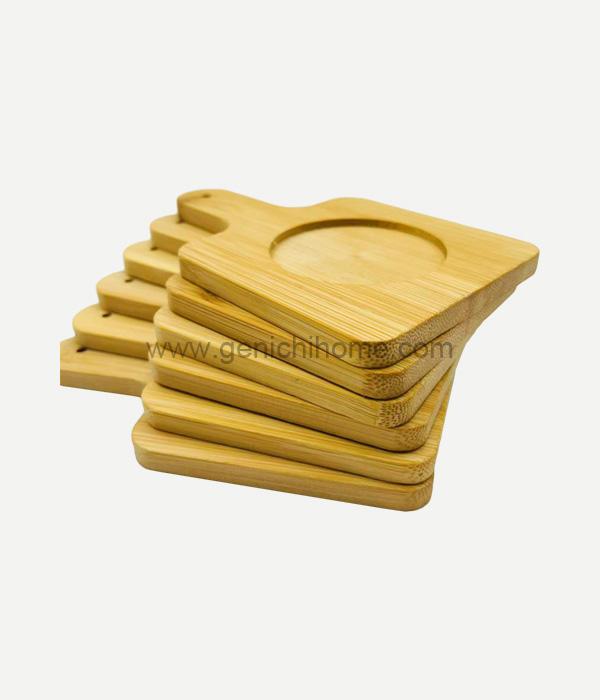
Our bamboo coasters are available in two shapes – round and square, both of which come equipped with a convenient handle. This unique feature allows f...
See Details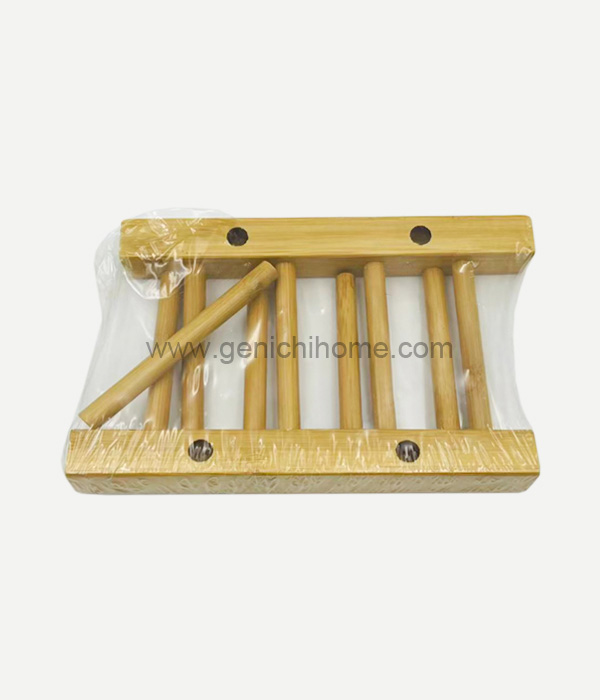
This drain rack has 3 compartments for storage, and the assembly process is very convenient. It is small in size and takes up less space, making it an...
See Details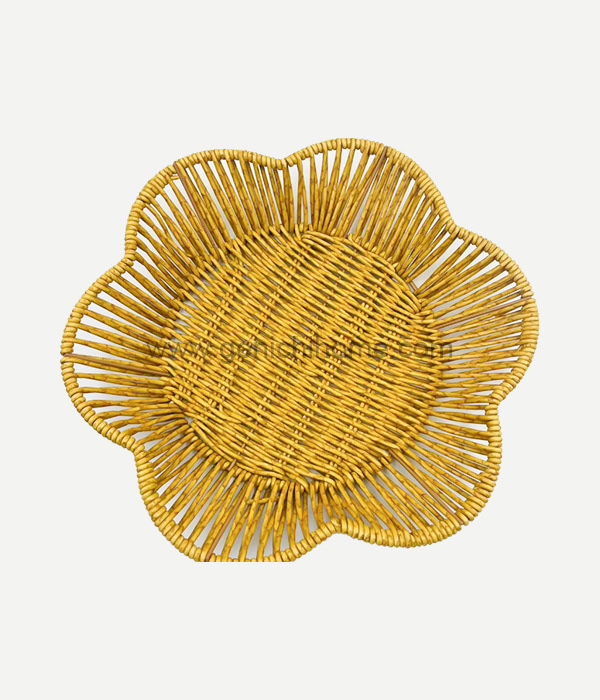
What sets our products apart from others on the market is the fact that they are made from PP material, which is completely safe for direct food conta...
See DetailsContact Us
Address: Room 1805, Communication Service Industrial Park, No. 183, Wenhui Road, Gongshu District, Hangzhou City, Zhejiang Province
E-mail: [email protected]
QUICK LINKS

