
 English
 русский
 عربى
عربى
This stir fry spatula is made of beech wood,In addition to durability, our stir fry spatula also has heat resistance. It can withstand high temperatur...
See DetailsContent
Acacia wood has earned its place in kitchens for practical reasons, not just aesthetic ones. It is one of the densest hardwoods used in tableware manufacturing, with a Janka hardness rating that exceeds cherry, maple, and most other traditional bowl woods. That density translates directly into resistance — to moisture, to staining, and to the repeated impact of utensils and salad servers. For a wooden Caesar salad bowl that sees regular use, those properties are not minor conveniences; they define how long the bowl performs well and how little maintenance it demands.
Acacia also grows rapidly relative to slower-maturing hardwoods, which makes responsibly harvested acacia a genuinely sustainable choice. Our acacia wood salad bowls built from solid single-piece hardwood showcase the material's warm golden-brown tones and distinctive natural grain — no two pieces look the same, which is part of what makes them worth keeping on the table rather than hidden in a cabinet.
Understanding why acacia performs well means looking at how it compares structurally to the alternatives most commonly used for wooden salad bowls.
| Wood Type | Janka Hardness (lbf) | Water Resistance | Grain Density | Best Use Case |
|---|---|---|---|---|
| Acacia | 2,300–2,500 | High (natural oils) | Very tight | Daily use, Caesar salads, humid environments |
| Cherry | 950 | Moderate | Fine | Classic salad bowls, heirloom pieces |
| Walnut | 1,010 | Moderate | Medium | Large serving bowls, entertaining |
| Beech | 1,300 | Moderate-high | Tight | Chopped salad bowls, mezzaluna use |
Acacia's natural oil content is the key differentiator. Where cherry and walnut require more frequent re-oiling to maintain their protective surface layer, acacia's own resins provide a degree of baseline moisture resistance that extends between maintenance cycles. For a bowl used several times a week, that difference adds up.
The market for wooden salad bowls ranges from genuinely excellent to misleadingly packaged. Three criteria separate quality pieces from ones that will disappoint.
Caesar salad cannot be properly assembled in a bowl that is too small. The process of tossing romaine leaves to coat them evenly with dressing — without bruising the leaves or sending them over the rim — requires vertical clearance and enough diameter to work the greens in a folding motion. A bowl that is too snug forces you to work carefully and slowly, which is exactly wrong for a dish that should be dressed and served in under two minutes.
The rule of thumb used by professional kitchens: choose a bowl that looks one size larger than you think you need, and you will be right. A round-bottomed salad bowl for traditional Caesar presentation works particularly well here — the curved interior naturally guides the tossing motion and keeps ingredients centered rather than migrating to a flat edge.
Proper maintenance starts with choosing the right oil — and most kitchens have the wrong ones on hand. Olive oil, vegetable oil, canola oil, and most other cooking fats oxidize over time, turning rancid inside the wood grain and producing off-flavors that no amount of washing will fully remove. Food-grade mineral oil is the correct choice. It does not oxidize, it has no flavor of its own, and it is classified as safe for food contact under established regulatory standards. Beeswax-based conditioners are a useful supplement for building a surface layer once the wood has been well-oiled.
For a new acacia bowl, follow this initial seasoning process:
For ongoing maintenance, re-oil when the wood appears lighter in color or feels dry to the touch — typically once a month with regular use. Pair your bowl care routine with quality tools from our complete range of wooden cooking utensils that can be maintained using the same mineral oil treatment.
Even a quality acacia bowl will show signs of wear if it has been under-oiled or exposed to excessive moisture. Catching these signs early means a quick fix rather than a permanent problem.
None of these issues are fatal to a quality wooden bowl. Acacia in particular responds well to restoration — its density means the damage stays near the surface, and a proper re-seasoning will return even a neglected bowl to a usable condition.
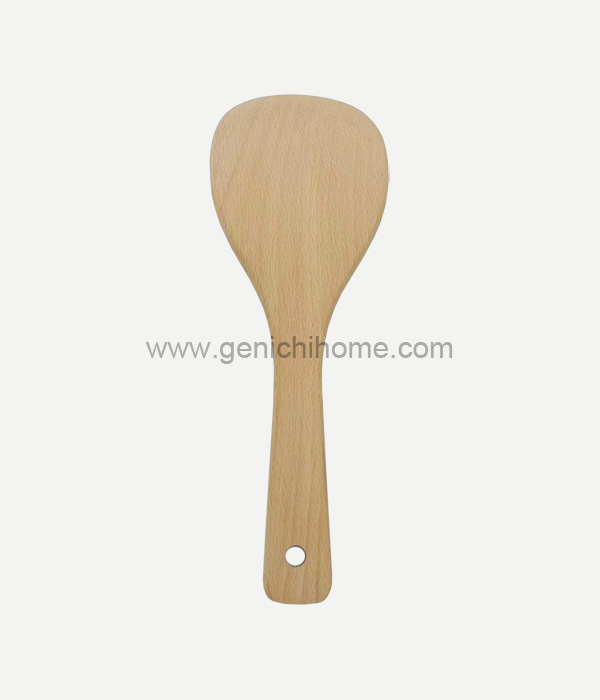
This stir fry spatula is made of beech wood,In addition to durability, our stir fry spatula also has heat resistance. It can withstand high temperatur...
See Details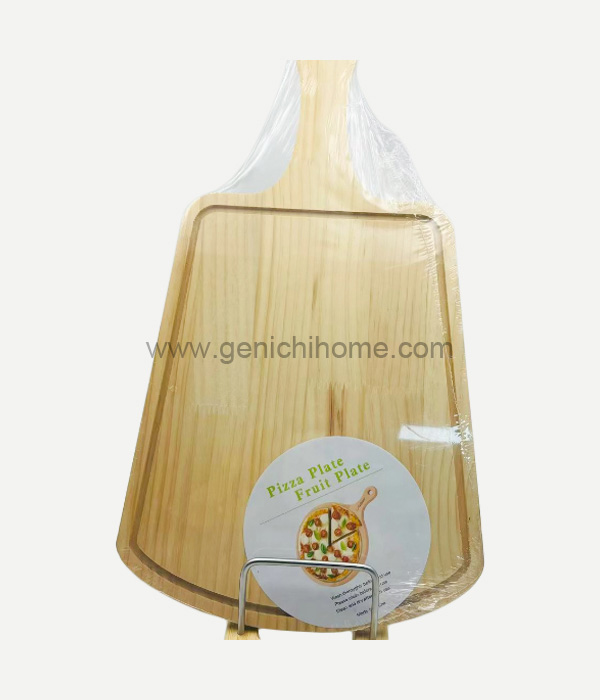
We proudly present rectangular pizza tray, a classic design that ensures even heat distribution for a ly cooked pizza. The circular shape allows you t...
See Details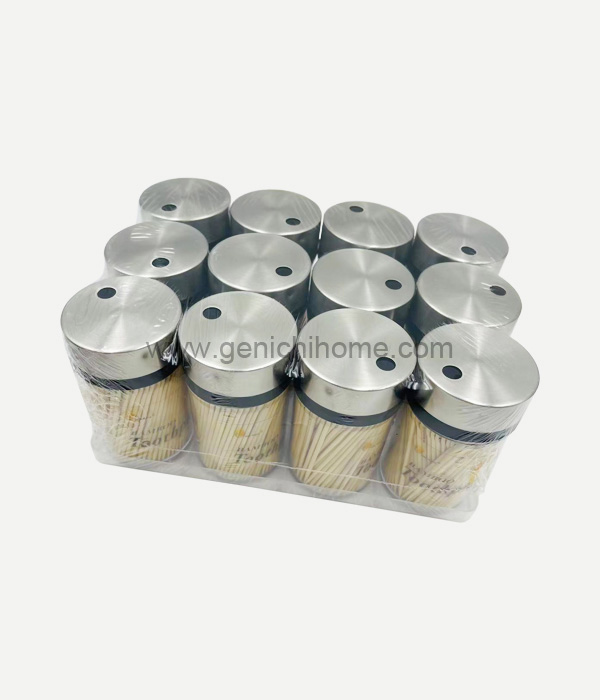
Our bamboo toothpicks come in various packaging cans with different external designs and capacities. The material used is natural bamboo, which is env...
See Details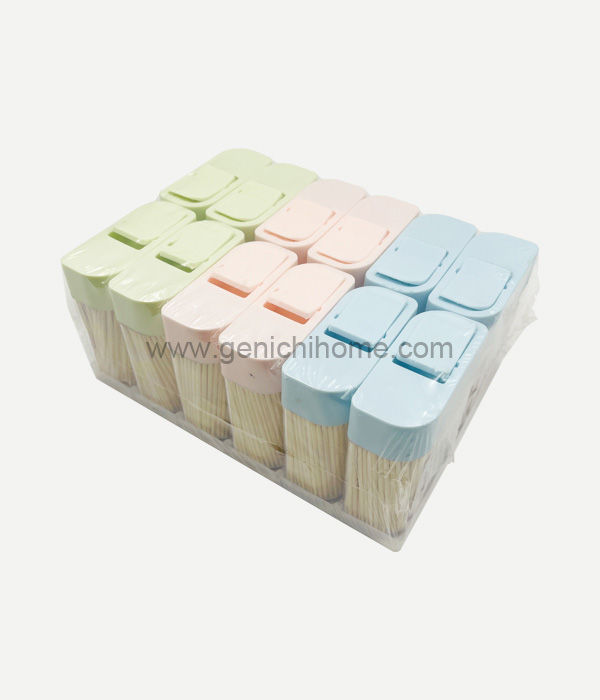
We have incorporated a flip-top design for easy to use. You can effortlessly open and close the toothpick container with a simple flick of your finger...
See Details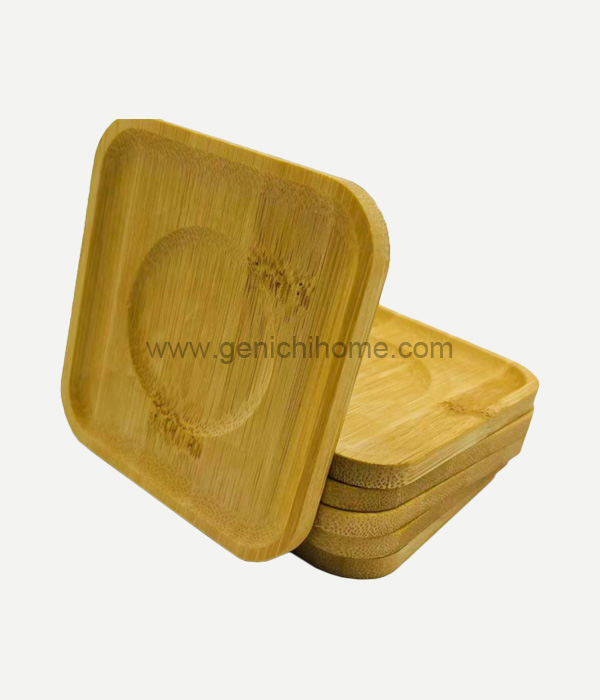
Our bamboo coasters are available in two shapes – round and square, both of which come equipped with a convenient handle. This unique feature allows f...
See DetailsContact Us
Address: Room 1805, Communication Service Industrial Park, No. 183, Wenhui Road, Gongshu District, Hangzhou City, Zhejiang Province
E-mail: [email protected]
QUICK LINKS

