
 English
 русский
 عربى
عربى
In addition to its durability, our wooden rice spoon is also heat-resistant. It can withstand high temperatures without warping or melting, ensuring s...
See DetailsContent
Beechwood spatulas have recently gained significant attention in the kitchenware market due to their combination of durability, aesthetic appeal, and eco-friendliness. As consumers increasingly prioritize sustainable and practical kitchen tools, beechwood has emerged as a preferred material. This article explores the reasons behind their rising popularity, examining material properties, design advantages, and practical applications in modern kitchens.
Beechwood is a hardwood known for its strength and resilience, making it ideal for kitchen utensils that endure frequent use. Unlike softwoods, beechwood resists cracking, splintering, and warping, ensuring a long-lasting kitchen tool.
Beechwood spatulas are highly durable, capable of withstanding heat, moisture, and regular wear. Their dense grain structure ensures that they maintain their shape even after prolonged use. This makes them a reliable choice for both home cooks and professional chefs.
As environmental awareness grows, consumers are increasingly choosing sustainable kitchen tools. Beechwood is often harvested from responsibly managed forests, making it a renewable material. Unlike plastic spatulas, beechwood does not release harmful chemicals into food and is fully biodegradable at the end of its life cycle.
Beyond material quality, the design of beechwood spatulas contributes significantly to their popularity. These spatulas are ergonomically shaped to provide comfort, ease of use, and efficient cooking performance.
Beechwood spatulas often feature handles designed to fit comfortably in the hand. The smooth finish reduces strain during prolonged cooking, while the natural texture provides a secure grip even when hands are wet or oily.
The flexible yet sturdy blade of a beechwood spatula allows for a wide range of cooking tasks. They are suitable for stir-frying, sautéing, flipping, and serving food. Their heat resistance ensures that they can handle high-temperature cooking without damage.
Beechwood spatulas are highly valued in both home and professional kitchens. Their combination of durability, heat resistance, and ergonomic design makes them indispensable for everyday cooking.
The design of beechwood spatulas enhances cooking efficiency. Their flat edges allow for easy scraping of pans, while the gentle curve helps in lifting and turning food without breaking delicate items like fish or eggs.
Unlike metal utensils, beechwood spatulas do not scratch non-stick surfaces, preserving cookware and reducing the risk of harmful coating residues entering food. Additionally, their natural antimicrobial properties help maintain hygiene in the kitchen.
The surge in popularity of beechwood spatulas reflects broader trends in the kitchenware market. Consumers increasingly value sustainability, aesthetic appeal, and practical functionality. Retailers and manufacturers are responding by offering a wider range of beechwood utensils with varying designs, sizes, and finishes.
Manufacturers now provide beechwood spatulas in multiple shapes and sizes to meet diverse culinary needs. Some feature angled edges for precise flipping, while others have wider blades for serving and mixing. Personalized engraving or unique finishes are also gaining traction among consumers looking for customized kitchen tools.
To understand the growing appeal of beechwood, it is helpful to compare it with alternatives like silicone, plastic, and metal spatulas:
| Feature | Beechwood | Plastic | Metal |
| Durability | High | Moderate | High |
| Heat Resistance | High | Low | Very High |
| Eco-Friendliness | High | Low | Moderate |
| Non-Stick Safety | Yes | Yes | No |
Proper care ensures the longevity of beechwood spatulas. Unlike synthetic utensils, beechwood requires gentle cleaning and occasional oiling to maintain its natural texture and prevent cracking.
Handwashing with mild soap and warm water is recommended. Avoid soaking for extended periods, as prolonged water exposure can damage the wood. After washing, air-dry in a well-ventilated area to prevent moisture buildup.
Occasional application of food-grade mineral oil or beeswax maintains the wood's smooth surface and enhances durability. This practice also helps prevent cracking and preserves the natural aesthetic of the spatula.
Beechwood spatulas have become a favored choice in the kitchenware market due to their durability, ergonomic design, eco-friendly characteristics, and versatility. By understanding their material benefits, practical applications, and proper care, consumers can make informed decisions and enjoy a long-lasting, reliable cooking tool. The growing popularity of beechwood spatulas reflects a broader shift toward sustainable, high-quality kitchen products.
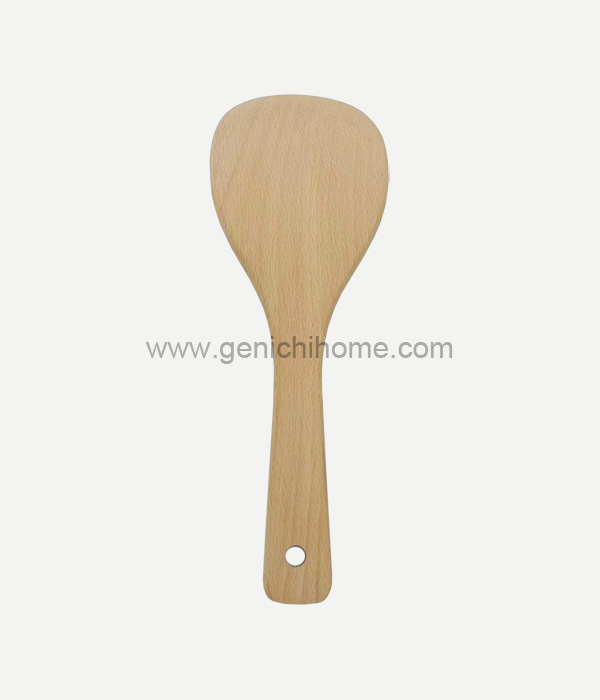
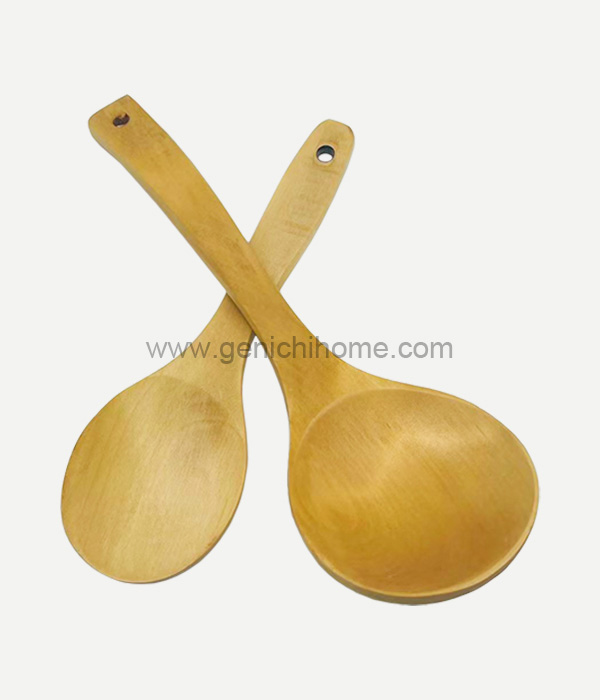
In addition to its durability, our wooden rice spoon is also heat-resistant. It can withstand high temperatures without warping or melting, ensuring s...
See Details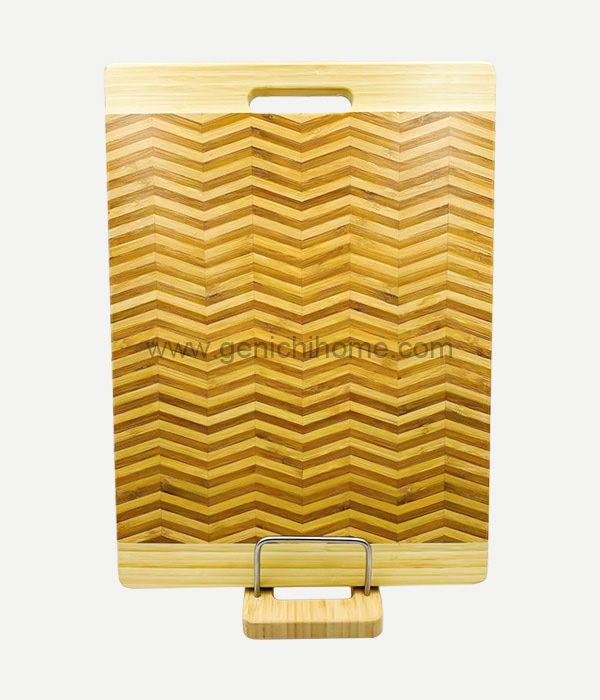
Our bamboo chopping board is not just your regular chopping board. It is made from high-quality bamboo, known for its durability and strength. we can ...
See Details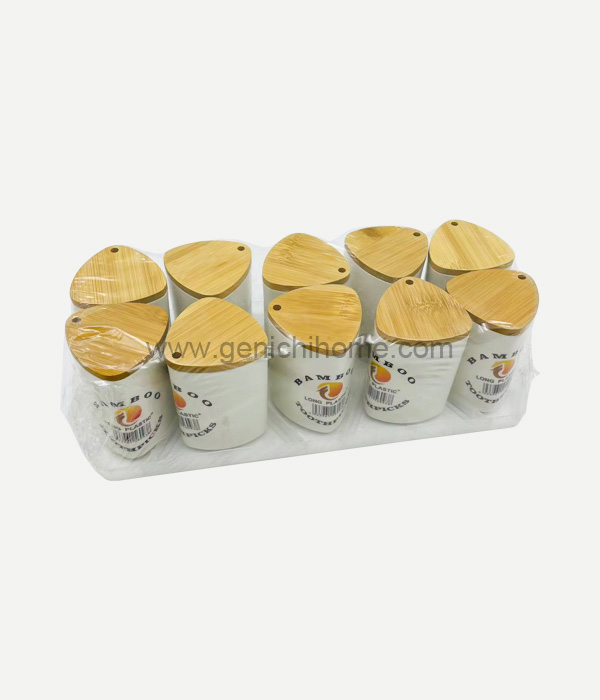
In addition to their practicality, our Bamboo Toothpicks also have a stylish bamboo cap design. This not only enhances their aesthetics but also serve...
See Details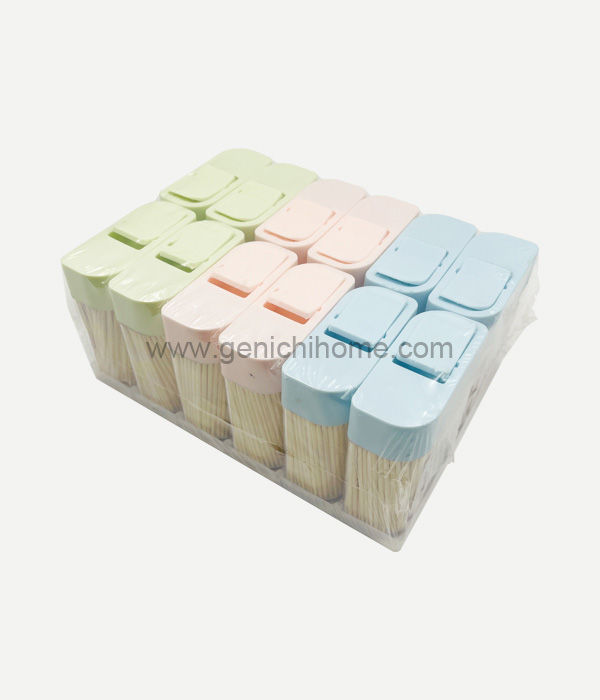
We have incorporated a flip-top design for easy to use. You can effortlessly open and close the toothpick container with a simple flick of your finger...
See Details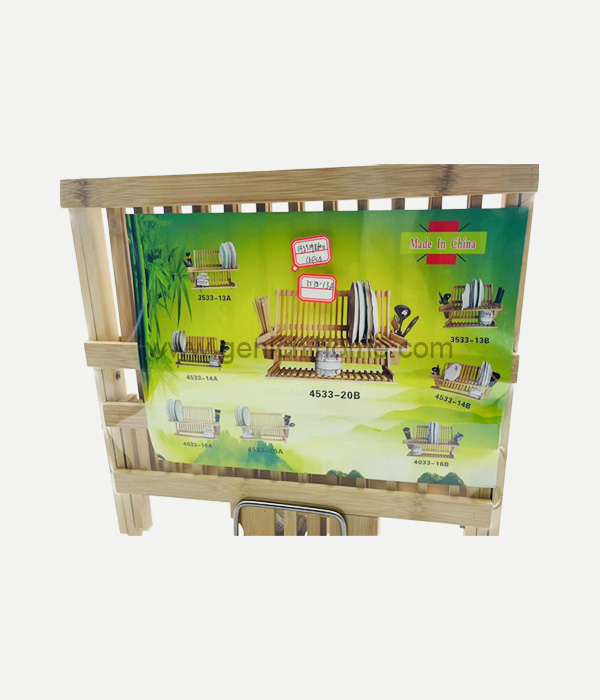
Our Bamboo Cutlery Holder is a practical and eco-friendly solution for organizing and drying your bowls and cutlery,providing ample space to hold your...
See DetailsContact Us
Address: Room 1805, Communication Service Industrial Park, No. 183, Wenhui Road, Gongshu District, Hangzhou City, Zhejiang Province
E-mail: [email protected]
QUICK LINKS

