
 English
 русский
 عربى
عربى
Our wooden rolling pins differ from other products in their ergonomic design. We have carefully designed this product to provide control and comfort. ...
See DetailsContent
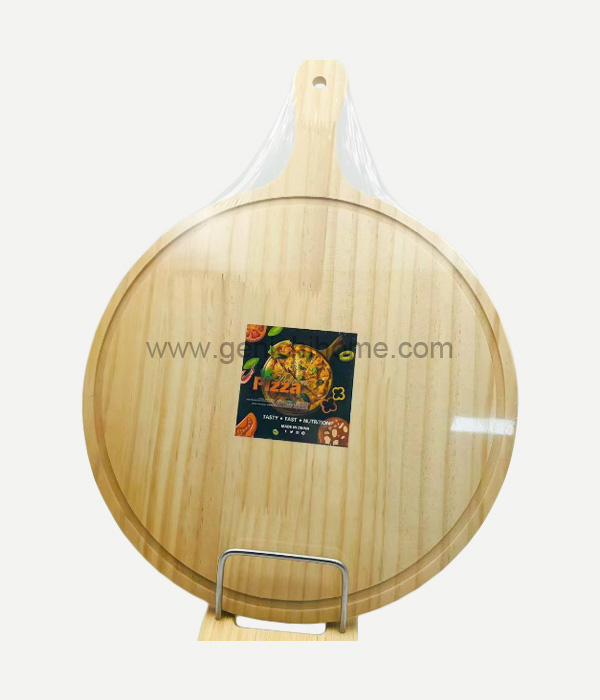
Wooden pizza trays have become increasingly popular in restaurants for their aesthetic appeal and rustic charm. These trays provide a natural, visually appealing presentation that enhances the dining experience. However, for restaurant owners, the key concern is whether wooden pizza trays can withstand the rigors of daily use without warping, cracking, or deteriorating over time.
This article explores the durability of wooden pizza trays, examining the materials, construction methods, maintenance practices, and real-world performance to determine if they are suitable for high-traffic, professional environments.
The durability of wooden pizza trays largely depends on the type of wood used. Hardwoods such as maple, oak, beech, and acacia are commonly preferred due to their strength, resistance to warping, and longevity. These woods offer dense grain structures that can handle repeated exposure to heat, moisture, and daily handling.
Construction techniques also play a significant role. Trays made from solid wood are generally more durable than those made from laminated or composite materials. Solid wood can tolerate higher stress and resists splitting, while laminated layers may separate over time if exposed to moisture or excessive heat.
Many wooden pizza trays are treated with food-safe coatings, oils, or varnishes to enhance durability and protect the surface from moisture and stains. Mineral oil or beeswax coatings penetrate the wood, maintaining its natural appearance while preventing cracks and warping. Properly treated trays can endure frequent washing and exposure to hot pizza without significant damage.
In a restaurant setting, wooden pizza trays are often exposed to high temperatures and moisture. Heat from freshly baked pizzas can cause expansion, while steam and cleaning can introduce moisture, potentially leading to warping or cracking. High-quality hardwoods and appropriate surface treatment can mitigate these risks.
Some trays are designed with beveled edges or thicker bases to allow better heat distribution and reduce stress on the wood. Selecting trays with sufficient thickness and durable hardwood ensures they maintain their shape and functionality over prolonged use.
Regular maintenance is crucial for wooden pizza trays to remain durable in daily restaurant use. Trays should be cleaned promptly after each use, avoiding prolonged exposure to water. Hand washing with mild detergent and drying immediately prevents water absorption and potential swelling.
Periodic re-oiling with food-safe oils such as mineral or walnut oil helps maintain the wood’s moisture barrier, preventing cracks and prolonging lifespan. Restaurants that implement a maintenance schedule can significantly extend the durability and appearance of their wooden trays.
While wooden pizza trays are aesthetically appealing, other materials like metal, ceramic, or plastic offer different durability profiles. Metal trays provide high heat resistance but may lack the rustic charm, while ceramic trays can crack under impact. Plastic trays are lightweight and inexpensive but can warp under heat.
Wooden trays strike a balance between durability, visual appeal, and functionality. With proper material selection and care, they can rival or exceed the lifespan of other commonly used tray materials in restaurant environments.
| Material | Durability | Heat Resistance | Maintenance |
| Hardwood (Maple/Oak/Beech) | High | High | Periodic Oil Treatment |
| Laminated Wood | Medium | Medium | Careful Cleaning Required |
| Plastic | Low-Medium | Low | Minimal |
| Metal | High | High | Minimal |
Daily restaurant use subjects wooden pizza trays to frequent handling, hot pizzas, sauces, and cleaning routines. Properly selected hardwood trays with food-safe coatings can handle this environment effectively, maintaining structural integrity and appearance over months or even years.
Trays with inferior materials or inadequate treatment may show scratches, stains, or minor warping sooner. Therefore, investing in quality trays and following proper maintenance practices is essential for restaurants seeking long-term durability.
Modern wooden pizza trays often incorporate design features to enhance durability and usability. Features include reinforced edges, handles, non-slip bottoms, and thicker boards. These elements help distribute weight evenly, prevent warping, and improve safety during transport and service.
Restaurants that select trays with thoughtful design features benefit from reduced breakage, safer handling, and longer service life, contributing to operational efficiency.
When carefully selected and properly maintained, wooden pizza trays are indeed durable enough for daily restaurant use. Hardwoods with quality surface treatments can resist heat, moisture, and frequent handling while providing an appealing presentation for diners.
Restaurants that invest in high-quality wooden trays, follow consistent maintenance routines, and consider design features like reinforced edges and handles can enjoy long-lasting performance, combining aesthetics, functionality, and operational efficiency in a professional kitchen environment.
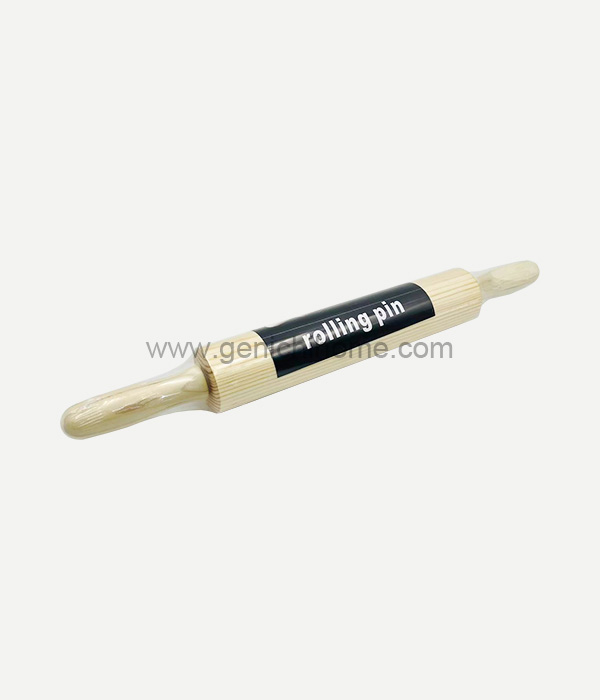
Our wooden rolling pins differ from other products in their ergonomic design. We have carefully designed this product to provide control and comfort. ...
See Details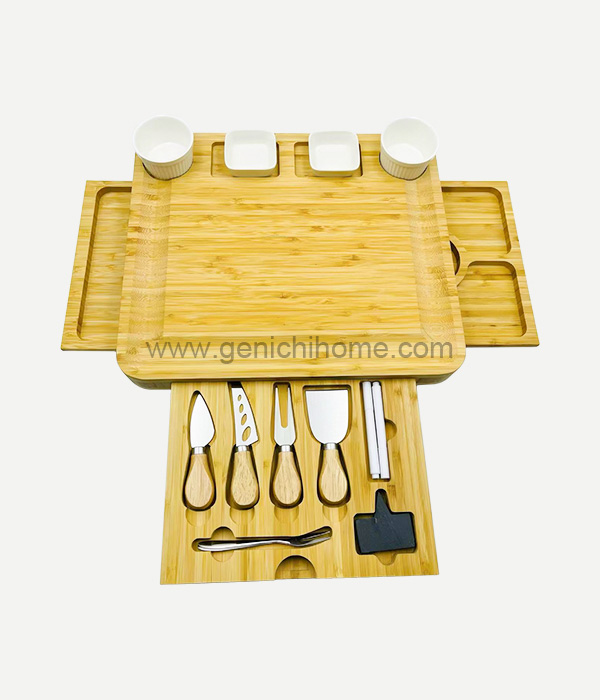
Imagine effortlessly slicing through your favorite cheeses with our stainless steel cheese knives, ly spreading them with our chic wooden cheese sprea...
See Details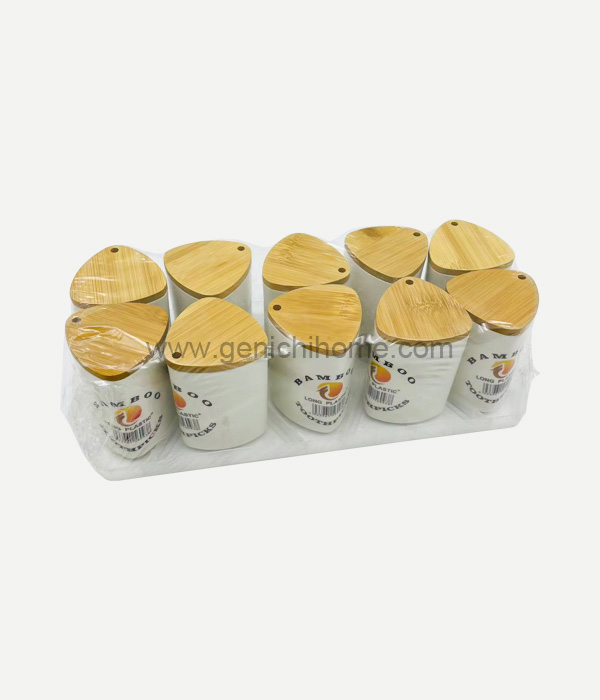
In addition to their practicality, our Bamboo Toothpicks also have a stylish bamboo cap design. This not only enhances their aesthetics but also serve...
See Details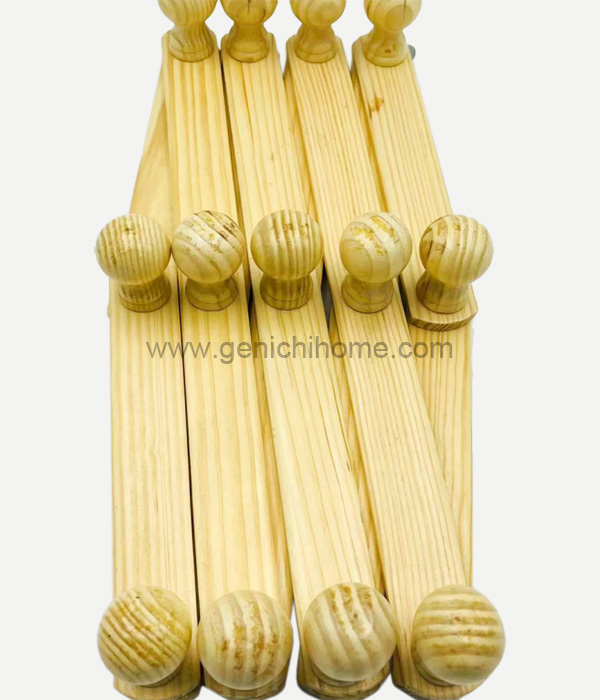
Made from high-quality pine wood, our Wall-mounted Expandable Clothes Rack is not only durable but also eco-friendly. The Carbonized Pine Wood finish ...
See Details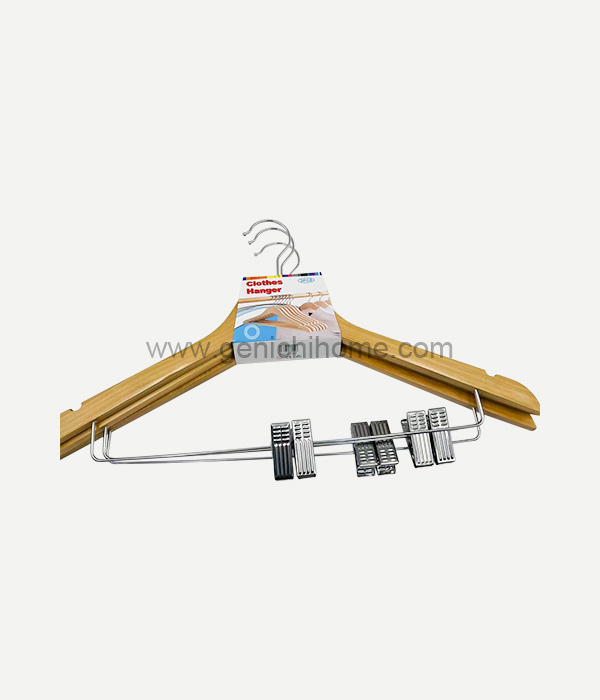
Our wooden clothes hangers are available in two sizes - adult and child. Whether you are looking to organize your own wardrobe or your little one's cl...
See DetailsContact Us
Address: Room 1805, Communication Service Industrial Park, No. 183, Wenhui Road, Gongshu District, Hangzhou City, Zhejiang Province
E-mail: [email protected]
QUICK LINKS

