
 English
 русский
 عربى
عربى
In addition to its durability, our wooden rice spoon is also heat-resistant. It can withstand high temperatures without warping or melting, ensuring s...
See DetailsContent
Modern kitchens are designed for convenience, and dishwashers play a key role in simplifying cleaning tasks. However, not all cooking utensils can safely go into a dishwasher. Materials, coatings, and construction all influence whether a utensil will withstand dishwasher cleaning without damage.
The material of a cooking utensil largely determines its dishwasher compatibility. Certain materials can handle high heat and strong detergents, while others may warp, discolor, or degrade over time.
Stainless steel is highly durable and generally safe for dishwashers. It resists rust, corrosion, and warping, making it ideal for pots, pans, and cooking tools. However, prolonged exposure to harsh dishwasher detergents may dull the finish over time.
Nonstick cookware and utensils with coatings require careful handling. Dishwasher heat and detergents can damage the coating, reducing its effectiveness and lifespan. Hand washing with mild detergent is often recommended to preserve nonstick surfaces.
Wooden spoons, spatulas, and cutting boards are generally unsuitable for dishwashers. High temperatures and water exposure can cause cracking, warping, and bacterial growth. Cleaning wooden utensils with warm water and mild soap is the safest method.
Plastic utensils vary widely in quality. High-quality, heat-resistant plastics can usually withstand dishwasher cycles, while cheaper plastics may melt or deform. Checking the manufacturer’s label is essential before placing plastic utensils in a dishwasher.
Even if utensils are dishwasher-safe, proper loading and detergent selection can extend their lifespan. Incorrect use can result in scratches, warping, or fading.
Place larger utensils in the bottom rack to prevent blocking the spray arms. Avoid overcrowding, as water and detergent may not reach all surfaces. Position handles downward for better cleaning and safety.
Use mild, non-abrasive detergents for delicate utensils. Strong detergents can discolor, dull, or damage sensitive materials. Powder detergents are generally less aggressive than tablets or pods.
High heat can warp plastic, damage nonstick coatings, and dry out wooden utensils. Selecting a lower or eco-friendly heat setting helps preserve the quality of your cooking tools while still cleaning effectively.
Using a dishwasher offers convenience, reduces manual labor, and ensures sanitation. However, not all utensils benefit equally from machine cleaning.
| Material | Dishwasher Safe | Notes |
| Stainless Steel | Yes | Durable, may dull over time |
| Nonstick Coating | Sometimes | Hand washing recommended |
| Wood | No | Prone to cracking, hand wash only |
| Plastic | Depends | Check heat resistance label |
| Silicone | Yes | Generally heat resistant, safe |
Proper care extends the life of cooking utensils, whether machine-washed or hand-washed. Even dishwasher-safe utensils benefit from occasional hand washing and drying to maintain appearance and performance.
After washing, dry utensils thoroughly to prevent rust, water spots, or mold growth, especially for metal and wooden items. Using a soft towel is preferred over air-drying in high-humidity environments.
Check for scratches, chips, or coating damage regularly. Damaged utensils may become less effective and, in some cases, unsafe for cooking. Replace items as needed to ensure continued safety and hygiene.
Not all cooking utensils are suitable for dishwashers. Stainless steel and high-quality silicone or plastic items are generally safe, while wood and nonstick utensils often require hand washing. Understanding material properties, following manufacturer guidelines, and proper loading and detergent choices are essential to maintain quality, safety, and durability in the kitchen.
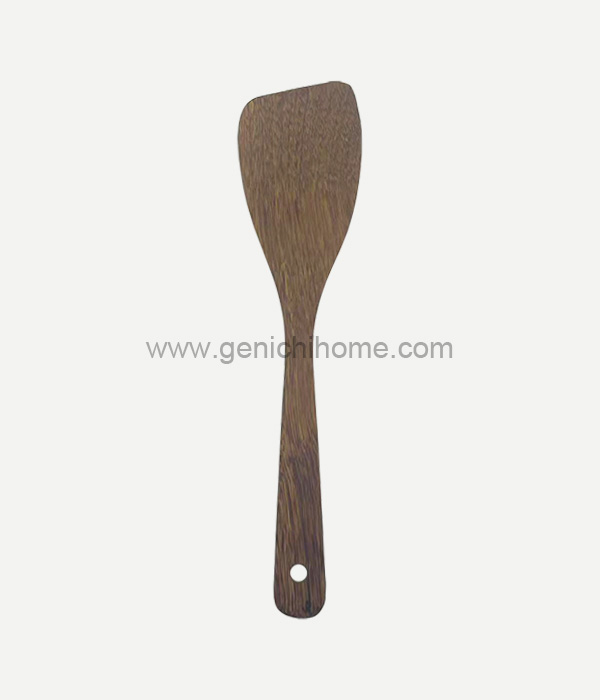
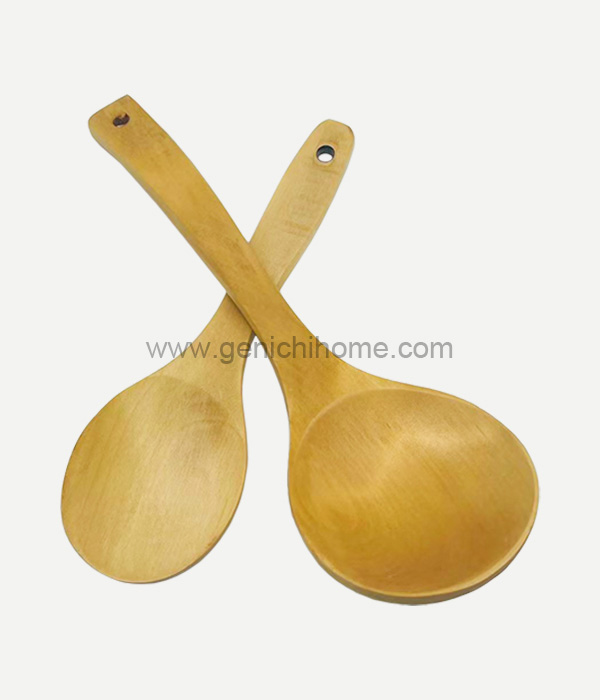
In addition to its durability, our wooden rice spoon is also heat-resistant. It can withstand high temperatures without warping or melting, ensuring s...
See Details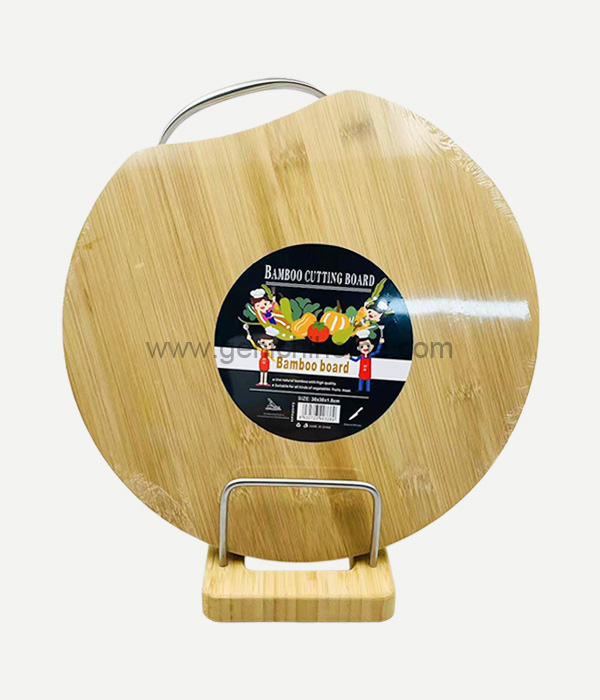
Our bamboo chopping board is not just your regular chopping board. It is made from high-quality bamboo, known for its durability and strength. With a ...
See Details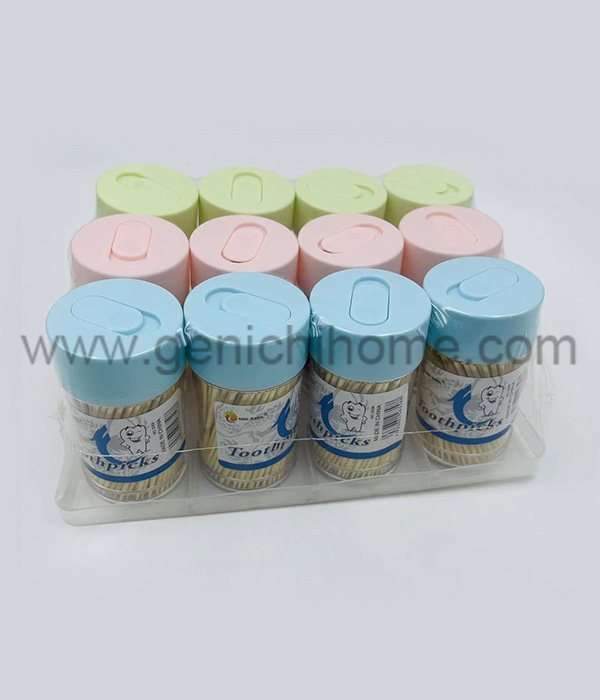
Our bamboo toothpicks come in various packaging cans with different external designs and capacities. The material used is natural bamboo, which is env...
See Details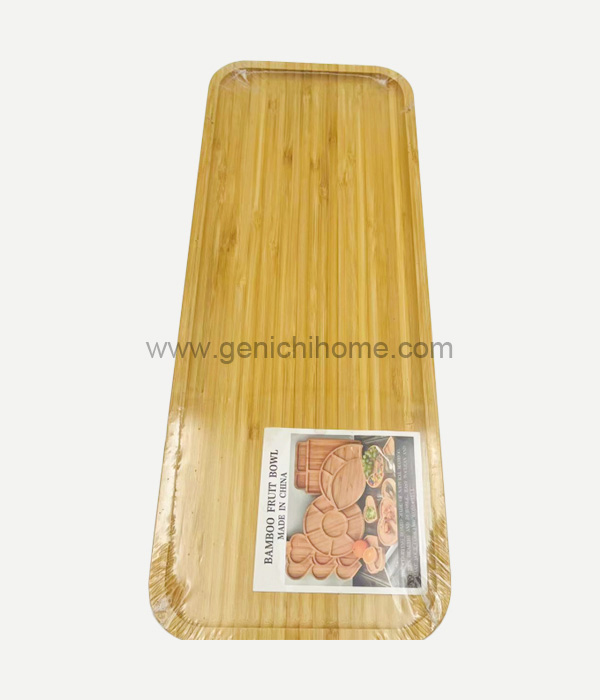
Our nut trays come in various sizes and partition designs to choose from, specifically for visiting snacks, dried fruits, and other items. The materia...
See Details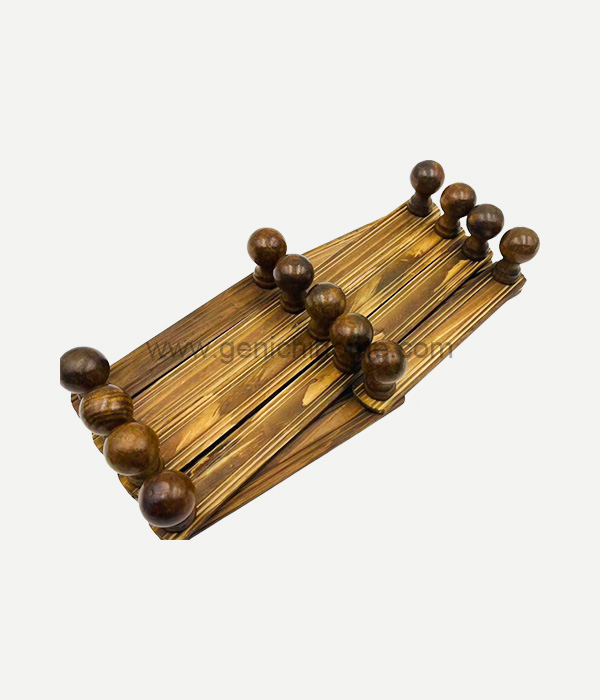
Made from high-quality pine wood, our Wall-mounted Expandable Clothes Rack is not only durable but also eco-friendly. The Carbonized Pine Wood finish ...
See DetailsContact Us
Address: Room 1805, Communication Service Industrial Park, No. 183, Wenhui Road, Gongshu District, Hangzhou City, Zhejiang Province
E-mail: [email protected]
QUICK LINKS

