
 English
 русский
 عربى
عربى
Our cutting board has a moderate thickness, making it easy to operate and effectively utilizing kitchen space. It is not only very suitable for cuttin...
See DetailsBamboo coasters are one of the most practical and eco-friendly additions you can make to any home. They outperform plastic and even many hardwood alternatives in terms of durability, moisture resistance, and sustainability — and they do it at a fraction of the cost. Whether you're outfitting a kitchen, home bar, or office desk, bamboo coasters deliver reliable protection without sacrificing style.
This guide covers everything you need to know: what makes bamboo coasters worth buying, how different types compare, how to care for them, and how to choose the right set for your needs.
Content
Bamboo is technically a grass, not a wood — and that biological distinction matters. It matures in 3 to 5 years, compared to the 20 to 50 years needed for most hardwood trees. This rapid regrowth cycle makes bamboo one of the most renewable materials on the planet, with some species growing up to 91 cm (36 inches) per day.
Beyond sustainability, bamboo has a tensile strength that rivals steel on a pound-for-pound basis. Its natural silica content gives it a waxy surface that resists moisture absorption far better than many softwoods. For a coaster — an object designed to sit under wet glasses repeatedly — this is exactly what you want.
Here's how bamboo stacks up against other common coaster materials:
| Material | Moisture Resistance | Durability | Eco-Friendly | Avg. Lifespan |
|---|---|---|---|---|
| Bamboo | High | High | Excellent | 5–10 years |
| Cork | Medium | Medium | Good | 2–5 years |
| Hardwood | Medium | High | Fair | 5–15 years |
| Silicone | Very High | High | Poor | 5–10 years |
| Plastic | Very High | Medium | Poor | 2–4 years |
Bamboo lands in a strong all-around position: better for the environment than plastic or hardwood, more durable than cork, and comparable in lifespan to silicone without relying on petrochemicals.
Not all bamboo coasters are made the same way. The manufacturing process significantly affects their appearance, feel, and performance.
These are cut directly from bamboo culms or pressed bamboo planks. They're the most durable option and tend to have a clean, minimalist look. Best suited for everyday home use where you want something that lasts without much fuss.
A thin bamboo layer is bonded over a core material (often MDF or cork). These are lighter and cheaper but less resistant to prolonged moisture exposure. Good for light use in dry environments like an office or bedroom.
Popular for personalized gifts and branded merchandise. The engraving doesn't significantly affect durability, but keep in mind that deeply etched designs can trap moisture in the grooves if not sealed properly.
These come in sets of 4–8 coasters with a matching bamboo or metal stand. They're practical for dining tables and coffee tables, keeping coasters organized and accessible. Sets typically range from $12 to $35, making them one of the more cost-effective home accessory options.
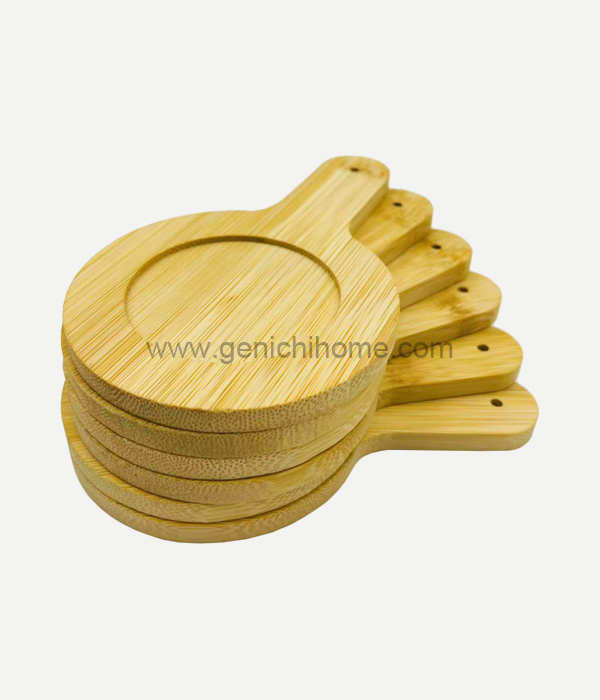
There's a wide range in quality among bamboo coasters, and the price difference between a good set and a disappointing one is often small. Focus on these factors:
Bamboo is low-maintenance, but a little care goes a long way in extending its lifespan. The biggest mistakes people make are soaking bamboo coasters or putting them in the dishwasher — both will cause warping, splitting, and discoloration within weeks.
Wipe with a damp cloth after use. For sticky residue from drinks, a drop of mild dish soap on a damp sponge works fine — just rinse quickly and dry immediately. Never let bamboo coasters sit in water or air-dry while wet on one side only, as this causes uneven moisture absorption and warping.
Every 3–6 months, apply a thin coat of food-grade mineral oil or bamboo-specific conditioning oil. Let it absorb for 20–30 minutes, then wipe off the excess. This restores moisture balance in the bamboo, prevents cracking, and refreshes the surface appearance.
For stubborn stains like red wine or coffee, a paste of baking soda and water applied for 5 minutes before gentle scrubbing usually does the job. For very light surface stains, fine-grit sandpaper (320-grit) can be used to buff the area, followed by re-oiling.
Store coasters upright in a holder or stacked flat in a dry location. Avoid storing them near heat sources like radiators or in direct sunlight for extended periods, as both accelerate drying and cracking.
Bamboo coasters have become a popular choice for personalized gifts, wedding favors, and corporate branded merchandise. The smooth, light surface takes laser engraving exceptionally well, producing crisp text and detailed logos with good contrast against the natural grain.
For weddings, sets of 4 engraved coasters with the couple's name and wedding date typically cost between $15 and $40 depending on the vendor and quantity ordered. For corporate orders of 100+ units, per-unit prices can drop to as low as $2–$5 per coaster with custom engraving included.
A few practical tips if ordering custom bamboo coasters:
Even well-made bamboo coasters can run into issues if not properly cared for. Here's how to handle the most frequent ones:
Bamboo coasters are an excellent choice for most households, offices, and hospitality settings where you want a durable, natural-looking product that's easy to source and relatively simple to maintain. They're particularly well-suited for people who prioritize sustainability without wanting to compromise on performance or aesthetics.
They may not be the best fit if you need something completely waterproof (silicone is better for that), or if you're placing coasters in very humid environments where even sealed bamboo can degrade faster than synthetic alternatives.
For everyday use, though, a quality set of bamboo coasters — properly finished, reasonably thick, and occasionally oiled — will easily last 5 to 10 years, making them one of the most practical and environmentally responsible small home investments you can make.
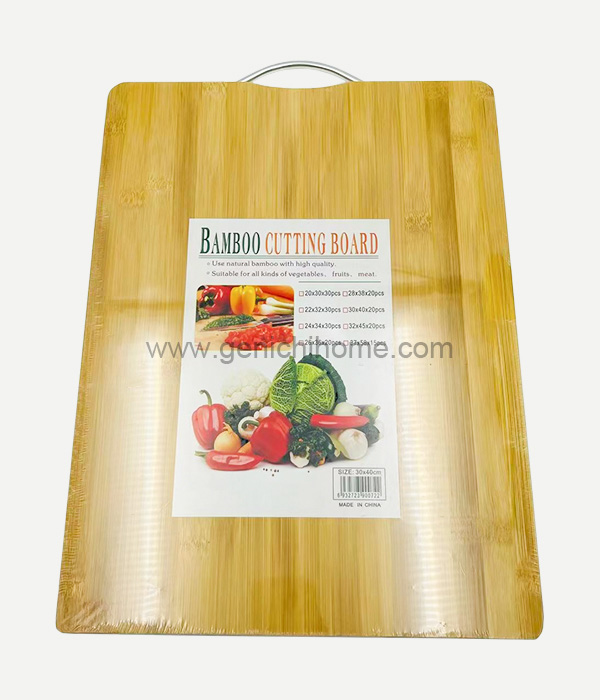
Our cutting board has a moderate thickness, making it easy to operate and effectively utilizing kitchen space. It is not only very suitable for cuttin...
See Details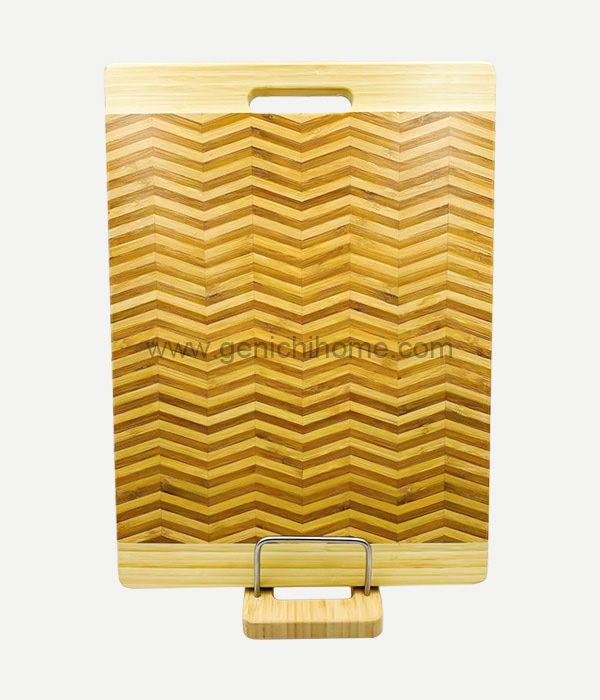
Our bamboo chopping board is not just your regular chopping board. It is made from high-quality bamboo, known for its durability and strength. we can ...
See Details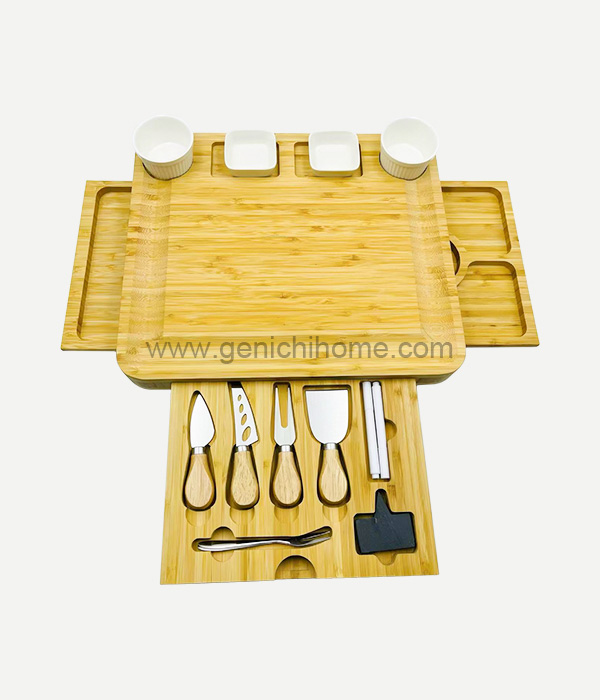
Imagine effortlessly slicing through your favorite cheeses with our stainless steel cheese knives, ly spreading them with our chic wooden cheese sprea...
See Details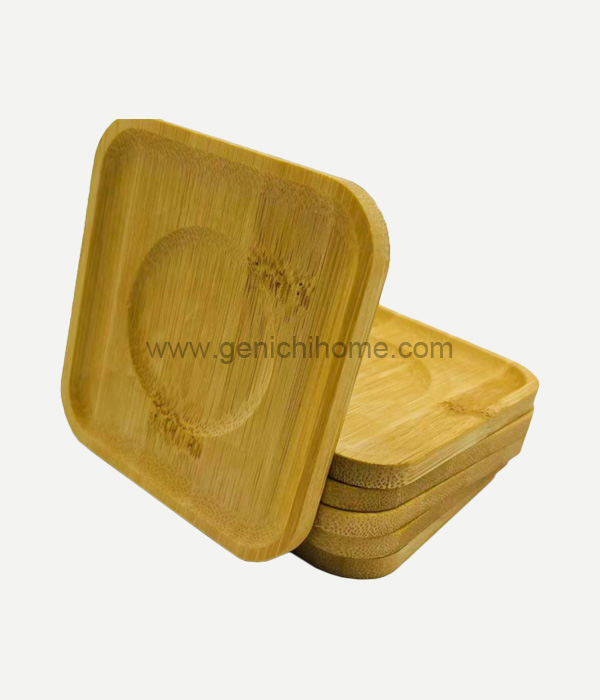
Our bamboo coasters are available in two shapes – round and square, both of which come equipped with a convenient handle. This unique feature allows f...
See Details
The 3-hook hanger is for smaller spaces or areas where space optimization is crucial. It allows you to hang multiple garments and accessories in a com...
See DetailsContact Us
Address: Room 1805, Communication Service Industrial Park, No. 183, Wenhui Road, Gongshu District, Hangzhou City, Zhejiang Province
E-mail: [email protected]
QUICK LINKS

