
 English
 русский
 عربى
عربى
Our cutting board has a moderate thickness, making it easy to operate and effectively utilizing kitchen space. It is not only very suitable for cuttin...
See DetailsContent
A teapot is used to brew and serve tea, while a teacup is the vessel you drink from. Though they are always used together, they serve entirely different functions — and choosing the right combination directly affects flavor, temperature retention, and the overall tea experience. Whether you're building a home tea setup or selecting gifts, understanding how these two items differ helps you make smarter, more satisfying choices.
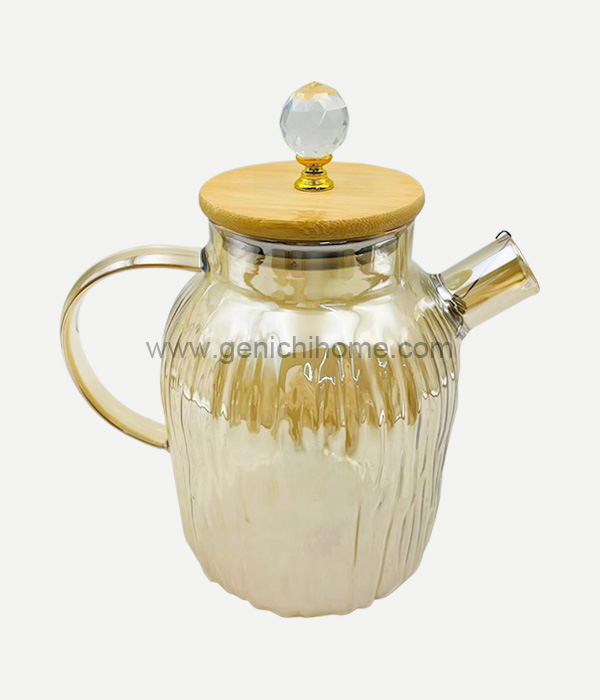
A teapot is a brewing vessel with a spout, handle, and lid. It holds loose-leaf tea or tea bags in hot water long enough for the flavor to develop. Most teapots range from 16 oz (2 cups) to 48 oz (6 cups) in capacity, making them ideal for serving multiple people at once.
Teapots come in a wide range of materials, each affecting how the tea tastes:
A well-made teapot also pours cleanly — no drips — and has a lid that stays secure during pouring. These aren't just aesthetic features; they're functional requirements.
A teacup is a small drinking vessel, typically holding between 6 oz and 8 oz. Unlike a coffee mug, teacups are usually shallower and wider, which helps tea cool to a drinkable temperature faster and allows the drinker to appreciate the aroma.
Traditional teacups are matched with a saucer, which serves practical purposes: catching drips, resting a spoon, and even cooling tea by pouring a small amount into the saucer — a practice common in 18th-century Europe.
Like teapots, teacup materials matter:
Here's a quick reference for the core differences between a teapot and a teacup:
| Feature | Teapot | Teacup |
|---|---|---|
| Primary Function | Brew and serve tea | Drink tea |
| Typical Capacity | 16–48 oz | 6–8 oz |
| Key Components | Spout, handle, lid | Cup body, handle, saucer |
| Common Materials | Cast iron, ceramic, glass, Yixing clay | Bone china, porcelain, glass, ceramic |
| Heat Role | Retains heat for brewing | Allows tea to cool for drinking |
| Serves | Multiple people | One person per cup |
Pairing a teapot and teacup well goes beyond visual matching. The right pairing depends on the type of tea, the occasion, and the number of people being served.
Even experienced tea drinkers make avoidable errors. Here are the most common:
This depends on both the teapot's capacity and the teacup size. A standard teacup holds about 6 oz. Here's a practical reference:
| Teapot Capacity | Servings (6 oz cup) | Best For |
|---|---|---|
| 16 oz | ~2 cups | Solo or pair brewing |
| 24 oz | ~4 cups | Small group or family |
| 32 oz | ~5 cups | Gatherings or afternoon tea |
| 48 oz | ~8 cups | Large parties or office use |
Note that these are approximate figures. Some teapots have narrower necks or are partially filled to avoid overflow during pouring, which may reduce the number of servings by one.
Matching teapot and teacup sets offer visual cohesion and are typically designed with compatible proportions. They're ideal for gifts, formal settings, or collectors. However, mixing and matching has practical and aesthetic advantages:
Matching sets are best for gifting and formal use; mixed pairings offer more flexibility for daily brewing. The most important factor is ensuring the materials and sizes are compatible with the teas you drink most often.
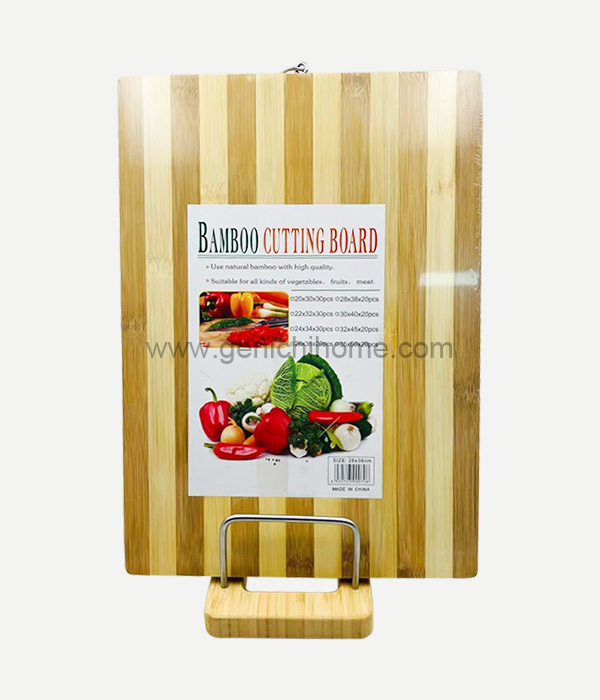
Our cutting board has a moderate thickness, making it easy to operate and effectively utilizing kitchen space. It is not only very suitable for cuttin...
See Details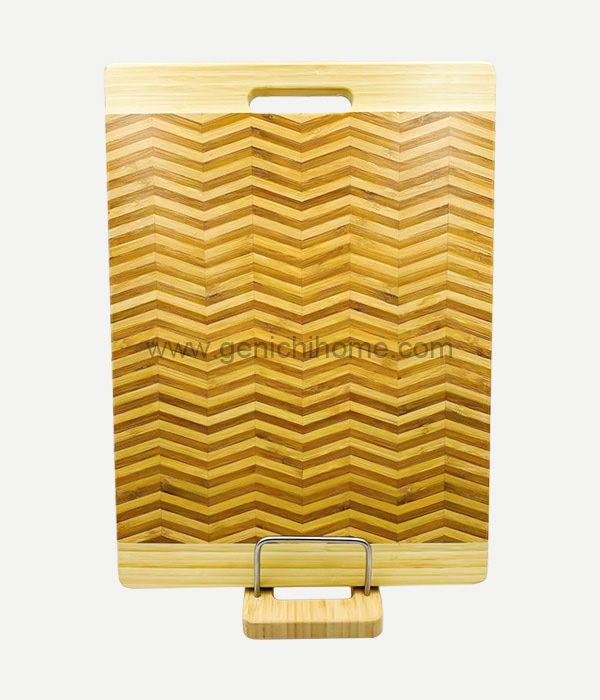
Our bamboo chopping board is not just your regular chopping board. It is made from high-quality bamboo, known for its durability and strength. we can ...
See Details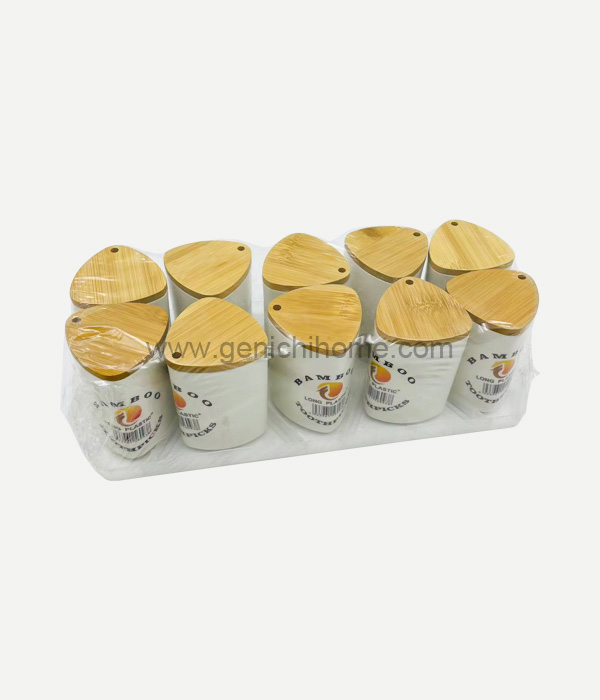
In addition to their practicality, our Bamboo Toothpicks also have a stylish bamboo cap design. This not only enhances their aesthetics but also serve...
See Details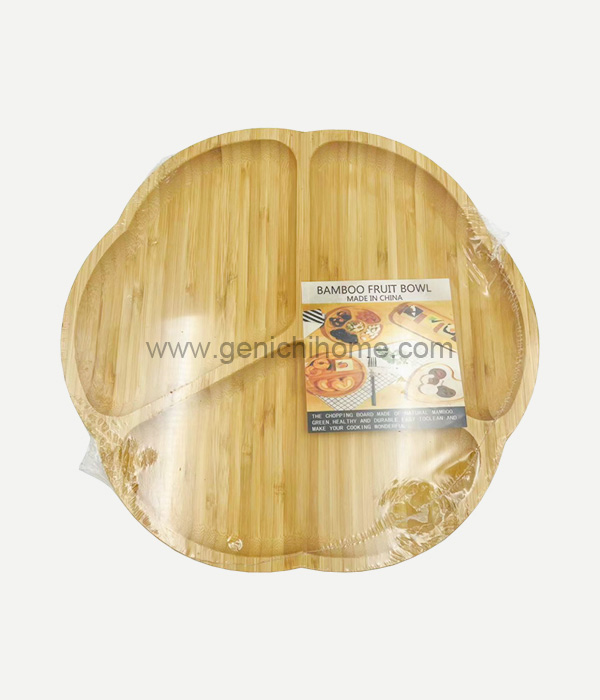
Our nut trays come in various sizes and partition designs for selection, specifically for storing snacks, dried fruits, and other items. The materials...
See Details
The 3-hook hanger is for smaller spaces or areas where space optimization is crucial. It allows you to hang multiple garments and accessories in a com...
See DetailsContact Us
Address: Room 1805, Communication Service Industrial Park, No. 183, Wenhui Road, Gongshu District, Hangzhou City, Zhejiang Province
E-mail: [email protected]
QUICK LINKS

