
 English
 русский
 عربى
عربى
In addition to their practicality, our Bamboo Toothpicks also have a stylish bamboo cap design. This not only enhances their aesthetics but also serve...
See DetailsContent
A bamboo clip is a fastening or gripping device made from natural bamboo — a fast-growing grass that has emerged as one of the most sustainable raw materials in modern manufacturing. Unlike plastic or metal clips, bamboo clips leverage the inherent tensile strength, lightweight nature, and biodegradability of bamboo to deliver a product that performs reliably while leaving a significantly smaller environmental footprint.
Global demand for eco-friendly alternatives to single-use plastic has accelerated considerably. According to industry reports, the sustainable packaging and accessories market is projected to exceed $400 billion by 2027, with bamboo-based products capturing a growing share across household, food, fashion, and stationery sectors. Bamboo clips sit squarely at the intersection of this demand, offering a practical, low-cost solution that appeals to both environmentally conscious consumers and cost-driven businesses.
Understanding what makes bamboo clips effective requires a closer look at bamboo as a material. Mature bamboo culms achieve a tensile strength comparable to steel on a per-weight basis — approximately 28,000 psi — while remaining far lighter and more flexible than metal alternatives. This makes bamboo an ideal candidate for clip applications that require repeated opening and closing without fatigue failure.
The material also demonstrates natural resistance to moisture when properly treated, reducing the risk of warping or cracking that can affect untreated wood. High-quality bamboo clips typically undergo kiln drying and surface finishing processes to extend product lifespan, making them suitable for kitchen, bathroom, and outdoor environments.
Additional properties that distinguish bamboo clips include:
Bamboo clips have found practical application across a wider range of sectors than many buyers initially expect. Their versatility stems from the ability to vary clip geometry, spring tension, and surface finish during manufacturing — all while maintaining the same core bamboo substrate.
| Industry | Typical Use Case | Key Requirement |
|---|---|---|
| Food & Kitchen | Sealing snack bags, herb bundles, spice packets | Moisture resistance, food-safe finish |
| Stationery & Office | Document clips, memo holders, desk organizers | Clamping force, smooth jaw surface |
| Fashion & Textile | Laundry pegs, garment tags, display hangers | Spring durability, UV stability |
| Retail & Packaging | Branded gift packaging, reusable bag seals | Custom engraving or printing capability |
| Horticulture | Plant training clips, seed packet seals | Outdoor durability, non-toxic material |
Within the food sector specifically, bamboo clips have become a preferred substitute for plastic bag clips. Surveys of zero-waste households in North America and Western Europe consistently rank bamboo kitchen clips among the top five bamboo swaps made by consumers transitioning away from single-use plastics.
Not all bamboo clips are manufactured to the same standard. Buyers sourcing for retail distribution, OEM partnerships, or corporate gifting programs should evaluate suppliers against several key criteria before committing to volume orders.
Moso bamboo (Phyllostachys edulis) is the most widely used species for manufactured bamboo products due to its large culm diameter, high fiber density, and rapid growth rate. Clips made from Moso bamboo harvested at four to six years of maturity deliver the optimal balance of flexibility and hardness. Suppliers should be able to document the species and harvest region.
Food-contact bamboo clips should carry certification under recognized food-safety standards — FSC certification confirms responsible forest management, while LFGB or FDA compliance verifies that surface treatments, adhesives, and finishes are safe for incidental food contact. Buyers should request test reports rather than relying solely on printed claims.
The metallic spring element embedded in most bamboo clips deserves as much scrutiny as the bamboo itself. Stainless steel springs (304 or 316 grade) outperform galvanized or uncoated steel in humid environments, extending functional lifespan by a factor of three or more in comparative testing. Confirm the spring alloy and gauge before finalizing specifications.
For branded applications, verify that the manufacturer supports laser engraving, hot stamping, or pad printing directly on the bamboo surface. Minimum order quantities for customized bamboo clips typically start at 500 to 1,000 units per SKU, though specialist suppliers increasingly accommodate lower volumes for premium retail channels.
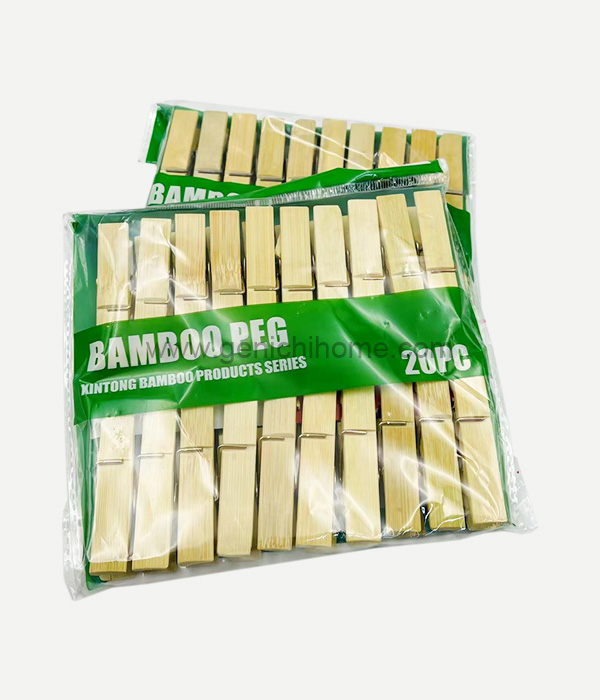
Switching from plastic to bamboo clips has measurable environmental impact at scale. A lifecycle analysis comparing standard polypropylene binder clips with equivalent bamboo clips found that the bamboo version generates approximately 60% fewer greenhouse gas emissions across the full product lifecycle — from raw material extraction through end-of-life disposal.
For organizations with published sustainability commitments, procuring bamboo clips contributes to Scope 3 emission reductions under the GHG Protocol framework, supporting progress toward science-based targets. Retailers selling bamboo clips as part of an eco-range also benefit from growing consumer willingness to pay a modest premium for demonstrably sustainable alternatives: studies show a price premium tolerance of 9–11% among environmentally motivated buyers in the household accessories category.
As regulatory pressure on single-use plastics intensifies across the EU, UK, and increasingly in Asia-Pacific markets, bamboo clips represent a proactive, commercially sound hedge against future compliance costs — not just a marketing statement.
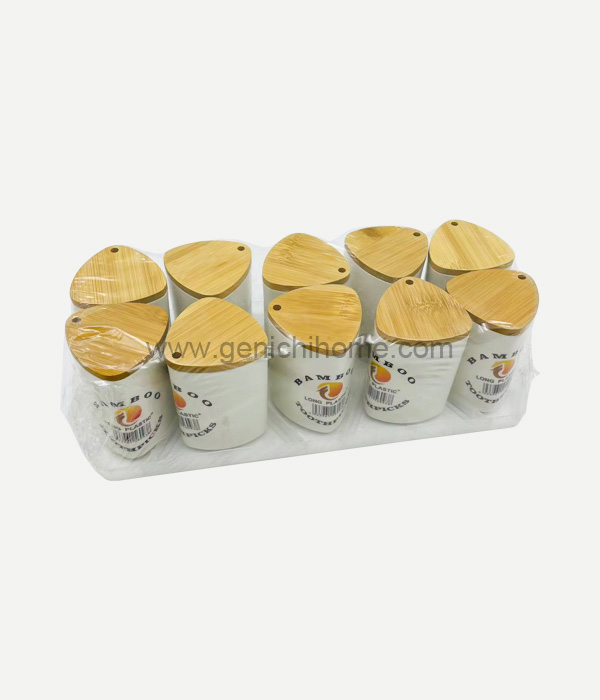
In addition to their practicality, our Bamboo Toothpicks also have a stylish bamboo cap design. This not only enhances their aesthetics but also serve...
See Details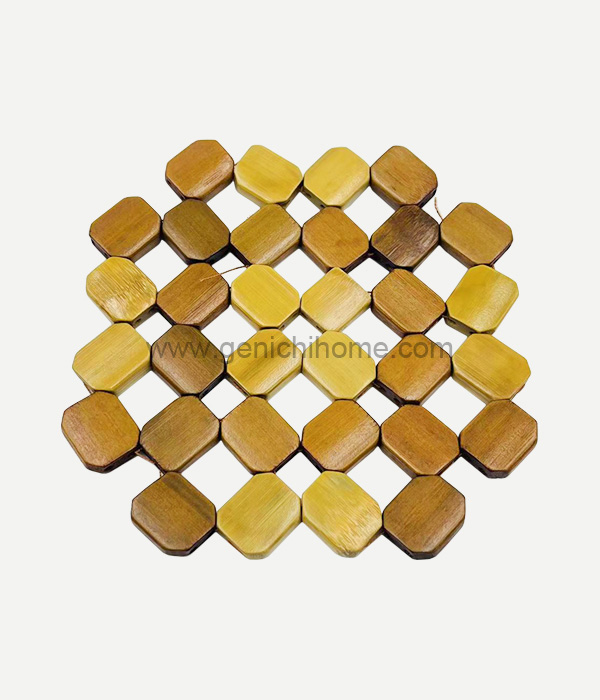
Our bamboo insulation mats come in two exquisite designs: grid pattern and petal pattern. The grid pattern offers a modern and minimalist touch, makin...
See Details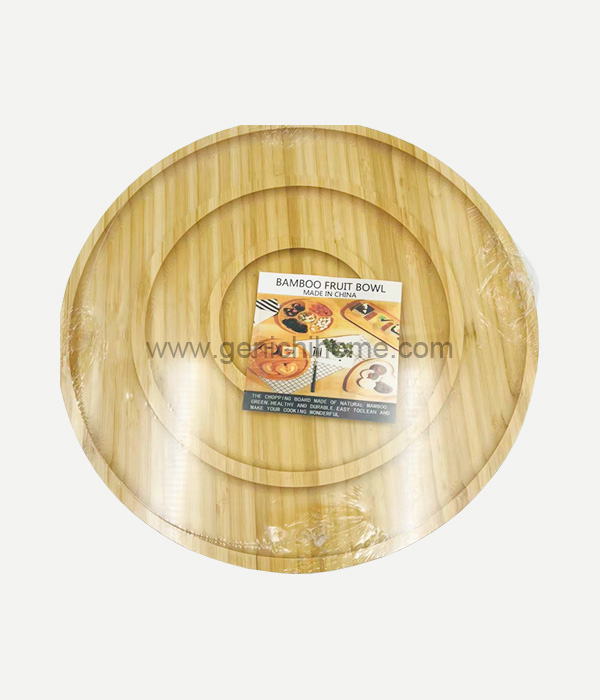
Our nut trays come in various sizes and partition designs for selection, specifically for storing snacks, dried fruits, and other items. The materials...
See Details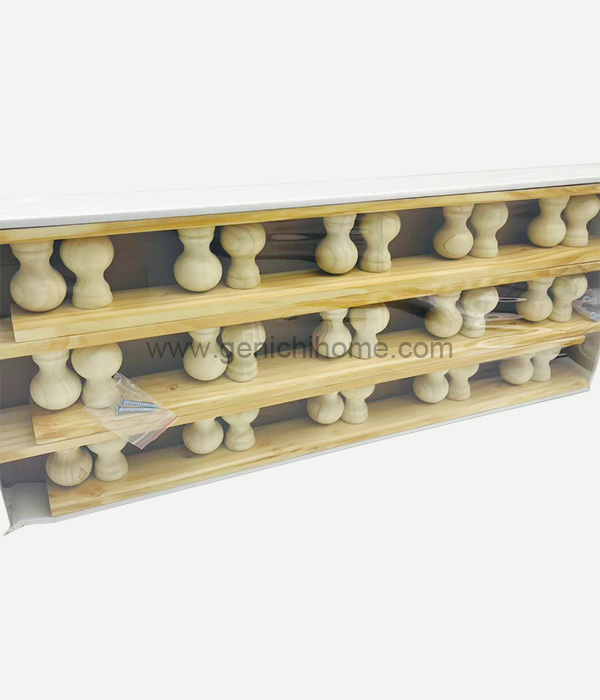
The 5-hook hanger is ideal for those seeking extra storage capacity. With five sturdy hooks, you'll have plenty of space for all your clothing and hat...
See Details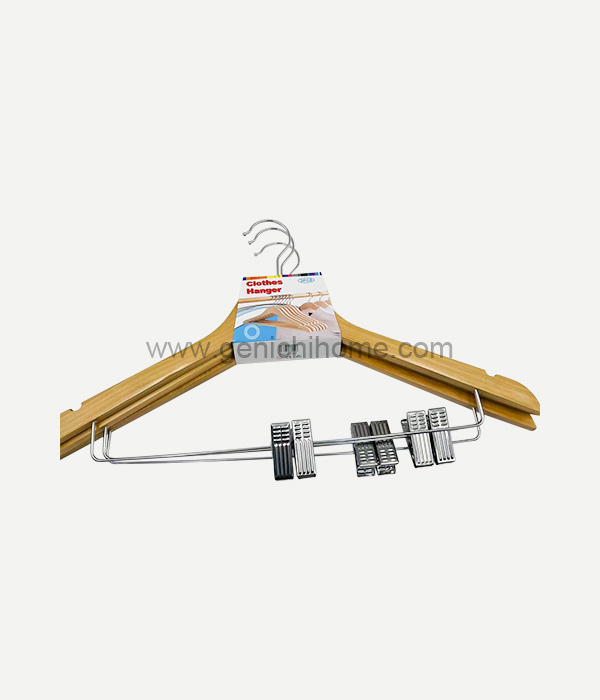
Our wooden clothes hangers are available in two sizes - adult and child. Whether you are looking to organize your own wardrobe or your little one's cl...
See DetailsContact Us
Address: Room 1805, Communication Service Industrial Park, No. 183, Wenhui Road, Gongshu District, Hangzhou City, Zhejiang Province
E-mail: [email protected]
QUICK LINKS

