
 English
 русский
 عربى
عربى
Our bamboo toothpicks come in various packaging cans with different external designs and capacities. The material used is natural bamboo, which is env...
See DetailsContent
Caesar salad was born in a wooden bowl. The year was 1924, and Caesar Cardini — an Italian immigrant running a restaurant in Tijuana, Mexico — improvised a salad at tableside from whatever was left in the kitchen. He worked in a large wooden bowl, grinding the garlic and anchovies against the grain of the wood, building a dressing from scratch in front of his guests. The dish became a sensation, drawing Hollywood regulars and food lovers across the border. When Julia Child recounted watching Cardini prepare it at her table as a child, she described the wooden bowl as central to the whole performance — not just a vessel, but an ingredient.
That detail has never changed. A wooden Caesar salad bowl is still where the dish begins. Before the romaine, before the croutons, before the parmesan — the bowl sets the foundation for everything that follows.
Glass, ceramic, and stainless steel bowls have one thing in common: a smooth, inert surface that offers no grip. For a Caesar salad, that is a problem. The dressing starts with garlic, anchovy, and salt ground into a paste — and that grinding requires friction. A wooden bowl acts like a mortar and pestle, its slightly porous surface catching the ingredients and breaking them down far more effectively than any smooth alternative.
The second advantage is absorption. A well-seasoned wooden bowl retains trace oils and aromatics from every previous use. Over time, the bowl itself becomes flavored — subtly, naturally — adding depth to the dressing without any conscious effort from the cook. No other material does this. Stainless steel wipes clean; wood remembers.
The third reason is temperature. Wood is a natural insulator, keeping the salad cool for longer at the table without conducting the heat of a warm room the way metal does. For a salad meant to be served and eaten immediately, that matters more than it might seem.
Not all wood behaves the same in a kitchen environment. Hardness, grain density, and natural oil content all affect how a bowl performs over time. Here are the most common options and what each brings to the table.
Whatever species you choose, always verify that the bowl is made from a single solid piece — not laminated or glued sections, which can split when exposed to moisture and oils over time.
A Caesar salad demands room. Tossing romaine leaves with dressing requires a bowl that is wide enough to lift and fold the greens without them spilling over the edge. The general rule: go bigger than you think you need.
Bowl shape matters too. A flat-bottomed wooden salad bowl ideal for stable tossing sits securely on the table during prep — particularly useful when grinding the dressing paste. For a more traditional tableside presentation, a round-bottomed wooden salad bowl for classic tableside service cradles the ingredients naturally and is easier to toss with a rocking motion.
A new wooden bowl needs to be seasoned before its first use — this closes the grain, prevents the wood from absorbing food odors, and begins the process of building up the bowl's natural protection. The key material is food-grade mineral oil, which does not go rancid the way olive or vegetable oil does. The FDA classifies mineral oil used in food contact applications under its Generally Recognized as Safe (GRAS) framework, making it the standard choice for wooden kitchenware conditioning.
Pairing your bowl with the right tools completes the experience. Explore our full collection of wooden cooking utensils — from salad servers to spatulas — designed to work in harmony with natural wood bowls.
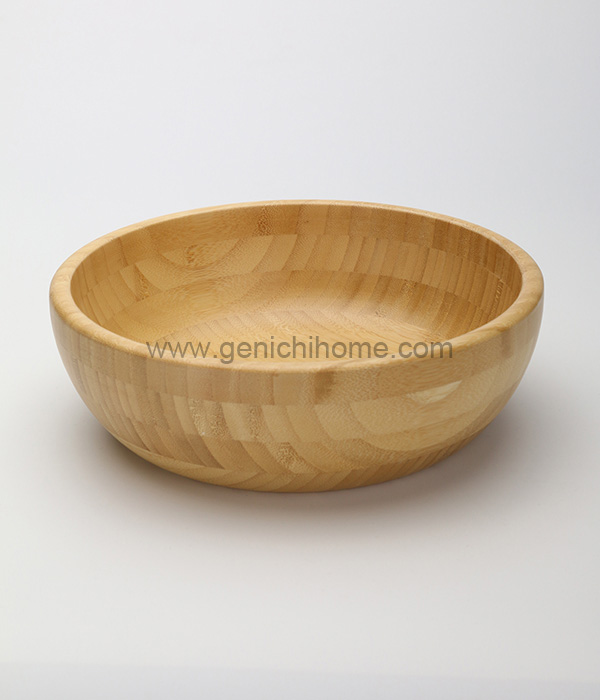
A well-maintained wooden bowl will outlast most other kitchen items. The rules are straightforward, but they matter.
Used regularly and cared for correctly, a wooden Caesar salad bowl only gets better with age — the grain deepens, the seasoning builds, and every salad it holds is a little better than the last.
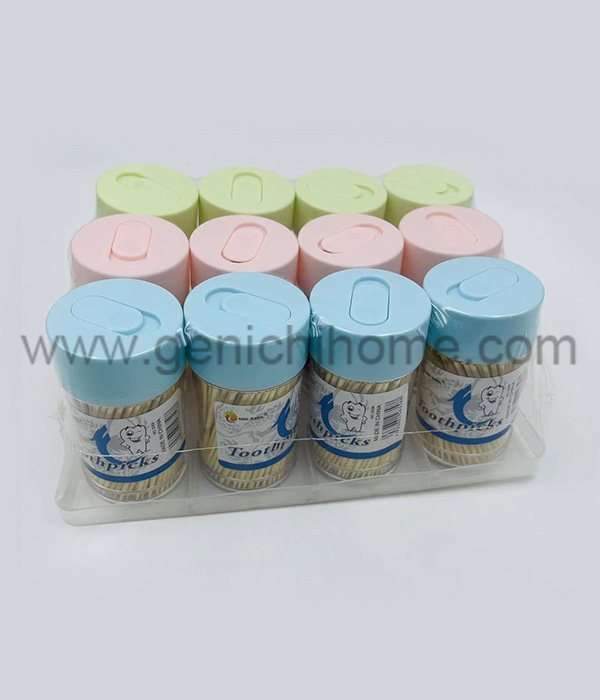
Our bamboo toothpicks come in various packaging cans with different external designs and capacities. The material used is natural bamboo, which is env...
See Details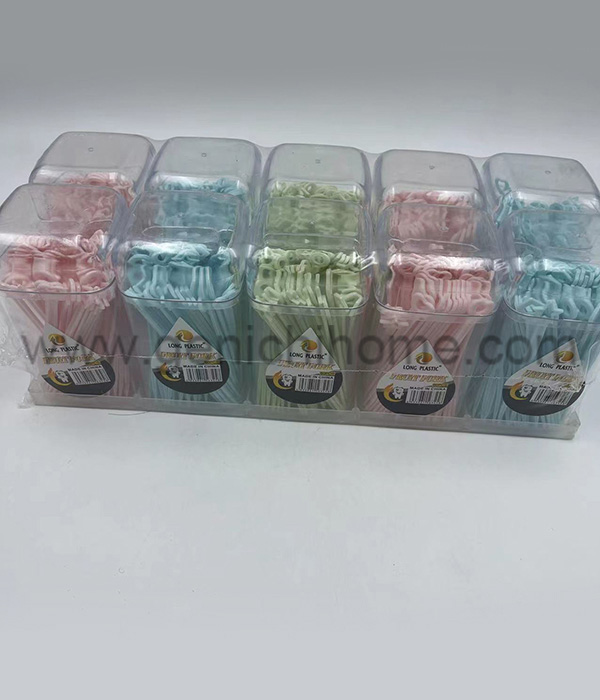
Our plastic fruit forks are not only practical and durable, but also offer an opportunity to showcase your unique logo and brand identity. With our cu...
See Details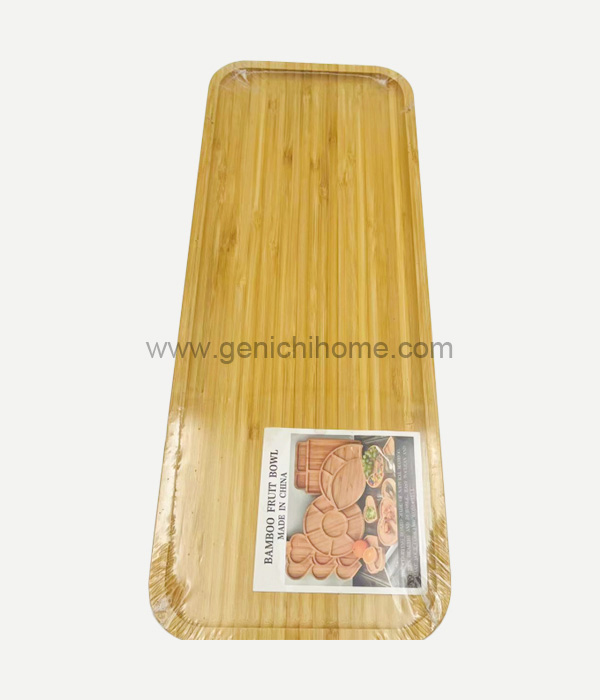
Our nut trays come in various sizes and partition designs to choose from, specifically for visiting snacks, dried fruits, and other items. The materia...
See Details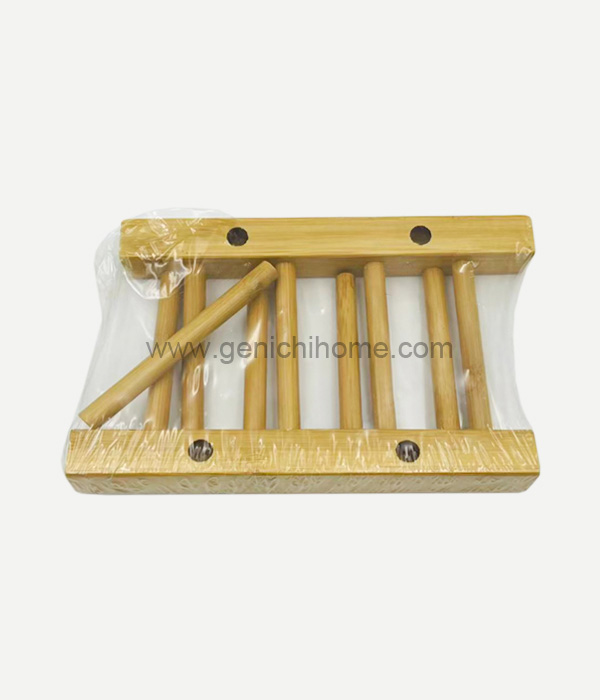
This drain rack has 3 compartments for storage, and the assembly process is very convenient. It is small in size and takes up less space, making it an...
See Details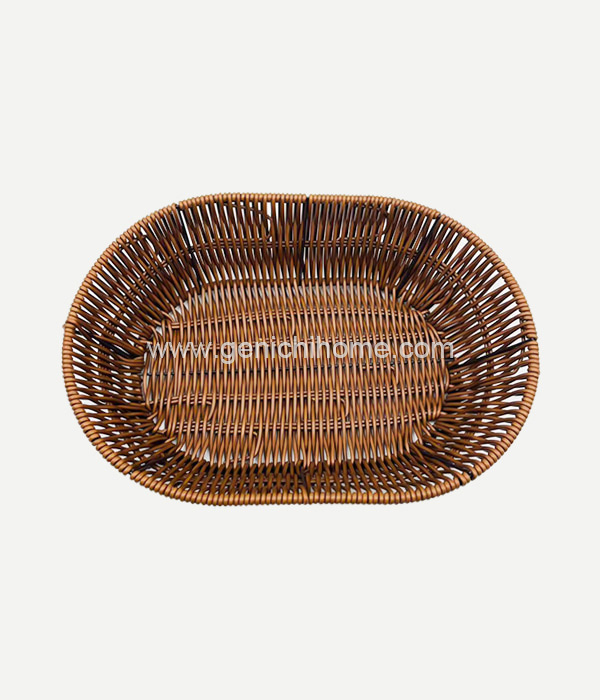
Rattan weaving products are our main recommended series. This product is woven with sturdy and beautiful shapes. Whether it's storage baskets or fruit...
See DetailsContact Us
Address: Room 1805, Communication Service Industrial Park, No. 183, Wenhui Road, Gongshu District, Hangzhou City, Zhejiang Province
E-mail: [email protected]
QUICK LINKS

