
 English
 русский
 عربى
عربى
This stir fry spatula is made of beech wood,In addition to durability, our stir fry spatula also has heat resistance. It can withstand high temperatur...
See DetailsContent
Something is shifting in how home cooks think about their wooden kitchen tools. After years of being treated with excessive caution — stored away, rarely used, occasionally guilt-washed under a cold tap — wooden salad bowls are being reassessed for exactly what they are: durable, naturally resilient kitchen tools that reward straightforward, consistent care rather than anxious avoidance.
The reassessment has a scientific basis. Research reviewed by the U.S. Department of Agriculture found that hardwood surfaces like maple, walnut, and cherry possess natural antimicrobial properties, with bacteria drawn into the wood grain structure dying off over time. The USDA's own food safety guidelines on wooden kitchen surfaces confirm that solid wood is a fully acceptable material for food contact — a point that is still surprising to many consumers raised on the assumption that plastic was always the safer choice.
What the science also confirms is that the benefits of wood are conditional. Proper cleaning, timely drying, and periodic conditioning are what separate a bowl that lasts decades from one that cracks and warps after a season of use. Wooden salad bowls crafted for everyday kitchen use are built to withstand regular handling — but only when that handling follows a few straightforward principles. Here is what current best practice actually looks like.
The cleaning process for a wooden salad bowl is simple, and that simplicity is the point. Wood does not need aggressive treatment — it needs prompt, gentle attention after each use.
Start by rinsing the bowl under warm (not hot) running water immediately after use to remove food residue before it dries. Apply a few drops of mild dish soap to a soft sponge or cloth and wash the interior and exterior surfaces using gentle circular motions. Avoid abrasive scrubbers, which scratch the surface and create microscopic grooves where bacteria and oils can accumulate over time. Rinse thoroughly until no soap film remains.
Dry the bowl immediately with a clean, absorbent towel — both inside and out. This step matters more than most people realize. Wood is porous, and water left sitting on the surface or pooling inside begins to penetrate the grain within minutes. Once moisture is inside the wood, it expands the fibers unevenly, which is the primary cause of warping and cracking. After towel-drying, allow the bowl to air-dry completely in a well-ventilated spot before storing it away. Standing it on its rim rather than its base speeds this process by allowing airflow to reach the interior.
According to food safety guidance from Michigan State University Extension, the key factors for any wooden food-contact surface are the ability to be thoroughly washed, rinsed, and dried — and a well-maintained wooden salad bowl meets all three criteria when handled correctly after each meal.
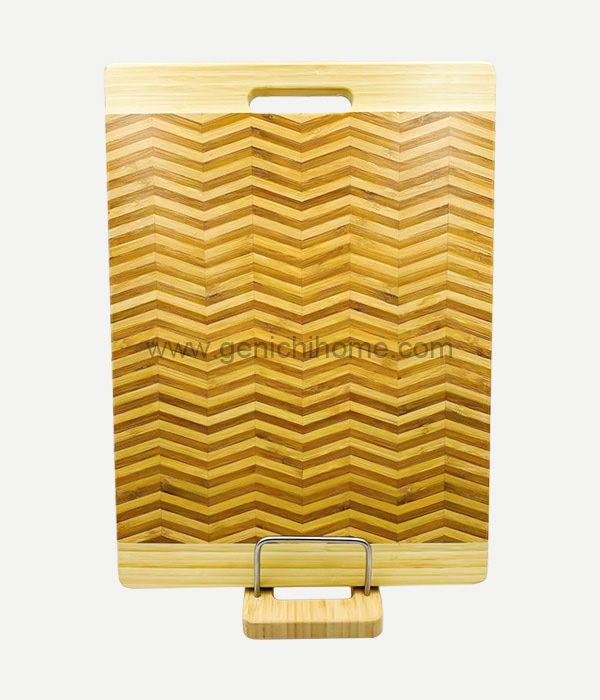
Regular dish soap handles everyday food residue reliably well. But after a bowl has been used for strongly flavored ingredients — garlic, onion, fish, raw meat drippings from a salad dressing — or if it has been sitting unused for an extended period, a more thorough approach is warranted.
White vinegar is the most practical sanitizing agent for wooden bowls. Mix one part white vinegar with five parts water, apply the solution to the bowl's surfaces with a cloth, and let it sit for several minutes before rinsing with warm water and drying as normal. For a faster result, a 50/50 vinegar-and-water solution in a spray bottle works equally well — spritz, wait five minutes, wipe, rinse, dry. Vinegar's acetic acid disrupts bacterial cell membranes without stripping the wood's natural oils or leaving behind chemical residues.
For visible stains — the purplish tinge left by beet salads, or the oily discoloration from vinaigrette sitting overnight — the lemon-and-salt method is highly effective. Pour a generous amount of coarse salt into the bowl, cut a lemon in half, and use the cut face as a scrubbing pad, working the salt into the stain in circular motions. The salt acts as a mild abrasive while the lemon's citric acid lifts discoloration and neutralizes odors. Rinse thoroughly and dry immediately. For stubborn odors specifically, a halved lemon rubbed directly over the surface achieves the same deodorizing result even without salt.
One substance to avoid entirely: bleach. While a heavily diluted bleach solution (4:1 water to bleach) can be used in extreme circumstances — such as after cutting raw poultry directly in the bowl — routine bleach use strips the wood's natural oils rapidly, leaving it dry, brittle, and far more susceptible to cracking than bacteria ever would.
Cleaning removes what does not belong in the wood. Conditioning replaces what does. These are two distinct steps, and skipping the second one is the most common reason wooden bowls age poorly.
Food-grade mineral oil is the standard conditioning agent for wooden kitchen items — widely available, inexpensive, odorless, tasteless, and crucially, it does not go rancid the way cooking oils do. Olive oil, vegetable oil, and coconut oil all seem like logical choices because they are food-safe and already in the kitchen, but each will eventually oxidize inside the wood grain and produce an unpleasant smell that no amount of washing removes. Mineral oil does not have this problem.
Apply mineral oil generously with a soft cloth or paper towel to all surfaces of a completely dry bowl. Let it absorb for a minimum of 30 minutes — several hours or overnight is better for bowls that feel particularly dry. Wipe off the excess with a clean cloth and buff lightly. The wood will darken slightly and develop a soft luster that signals the oil has penetrated the grain. For a new bowl, repeat this process daily for the first week, then weekly for the following month, then once a month thereafter as regular maintenance. A beeswax conditioner applied after the oil adds a protective surface layer that slows moisture absorption between uses.
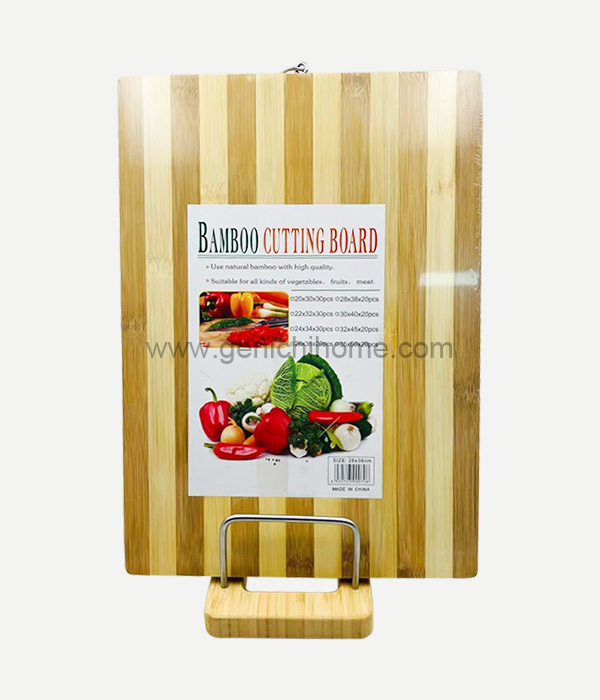
The same conditioning logic applies across all wooden and bamboo kitchen surfaces. Bamboo cutting boards that follow the same care principles benefit from identical mineral oil treatment — bamboo is slightly harder and less porous than most hardwoods, but it still dries out and splits without periodic conditioning. Similarly, bamboo cheese boards requiring the same oil conditioning routine will stay smooth and crack-free for years with monthly attention.
Most wooden salad bowls that end up warped, cracked, or sticky did not fail because of the wood — they failed because of how they were treated. A few consistent habits account for the majority of premature damage.
The dishwasher is the single most destructive environment a wooden bowl can enter. The combination of prolonged heat, extended moisture exposure, and harsh detergent removes the wood's natural and applied oils in a single cycle, leaving it parched and structurally stressed. Many bowls warp visibly after just one dishwasher run. This is non-negotiable: wooden bowls are hand-wash only.
Soaking in the sink is a close second. Even 10 minutes of standing in water begins to over-saturate the wood fibers. The bowl absorbs water unevenly across its surfaces, and as it dries, different sections contract at different rates — which is precisely how splits and cracks form. Rinsing is fine; soaking is not.
Storing a damp bowl is another common error. A bowl that feels dry to the touch after a brief towel-dry may still hold moisture in the deeper grain. Storing it in a closed cupboard before it has fully air-dried traps that moisture, creating the conditions for mold growth and grain-level damage. Storage in a cool, dry location away from direct sunlight and heat sources — not above the stovetop, not on a windowsill — preserves both the wood's structure and its finish over time.
Finally, leaving food sitting in the bowl overnight — particularly acidic dressings, salt-heavy preparations, or any wet ingredients — accelerates surface degradation. Rinse as soon as the meal is finished.
A wooden bowl that has been sitting in a cabinet for years, purchased at an estate sale, or simply mistreated for a season is rarely beyond recovery. Wood is a remarkably forgiving material when approached correctly.
Begin with a thorough wash using warm, soapy water and a non-abrasive scrubbing pad to remove surface dirt, sticky residue, and any loose finish. If the bowl feels tacky — a common symptom of rancid cooking oils absorbed into the grain — scrub with hot water and dish soap, rinse well, and allow the bowl to dry completely for at least 24 hours. The tackiness often resolves fully once the wood has dried.
Once clean and dry, assess the surface texture. If the bowl feels rough or fuzzy — a result of repeated moisture exposure raising the wood grain — fine sandpaper between 400 and 600 grit, used gently along the direction of the grain, will smooth it back down. Work in light, even passes and avoid concentrating pressure in one area. After sanding, wash the bowl again to remove all dust, dry thoroughly, and then apply a liberal conditioning treatment of mineral oil as described above. The transformation from a dull, rough, dry bowl to a smooth, lustrous one after a proper oil treatment is often remarkable.
For bowls with visible scratches, the same sanding approach applies — starting with a medium grit (around 120) for deeper marks and working progressively toward finer grits (400–600) until the surface is smooth. The natural character marks that come from genuine use are worth preserving where possible; only deeper scratches that catch food particles or feel rough during cleaning require attention. After any sanding work, re-seasoning with mineral oil is essential, as sanding removes the existing protective layer entirely.
Wooden spatulas and stirfry tools that benefit from identical maintenance can be restored using the same sequence — clean, dry, sand if needed, oil generously. And for anyone building out a complete natural kitchen toolkit, food preparation tools designed to last with proper care reward the same straightforward attention: prompt washing, immediate drying, and regular conditioning. The wood does the rest.
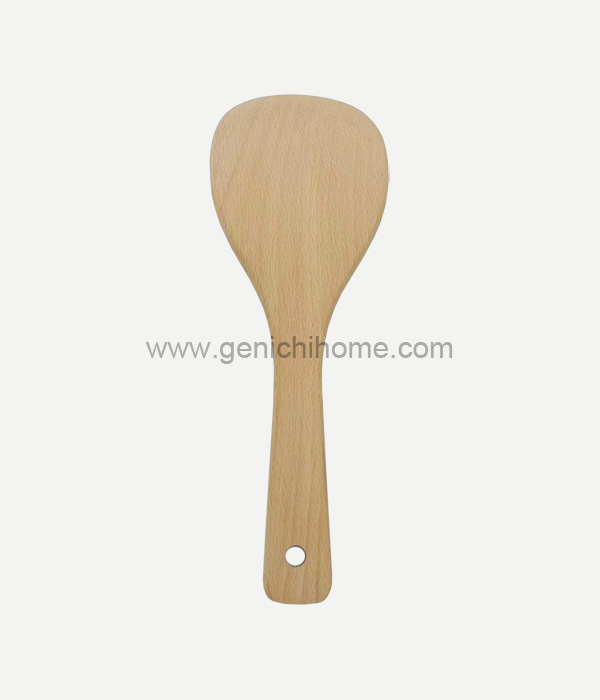
This stir fry spatula is made of beech wood,In addition to durability, our stir fry spatula also has heat resistance. It can withstand high temperatur...
See Details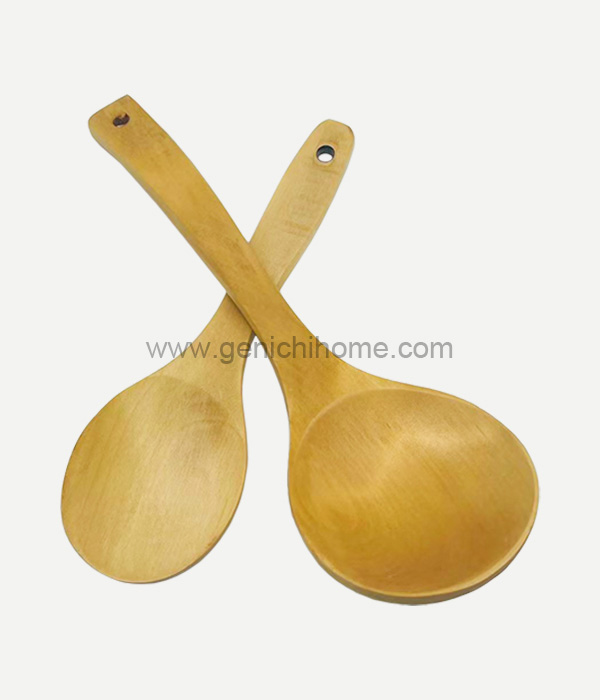
In addition to its durability, our wooden rice spoon is also heat-resistant. It can withstand high temperatures without warping or melting, ensuring s...
See Details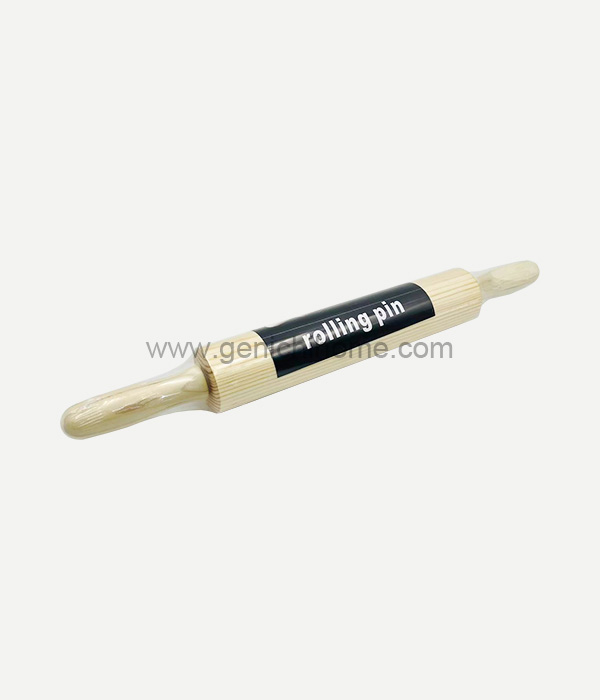
Our wooden rolling pins differ from other products in their ergonomic design. We have carefully designed this product to provide control and comfort. ...
See Details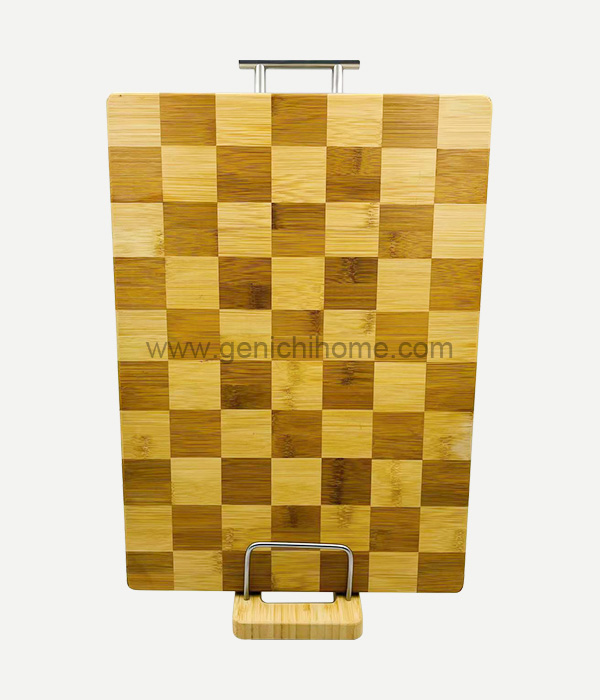
Our bamboo chopping board is not just your regular chopping board. It is made from high-quality bamboo, known for its durability and strength. we can ...
See Details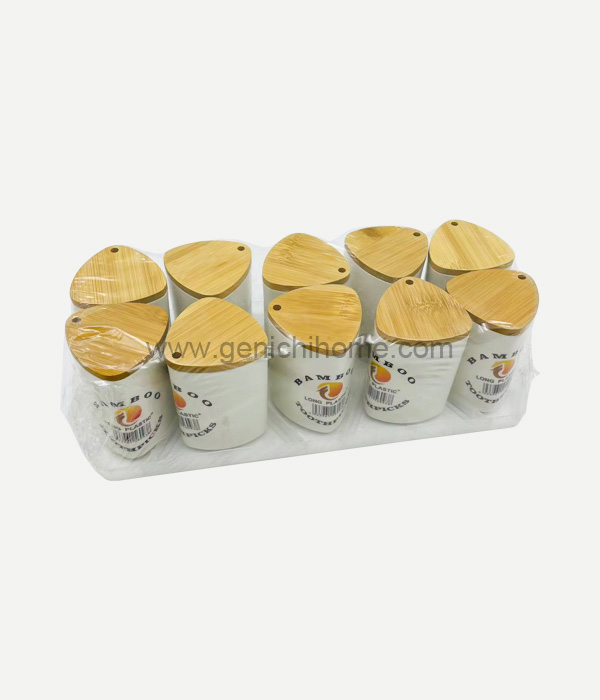
In addition to their practicality, our Bamboo Toothpicks also have a stylish bamboo cap design. This not only enhances their aesthetics but also serve...
See DetailsContact Us
Address: Room 1805, Communication Service Industrial Park, No. 183, Wenhui Road, Gongshu District, Hangzhou City, Zhejiang Province
E-mail: [email protected]
QUICK LINKS

