
 English
 русский
 عربى
عربى
This stir fry spatula is made of wenge wood,In addition to durability, our stir fry spatula also has heat resistance. It can withstand high temperatur...
See DetailsContent
When it comes to selecting a wooden bowl for the kitchen or dining table, material choice defines everything — the look, the feel, the durability, and the long-term value of the piece. Among all the hardwoods used in bowl making, walnut consistently stands apart, and the reasons are rooted in the physical properties of the wood itself.
Black walnut is a dense, close-grained hardwood with a Janka hardness rating of approximately 1,010 lbf — hard enough to resist dents and surface scratches from everyday use, yet workable enough for craftspeople to turn, carve, and sand to a refined finish. That combination of toughness and workability is rare, and it is what makes walnut the material of choice for heirloom-quality bowls intended to last decades rather than seasons.
Visually, walnut is simply one of the most striking domestic hardwoods available. Its heartwood ranges from a warm chocolate brown to deep espresso, often streaked with purple and gray undertones that shift in different lighting conditions. No two walnut bowls are identical — the grain pattern, figure, and color variation in every piece are determined by the individual tree, its growth history, and how the wood was cut. This natural uniqueness is precisely what makes a walnut wood bowl a centerpiece rather than just a utensil.
From a food safety standpoint, walnut wood performs excellently when properly finished. Its tight grain structure minimizes moisture absorption and bacterial penetration compared with more porous woods. Finished with food-safe mineral oil or a beeswax blend, a walnut bowl creates a non-toxic, allergen-free surface that is safe for direct contact with fresh produce, salads, breads, and fruit — with no chemical leaching concerns associated with plastic or resin-coated alternatives.
The wooden bowl market offers a wide range of material options, and each has a distinct profile in terms of aesthetics, performance, and suitability for different end uses. Understanding these differences helps buyers — whether purchasing for personal use or sourcing for retail — make decisions that match their needs and price points.
| Material | Hardness | Grain & Appearance | Best Use | Sustainability |
|---|---|---|---|---|
| Walnut | High (~1,010 lbf) | Rich dark brown, dramatic grain | Premium serving, gifting, décor centerpieces | Responsibly harvested hardwood |
| Cherry | Medium-High (~950 lbf) | Warm reddish-brown, deepens with age | Everyday salad and serving bowls | Responsibly harvested hardwood |
| Acacia | High (~1,700 lbf) | Blonde to golden brown, wavy grain | Heavy-duty serving, outdoor dining | Fast-growing; widely available |
| Bamboo | Very High (grass fiber) | Pale straw color, uniform texture | Everyday use, eco-conscious kitchens | Excellent — renewably harvested grass |
Bamboo deserves special mention because it is technically a grass rather than a wood, yet its processed fiber is harder and more dimensionally stable than many traditional hardwoods. It is naturally antibacterial, resists moisture-related warping, and is among the most environmentally responsible materials available for kitchen products. For buyers who prioritize sustainability alongside performance, a bamboo cutting board or bamboo bowl offers a compelling combination of eco-credentials and practical durability that few other materials can match.
Walnut, by contrast, wins on pure aesthetics and premium positioning. If the goal is a bowl that functions as a statement piece on a dining table — something that draws comments from guests and photographs beautifully for hospitality or retail presentations — walnut is the material that delivers those qualities most consistently.
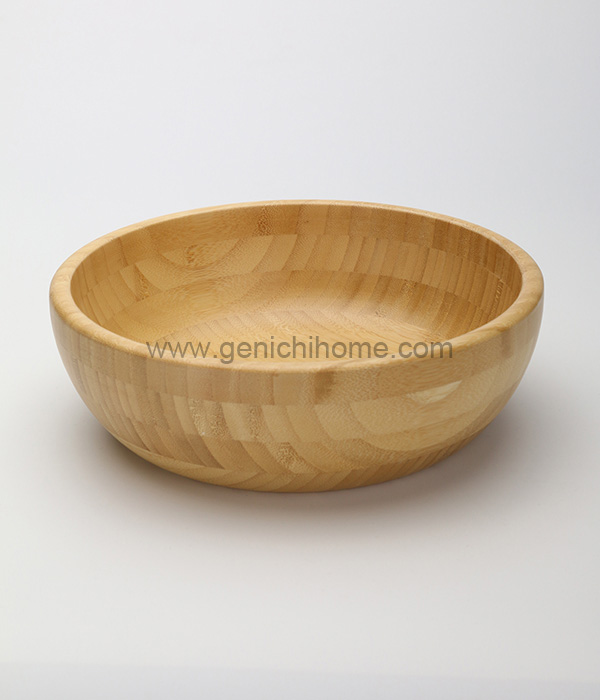
Most standard wooden salad bowls are sized between 10 and 14 inches — appropriate for a household of two to four people but limiting when the table gets larger. A 24 inch wooden salad bowl occupies a different category entirely, and understanding when and why that size matters is essential for anyone sourcing or purchasing large-format wooden bowls.
At 24 inches in diameter, a wooden salad bowl of this scale can comfortably serve 12 to 20 people in a single vessel. This makes it the practical choice for:
From a manufacturing standpoint, producing a structurally sound 24-inch wooden bowl requires significantly more material, precision drying and conditioning of the wood blank, and careful turning or carving to ensure uniform wall thickness throughout. These are not mass-produced commodity items — they represent meaningful craft investment, which is reflected in both their price point and their longevity.
The name "salad bowl" dramatically undersells the versatility of a large wooden bowl in the modern home. Once in place on a kitchen island or dining table, a 24-inch wooden bowl adapts naturally to a wide range of uses throughout the year.
As a fruit bowl, the large diameter allows a generous seasonal arrangement — citrus, apples, pears, and stone fruits displayed together in a way that invites grazing rather than hunting through a small bowl. The natural tannins in walnut wood are also mildly antibacterial, which helps extend the freshness of displayed fruit compared with ceramic or plastic alternatives.
For bread service and baking presentations, an oversized wooden bowl is the traditional vessel of choice. Bread dough proved in a well-oiled wooden bowl takes on a gentle crust character, and serving artisan loaves, rolls, or flatbreads directly from the bowl brings warmth and informality to the table that no basket or ceramic platter can replicate.
As a party and entertaining vessel, the 24-inch bowl holds chips, popcorn, mixed nuts, or antipasti for a crowd without the need for constant refilling. A complementary bamboo tray alongside the bowl creates a cohesive, natural-material serving station that works as well for casual gatherings as it does for formal dinner parties.
Finally, for interior decorators and home stagers, a large walnut bowl is one of the most versatile props in the toolkit. Its warm, organic presence grounds a kitchen vignette, adds texture to a minimalist dining room, and contrasts effectively with both matte concrete surfaces and polished marble countertops.
A walnut wood bowl that receives proper care will deepen in color, develop a rich patina, and remain structurally sound for generations. The care requirements are straightforward, but a few common mistakes can permanently damage even the highest-quality piece.
| Do | Don't |
|---|---|
| Hand wash with warm water and mild dish soap immediately after use | Place in a dishwasher — heat and prolonged moisture will cause cracking and warping |
| Dry thoroughly with a clean towel right after washing | Leave the bowl soaking in water or standing in a puddle |
| Apply food-safe mineral oil or beeswax conditioner every 4–6 weeks | Use cooking oils (olive, vegetable) — these go rancid inside the grain |
| Store in a dry, ventilated area at room temperature | Store near a heat source, radiator, or in direct sunlight for extended periods |
| Use wooden or silicone utensils when tossing salads | Use metal utensils that can scratch the surface finish |
Oil conditioning is the single most important maintenance step. When walnut wood dries out, it becomes brittle and prone to surface cracking, particularly along the grain. A well-oiled bowl not only resists cracking but actively improves in appearance — the oil deepens the walnut's natural color and brings out the grain's three-dimensional quality in a way that no factory finish can permanently replicate. For a 24-inch bowl used regularly, monthly oiling in the first year and quarterly thereafter is a practical maintenance schedule.
If a bowl develops light surface scratches over time, fine-grit sandpaper (220 grit) can be used to gently resurface the affected area, followed by re-oiling. This ability to be restored and refreshed — rather than replaced — is one of the most compelling long-term advantages of a quality wooden bowl over any synthetic alternative.
For importers, wholesale buyers, and retail brands looking to source wooden bowls at scale, the quality and consistency of the manufacturing partner is the determining factor in product performance and customer satisfaction. Genichi Home & Life Essentials is a China-based OEM/ODM manufacturer founded in 2017, headquartered in Jinhua City, Zhejiang Province, with additional production facilities in Lishui City, Zhejiang, and Taining County, Fujian Province.
The company specializes in the production of wood, bamboo, rattan, and natural fiber household products — including wooden salad bowls, bamboo cutting boards, serving trays, and kitchen utensils. With independent design and new product development capabilities in-house, Genichi Home supports both standard catalog orders and fully customized OEM/ODM projects, including bespoke sizing, material specifications, surface finishing, branding, and packaging design. Products are exported to Southeast Asia, the Middle East, and international markets, with a growing customer base across Europe and North America.
Whether you are sourcing a walnut wood bowl for a premium retail line, a 24 inch wooden salad bowl for a hospitality brand, or a complete bamboo kitchenware collection for private label distribution, Genichi Home has the manufacturing depth and natural materials expertise to deliver. Contact the team today to request a product catalog, sample order, or custom quotation.
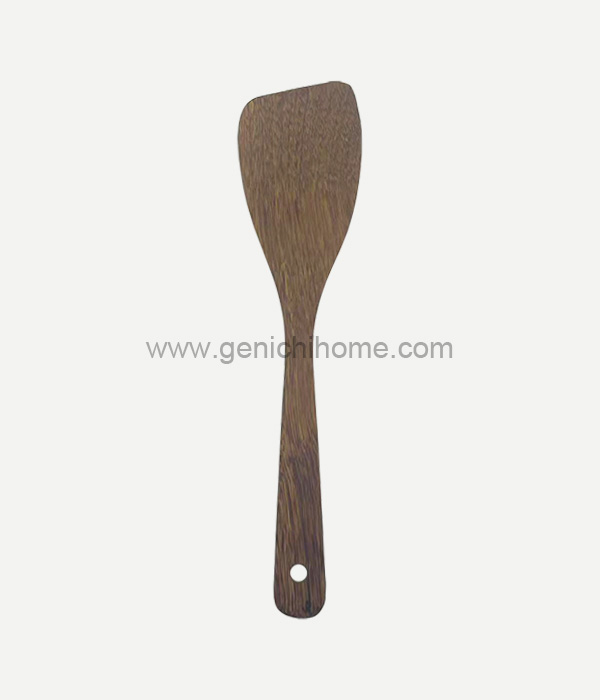
This stir fry spatula is made of wenge wood,In addition to durability, our stir fry spatula also has heat resistance. It can withstand high temperatur...
See Details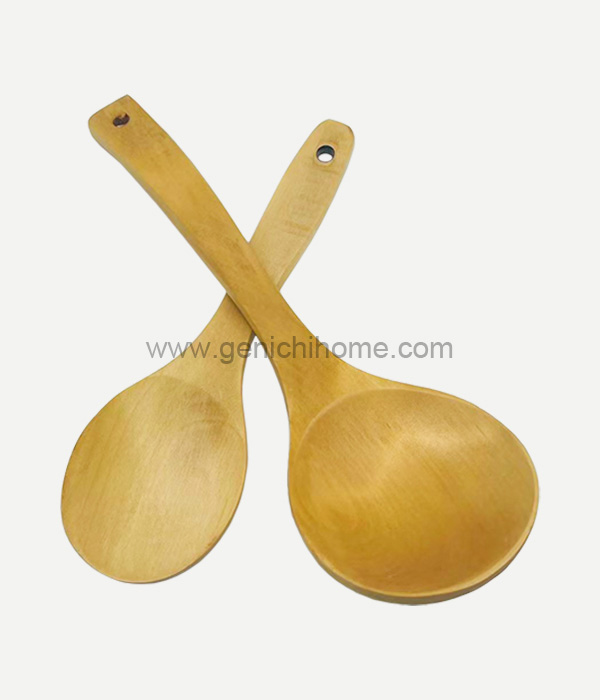
In addition to its durability, our wooden rice spoon is also heat-resistant. It can withstand high temperatures without warping or melting, ensuring s...
See Details
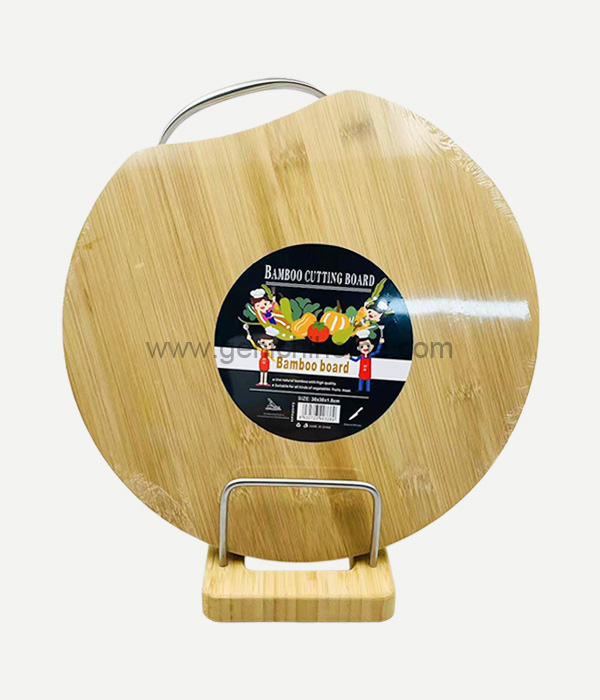
Our bamboo chopping board is not just your regular chopping board. It is made from high-quality bamboo, known for its durability and strength. With a ...
See Details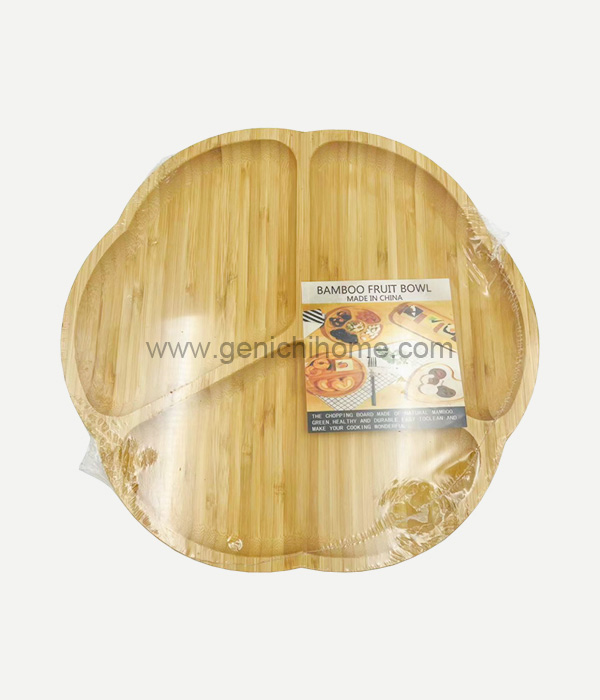
Our nut trays come in various sizes and partition designs for selection, specifically for storing snacks, dried fruits, and other items. The materials...
See Details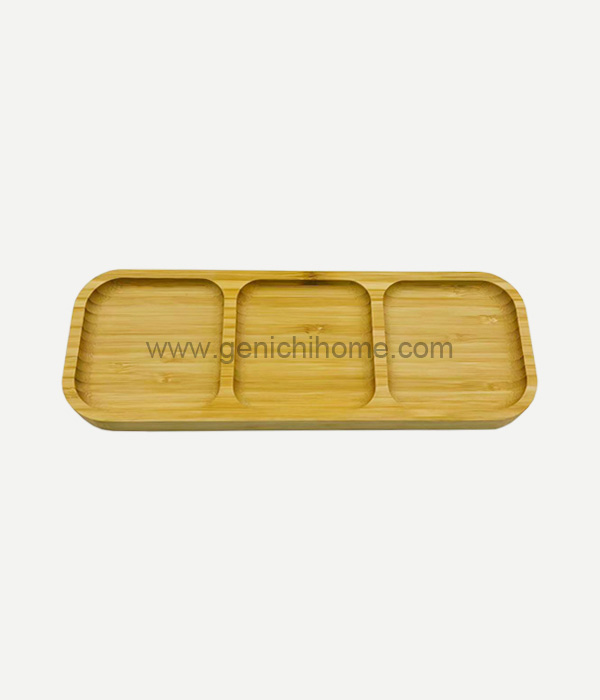
In terms of functionality, our Bamboo Nut Tray comes in two different options to suit your needs. The option is a three-compartment tray, allowing you...
See DetailsContact Us
Address: Room 1805, Communication Service Industrial Park, No. 183, Wenhui Road, Gongshu District, Hangzhou City, Zhejiang Province
E-mail: [email protected]
QUICK LINKS

