
 English
 русский
 عربى
عربى
Our bamboo chopping board is not just your regular chopping board. It is made from high-quality bamboo, known for its durability and strength. With a ...
See DetailsContent
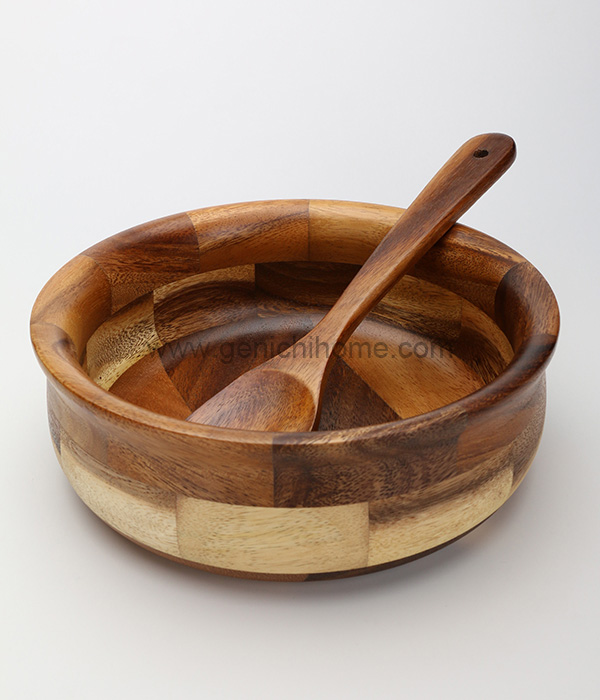
A cherry salad bowl is one of the most enduring pieces of wooden kitchenware you can own. Cherry hardwood — known botanically as Prunus serotina — is prized by bowl makers for a specific combination of properties that few other woods can match. It starts out a warm honey-blond when freshly turned, then deepens over months and years of use into a rich, reddish-brown that improves with every wash and every oiling. No stain or artificial finish produces that transformation; it is simply what cherry wood does when it is used and cared for properly.
Beyond its visual appeal, cherry is a closed-grain hardwood with a fine, uniform texture. This means the surface resists absorbing salad dressings, fruit juices, and moisture more readily than open-grained woods like oak or ash. It is also naturally smooth to the touch when well-finished, making it comfortable to toss a salad in and easy to wipe clean. A cherry salad bowl made from a single piece of solid wood — rather than laminated or segmented construction — will show the natural ring patterns of the tree, giving each bowl a completely unique appearance.
Not all wood salad bowls marketed as "cherry" are made the same way. Understanding a few key variables will help you select a bowl that performs well and lasts for decades.
A bowl turned from a single solid piece of cherry wood is the premium choice. The continuous grain wraps around the entire bowl, providing maximum structural integrity and the most visually coherent pattern. Laminated bowls, built from glued layers of cherry veneer or strips, are more affordable and dimensionally stable, but they lack the singular character of a solid-turned piece.
Cherry salad bowls are typically finished with one of two approaches. An oil or wax finish — food-safe mineral oil, beeswax, or a blend of both — penetrates the wood and nourishes it from within. This is the preferred finish for bowls intended for regular salad use, as it can be renewed easily at home. A film finish such as lacquer or varnish creates a harder, more water-resistant surface but cannot be reapplied without stripping, and it is generally considered inappropriate for bowls that will hold food directly.
A bowl intended for a main-course salad for four people should be at least 10 to 12 inches in diameter and 4 inches deep. Shallower bowls are better suited for serving bread, fruit, or small side salads. If you plan to toss the salad directly in the bowl, err on the larger side — a generous lip above the salad level prevents dressing from splashing over the rim.
| Bowl Diameter | Depth | Best Use |
|---|---|---|
| 7–9 inches | 3–3.5 inches | Individual serving, fruit, snacks |
| 10–12 inches | 4 inches | Salad for 2–4 people, everyday use |
| 13–15 inches | 4.5–5 inches | Family salad, pasta, bread serving |
| 16 inches and above | 5+ inches | Entertaining, large gatherings |
Knowing how to clean a wood bowl correctly is just as important as choosing a quality one. The single most damaging mistake most people make is treating a wood bowl like any other dish — submerging it in water, loading it into the dishwasher, or leaving it to air-dry on the rack. Wood and prolonged moisture are a damaging combination. Water penetrates the grain, causes uneven swelling, and ultimately leads to warping, cracking, or splitting.
The correct daily cleaning method is quick, simple, and takes less than a minute:
Routine hand-washing handles everyday food residue, but occasionally a wood bowl needs more thorough attention — to remove odors, disinfect after contact with raw ingredients, or address staining.
If your bowl has absorbed the smell of garlic, onion, or a particularly pungent dressing, sprinkle the interior generously with coarse salt and rub it vigorously with the cut face of a halved lemon. The salt acts as a mild abrasive to lift surface residue, and the lemon juice neutralizes odors naturally. Rinse with warm water and dry immediately.
For bowls that have held raw meat, fish, or eggs, a 50/50 solution of white vinegar and water provides effective sanitization without damaging the wood. Apply with a clean cloth, allow the solution to sit for three to five minutes, then rinse thoroughly and dry immediately. A similar dilution of 3% hydrogen peroxide and water achieves the same result.
Cherry wood can absorb colour from strongly pigmented ingredients — beet juice, berry dressings, and turmeric are common culprits. For fresh stains, the salt-and-lemon technique described above is often sufficient. For set stains, fine-grit sandpaper (400–600 grit) applied lightly along the grain will remove a very thin layer of the surface and expose fresh wood beneath. After sanding, the bowl must be re-oiled before use.
A sticky, tacky surface on an older bowl is usually the result of rancid oil that has oxidised on the wood surface over time. Wash the bowl in warm soapy water and scrub with the mildly abrasive side of a sponge. Once clean and dry, re-season with a fresh application of food-safe mineral oil to restore the finish.
Cleaning removes food and bacteria; seasoning protects the wood and keeps it looking its best. A wood bowl that is cleaned regularly but never re-oiled will gradually dry out, lose its lustre, and become more prone to cracking. Seasoning replenishes the protective oil layer that washing slowly strips away.
The best oils for seasoning a wood salad bowl are those that will not go rancid: food-grade mineral oil is the most reliable choice, widely available and indefinitely shelf-stable. Beeswax blended with mineral oil provides additional surface protection and a pleasant low-sheen finish. Avoid cooking oils such as olive, vegetable, or coconut oil for long-term seasoning — while they are food-safe, they oxidise over time and create the sticky, rancid residue described above.
To season a cherry salad bowl, ensure it is completely clean and dry. Apply a generous coat of mineral oil with a lint-free cloth, covering the interior, exterior, and the rim. Allow the oil to soak into the wood for at least 30 minutes — or several hours for a thirsty, newly purchased bowl — then wipe away any excess with a clean dry cloth and buff to a soft sheen. A new bowl benefits from daily seasoning for the first week, then weekly for the following month. After that, oil whenever the wood looks dry or dull to the touch, or at least every one to two months with regular use.
Several common habits will shorten the life of a cherry salad bowl significantly. Avoiding these is as important as following the correct cleaning steps:
Genichi Home & Life Essentials is a China-based manufacturer of bamboo and wood daily necessities, founded in 2017 and headquartered in Jinhua City, Zhejiang Province. With production facilities in Lishui City, Zhejiang and Taining County, Fujian, the company operates its own production lines and maintains an independent product design and R&D capability across a broad range of natural material kitchenware.
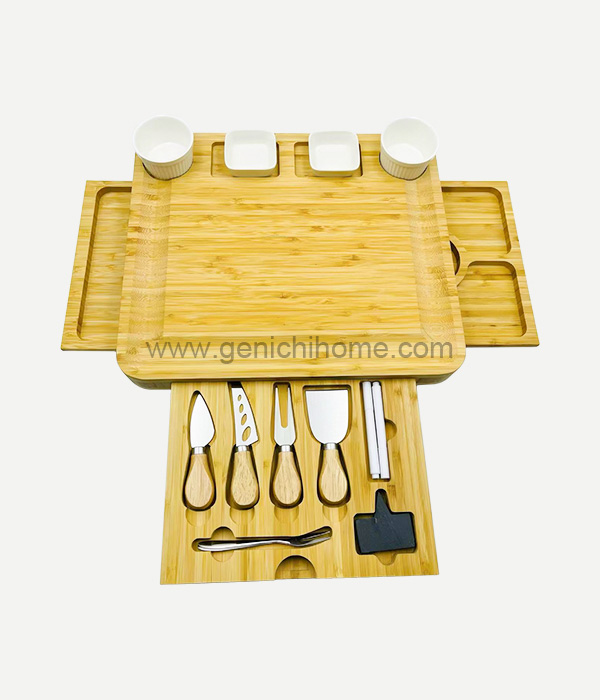
The product range relevant to wood bowl care and everyday kitchen use includes salad bowls, bamboo cutting boards, bamboo cheese boards, wooden stir-fry spatulas, and wooden rice scoops and ladle spoons. All products are built around the same principle that applies to a quality cherry salad bowl: natural materials, honest construction, and a design intended for daily use rather than decoration.
OEM and ODM services are available across the full product range, with support for custom dimensions, surface finishes, and packaging. Genichi Home's products are exported to Southeast Asia, the Middle East, and beyond, with a supply track record built on consistent quality and competitive manufacturing from sustainably processed bamboo and wood raw materials.
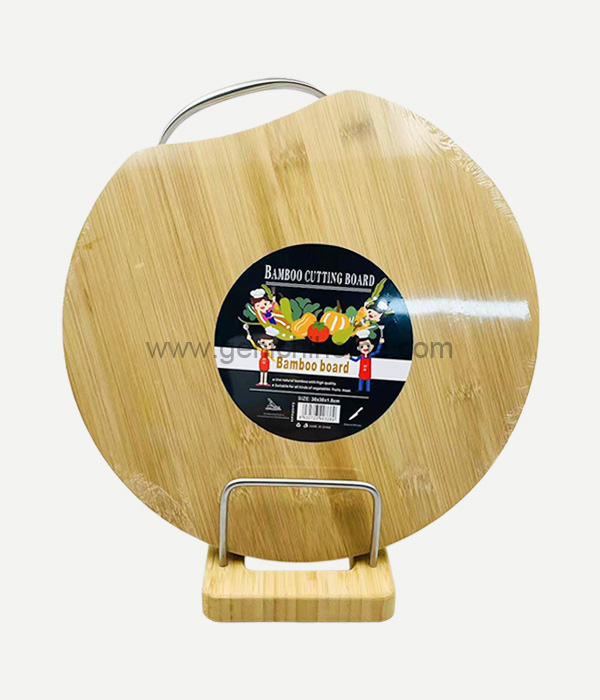
Our bamboo chopping board is not just your regular chopping board. It is made from high-quality bamboo, known for its durability and strength. With a ...
See Details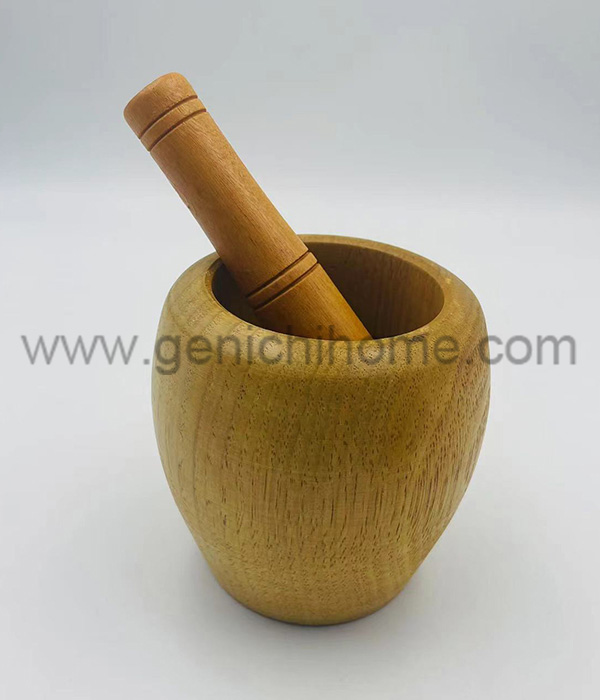
Our garlic pounds are made of Lithocarpus material to ensure their durability and lifespan.We firmly believe that the Garlic Pounder will revolutioniz...
See Details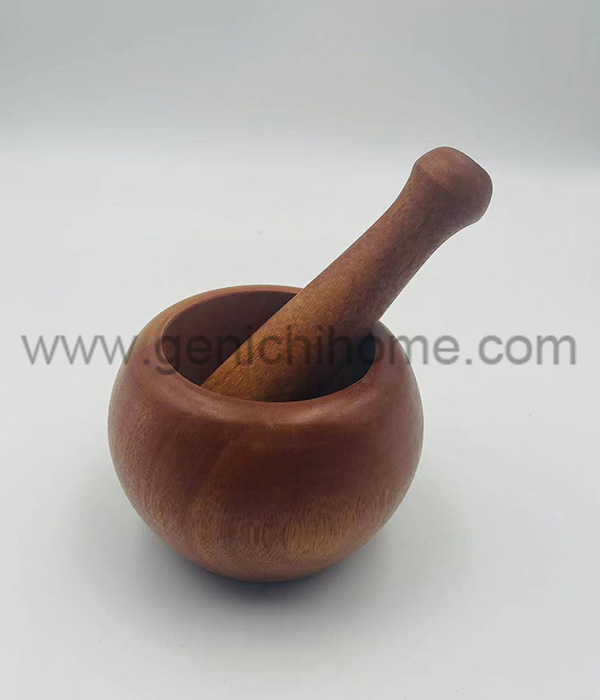
Our garlic pounds are made of Mahogany material to ensure their durability and lifespan.We firmly believe that the Garlic Pounder will revolutionize y...
See Details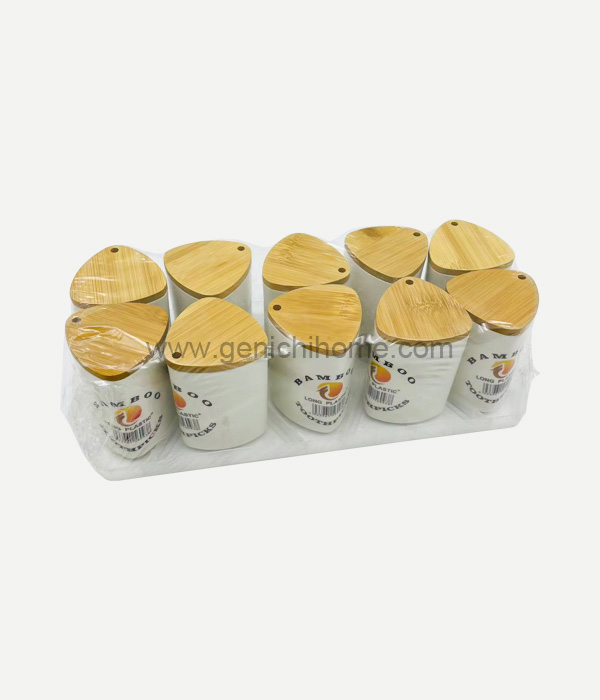
In addition to their practicality, our Bamboo Toothpicks also have a stylish bamboo cap design. This not only enhances their aesthetics but also serve...
See Details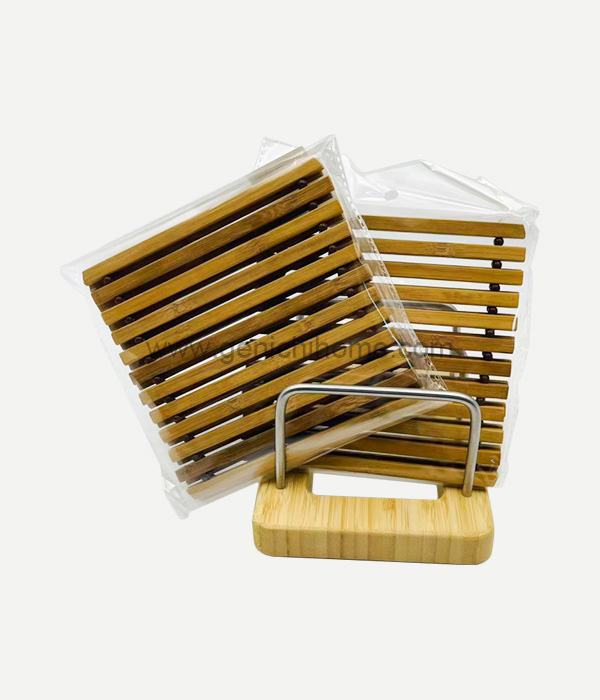
Our bamboo insulation mat is designed with exquisite grid patterns that provide a modern and minimalist touch, making it a versatile choice for any ho...
See DetailsContact Us
Address: Room 1805, Communication Service Industrial Park, No. 183, Wenhui Road, Gongshu District, Hangzhou City, Zhejiang Province
E-mail: [email protected]
QUICK LINKS

