
 English
 русский
 عربى
عربى
We proudly present rectangular pizza tray, a classic design that ensures even heat distribution for a ly cooked pizza. The circular shape allows you t...
See DetailsContent
Ask any experienced cook what the most common mistake is when making a chopped salad, and the answer is almost always the same: using a bowl that is too small. A large bowl is not merely a vessel — it is an active tool in the salad-making process, and its size, depth, and material directly shape the final result on the plate.
When all the ingredients of a finely chopped salad are tossed together, they need room to move. A bowl that is too shallow or too narrow forces ingredients to pile up unevenly, making it impossible to distribute the dressing uniformly. Leaves bruise against the sides, dressing pools at the bottom, and the balance of every ingredient in each bite — the defining quality of a great chopped salad — is lost before the first forkful. A large, deep bowl with generous interior volume gives every component the space it needs to be properly coated and evenly combined. It also makes the tossing motion itself more effective, allowing the cook to turn ingredients from the bottom up without spillage.
Beyond pure function, a large salad bowl doubles as a presentation piece. A beautifully crafted wooden bowl arriving at the table piled high with a vibrant finely chopped salad communicates generosity and care in a way that a standard kitchen mixing bowl simply cannot.
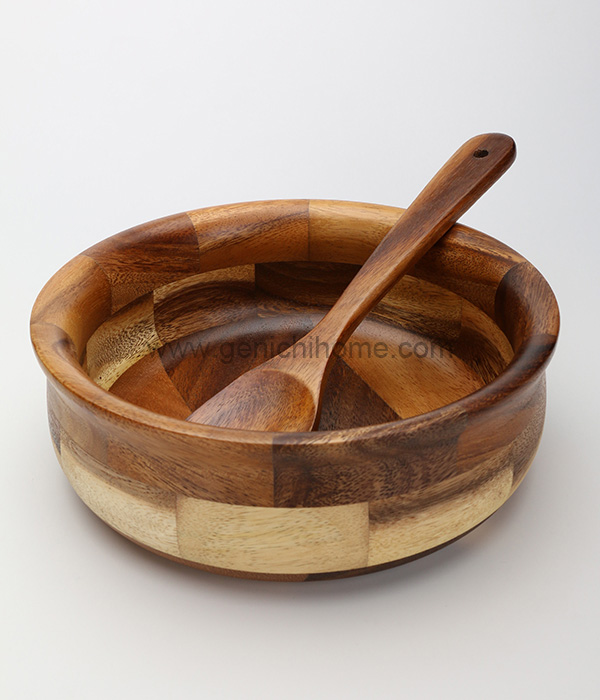
The term "finely chopped salad" refers to a specific preparation technique in which every ingredient — lettuce, vegetables, proteins, and cheese — is cut into small, uniform pieces before being combined. This is not simply a stylistic preference; it changes the fundamental eating experience in several measurable ways.
First, fine chopping ensures that every forkful contains a balanced cross-section of all ingredients. In a standard tossed salad, a single bite might contain mostly lettuce with a stray piece of cucumber. In a finely chopped salad, that same bite includes lettuce, tomato, onion, olive, and cheese in near-equal proportion — a result that is impossible to achieve unless every ingredient is cut to roughly the same small size.
Second, fine chopping dramatically increases the surface area of each ingredient, allowing the dressing to coat everything more thoroughly. A thick wedge of romaine carries a fraction of the dressing that the same weight of finely chopped romaine will absorb. This is why chopped salads taste more intensely seasoned and cohesive than their whole-leaf counterparts, even when prepared with an identical dressing.
Third, the uniform cut size makes the salad significantly easier to eat — no oversized leaves requiring awkward folding, no chunks that fall off the fork. This is one reason why finely chopped salads have become a staple in casual dining restaurants and meal prep culture alike: they are as practical as they are delicious.
| Feature | Finely Chopped Salad | Standard Tossed Salad |
|---|---|---|
| Ingredient uniformity | High — all pieces cut to similar size | Low — variable sizes and shapes |
| Dressing coverage | Full and even coating on all pieces | Uneven — dressing pools at base |
| Bite balance | Every forkful contains all ingredients | Varies bite to bite |
| Prep time | Longer — requires careful knife work | Shorter — minimal cutting required |
| Bowl requirement | Large, deep bowl essential for tossing | Standard bowl sufficient |
Not all large bowls are equally suited to finely chopped salads. Three specifications matter most: interior diameter, depth, and the material from which the bowl is made.
Size: For a salad serving four to six people, a bowl with an interior diameter of at least 30 cm (approximately 12 inches) is the practical minimum. For larger gatherings — eight or more servings — a bowl in the 38–45 cm (15–18 inch) range provides the working space needed to toss without overcrowding. It is always better to err on the side of a larger bowl: an overfull bowl guarantees ingredient spillage and uneven mixing, while extra space in a large bowl creates no disadvantage.
Depth: A shallow wide bowl — the type more commonly used for serving than mixing — is poorly suited to the tossing action required for a finely chopped salad. A bowl with sides at least 10–12 cm (4–5 inches) high gives the cook the leverage needed to turn ingredients from the bottom up effectively. This depth is especially important when the salad contains many small-cut components that would otherwise scatter easily.
Material: This is where the choice becomes both functional and aesthetic. Stainless steel bowls are durable and easy to clean but contribute nothing to the dining experience. Glass and ceramic bowls are visually appealing but heavy, fragile under impact, and cold to the touch — an unappealing sensation when handling for extended periods of tossing. Wooden bowls occupy a uniquely advantaged position: they are lightweight enough to handle comfortably, durable enough for daily use, and visually warm in a way no manufactured material can replicate. Explore Genichi Home's salad bowl collection to see the full range of wooden and bamboo options available for both home and commercial applications.
The relationship between wooden bowls and salad is one of the oldest in culinary history, and it endures not out of sentiment but because wood genuinely performs better than its alternatives in several key respects.
Dressing absorption and seasoning: Over time, a well-maintained wooden salad bowl develops a micro-thin layer of absorbed oil from repeated use and seasoning. This creates a subtle baseline flavor — a gentle richness — that coats each batch of salad with the memory of hundreds of previous dressings. Many seasoned cooks prefer never to wash their wooden salad bowl with soap for exactly this reason, instead rinsing with warm water and drying thoroughly to preserve this accumulated seasoning.
Temperature behavior: Unlike ceramic or metal, wood does not conduct heat or cold aggressively. This means a wooden bowl stays close to ambient room temperature, which is ideal for serving cold chopped salads — the bowl will not warm the salad from below the way a room-temperature metal bowl might, nor will it chill the dressing the way a refrigerator-cold glass bowl does.
Natural antibacterial properties: Bamboo and hardwoods including walnut and cherry contain natural tannins and compounds that inhibit bacterial growth on the surface. When properly maintained, a wooden salad bowl is a hygienic serving vessel well-suited to acidic, oil-dressed preparations like chopped salads.
Aesthetic impact: A large wooden bowl filled with a finely chopped salad — greens, reds, yellows, and whites visible through the toss — is one of the most naturally beautiful food presentations possible. The warm grain of cherry or walnut wood complements fresh produce in a way that white ceramic or stainless steel simply cannot. For more on selecting the right wood species for your bowl, see our cherry salad bowl guide and our detailed walnut wood bowl guide covering sizing and care recommendations.
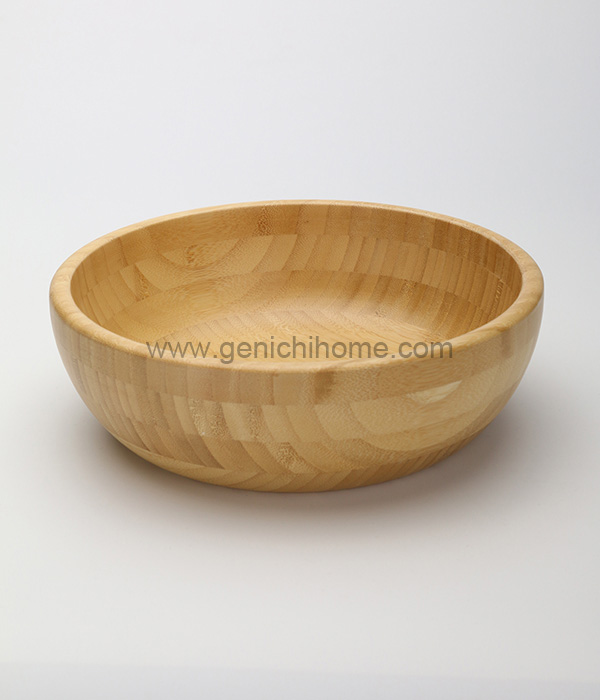
A finely chopped salad rewards methodical preparation. The following process applies regardless of the specific ingredients used and can be adapted to Mediterranean, Italian, or any other flavour profile.
For restaurant groups, hotel food and beverage operations, catering companies, and retail kitchenware brands, sourcing large wooden salad bowls involves a distinct set of considerations from residential purchasing. Volume, dimensional consistency, finish durability, and food-safety certification all become critical specifications at commercial scale.
The key advantage of working directly with a dedicated wooden kitchenware manufacturer — rather than sourcing through a distributor or retail channel — is the ability to specify products precisely. Custom diameter, depth, wood species, surface finish, and branding elements can all be incorporated into an OEM or ODM production run, ensuring that every bowl arriving at a restaurant table or retail shelf meets an identical standard.
For high-volume operations such as salad bars, catering services, or hospitality groups with multiple properties, consistent bowl sizing is operationally important: standardized bowls stack more efficiently in storage, fit more predictably in dishwashing racks, and allow portion control to be maintained across service periods. Bamboo salad bowls offer a particularly compelling option for commercial buyers — bamboo reaches harvest maturity in three to five years compared to decades for most hardwoods, making it both a cost-effective and environmentally responsible material choice for large-scale procurement.
Genichi Home & Life Essentials specializes in supplying wooden and bamboo kitchenware — including large salad bowls in a range of sizes and finishes — to B2B clients across Southeast Asia, the Middle East, and beyond. Full OEM and ODM capabilities allow buyers to specify exact dimensions, surface treatments, and packaging requirements for every order, from small-batch sampling to full-container production runs.
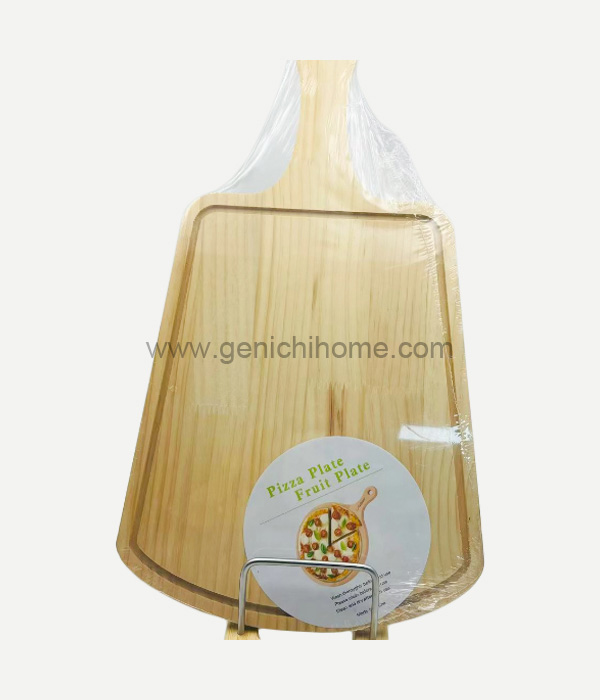
We proudly present rectangular pizza tray, a classic design that ensures even heat distribution for a ly cooked pizza. The circular shape allows you t...
See Details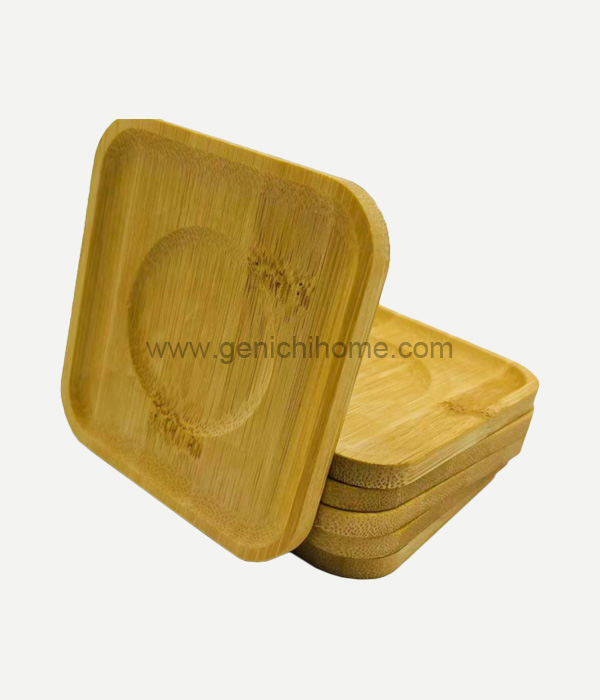
Our bamboo coasters are available in two shapes – round and square, both of which come equipped with a convenient handle. This unique feature allows f...
See Details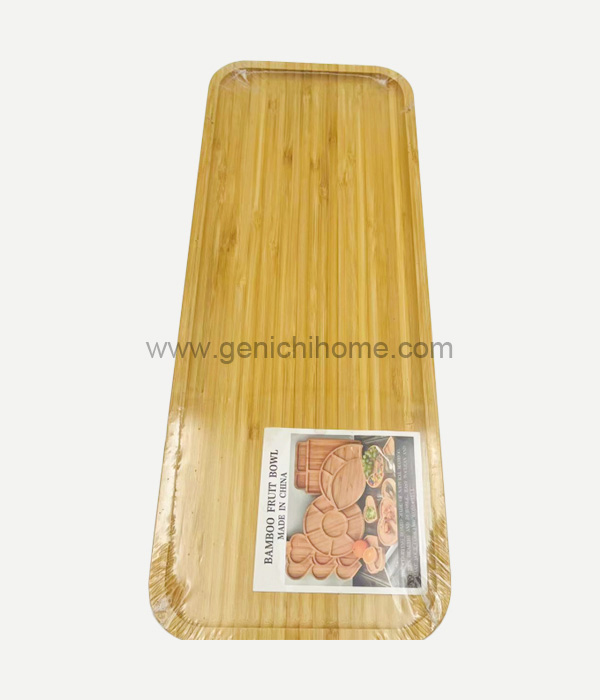
Our nut trays come in various sizes and partition designs to choose from, specifically for visiting snacks, dried fruits, and other items. The materia...
See Details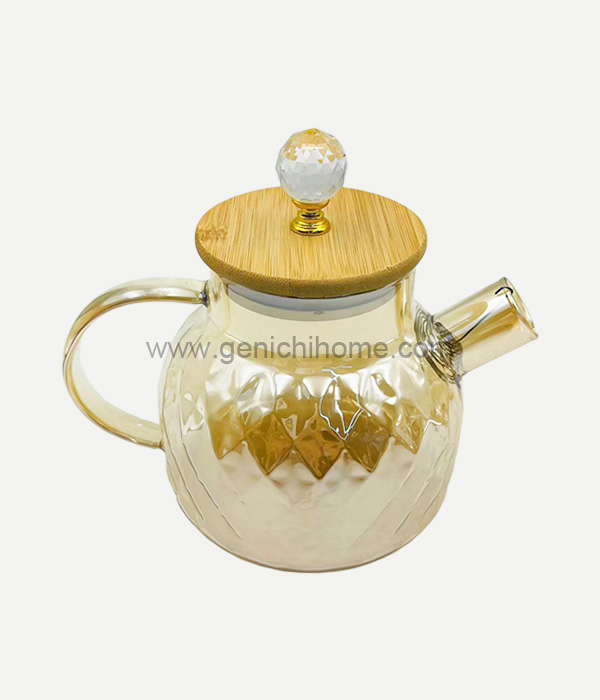
1000ml Capacity: Perfect for personal use or smaller get-togethers, this size offers convenience without compromising on style and functionality.
See Details
The 5-hook hanger is ideal for those seeking extra storage capacity. With five sturdy hooks, you'll have plenty of space for all your clothing and hat...
See DetailsContact Us
Address: Room 1805, Communication Service Industrial Park, No. 183, Wenhui Road, Gongshu District, Hangzhou City, Zhejiang Province
E-mail: [email protected]
QUICK LINKS

