
 English
 русский
 عربى
عربى
Our cutting board has a moderate thickness, making it easy to operate and effectively utilizing kitchen space. It is not only very suitable for cuttin...
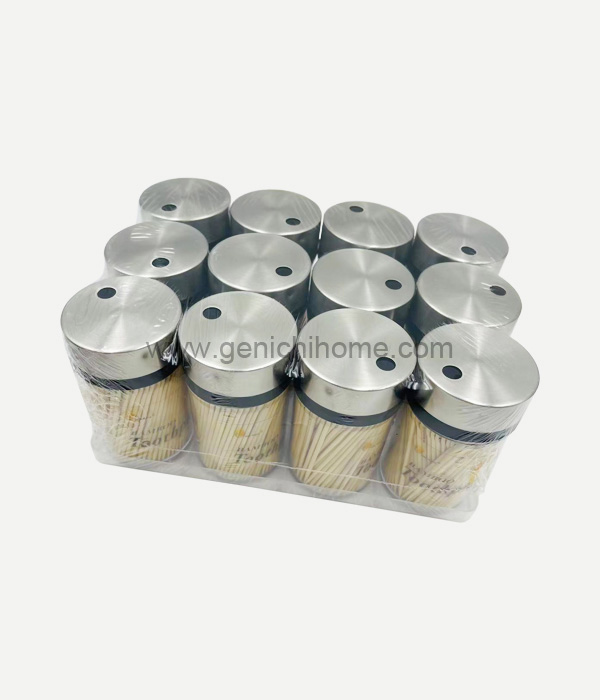
See DetailsA bamboo toothpick represents the most practical and environmentally responsible choice for oral hygiene and food service needs. Unlike plastic alternatives that persist in landfills for centuries, bamboo is fully biodegradable, compostable, and renewable. For consumers and businesses alike, switching to bamboo offers a tangible way to reduce single-use plastic waste without compromising on strength or functionality. The material’s natural antimicrobial properties and smooth finish make it safer for gum health compared to cheaper wooden or plastic variants.
The shift towards bamboo is not just a trend but a necessary evolution in sustainable living. With global plastic pollution reaching critical levels, the bamboo toothpick serves as a small but significant step toward a circular economy. It decomposes within 3 to 6 months in a composting environment, whereas plastic picks can take up to 400 years. This rapid decomposition cycle ensures that daily habits do not leave a lasting negative footprint on the planet.
Content
Bamboo is one of the fastest-growing plants on Earth, with some species growing up to 91 cm (35 inches) per day. This rapid growth rate makes it an incredibly renewable resource that requires no fertilizers, pesticides, or excessive water to thrive. Unlike trees used for traditional wooden toothpicks, bamboo does not need to be replanted after harvesting because it regenerates from its root system.
Bamboo forests are highly effective at sequestering carbon dioxide. A hectare of bamboo can absorb up to 12 tons of CO2 annually, significantly more than young tree forests. By choosing products derived from bamboo, consumers support an industry that actively contributes to carbon reduction. Furthermore, the manufacturing process for bamboo toothpicks typically involves less chemical processing than plastic production, resulting in a lower overall carbon footprint.
The end-of-life scenario for a bamboo toothpick is starkly different from that of plastic. Plastic toothpicks often end up in oceans, breaking down into microplastics that enter the food chain. In contrast, bamboo is organic matter. When disposed of in a home compost bin or industrial facility, it breaks down into nutrient-rich soil. This closed-loop lifecycle ensures that the product returns to the earth without leaving toxic residues.
Beyond environmental benefits, bamboo offers distinct health advantages. The natural structure of bamboo fibers provides a smooth surface that is less likely to splinter compared to low-quality wood picks. Splinters can cause gum irritation, bleeding, and even infection. High-quality bamboo toothpicks are polished to a fine finish, minimizing this risk.
| Material | Splinter Risk | Biodegradable | Chemical Additives |
|---|---|---|---|
| Bamboo | Low | Yes (100%) | None (Natural) |
| Birch Wood | Moderate | Yes | Possible Bleaches |
| Plastic | None | No | BPA/Phthalates |
Bamboo contains a natural bio-agent called "bamboo kun" which exhibits inherent antimicrobial and antibacterial properties. This means that bacteria are less likely to grow on the surface of a bamboo toothpick compared to plastic or untreated wood. For users concerned about hygiene, this natural resistance adds an extra layer of safety, especially when the pick is stored in a container for later use.
One common misconception is that eco-friendly materials are weaker. However, bamboo has a higher tensile strength than many hardwoods and even some steel alloys by weight. A bamboo toothpick is rigid enough to remove stubborn food particles without bending or breaking mid-use. This durability ensures that users do not need to use multiple picks for a single cleaning session, reducing overall consumption.
Beyond oral hygiene, bamboo toothpicks are staples in the culinary world. They are ideal for:
Their neutral taste and odor ensure they do not alter the flavor of food, a common issue with low-quality plastic picks that may leach chemicals when exposed to hot foods.
To maximize the benefits of a bamboo toothpick, consumers should select high-quality products and dispose of them correctly. Not all bamboo picks are created equal; some may be treated with harsh bleaches to achieve a uniform white color.
Look for toothpicks that are labeled as unbleached or naturally processed. A light yellow or natural tan color is indicative of minimal chemical treatment. Ensure the packaging is also eco-friendly, such as cardboard or paper, to maintain the zero-waste ethos. Smooth, polished tips are essential for preventing gum damage, so inspect the product reviews or descriptions for mentions of "splinter-free" manufacturing.
After use, a bamboo toothpick should ideally be composted. If you have a home compost bin, simply toss it in with your green waste. It will break down alongside food scraps. If composting is not an option, it can be disposed of in general waste, where it will still degrade much faster than plastic. However, avoid flushing bamboo toothpicks down the toilet, as they do not disintegrate like toilet paper and can contribute to plumbing blockages.
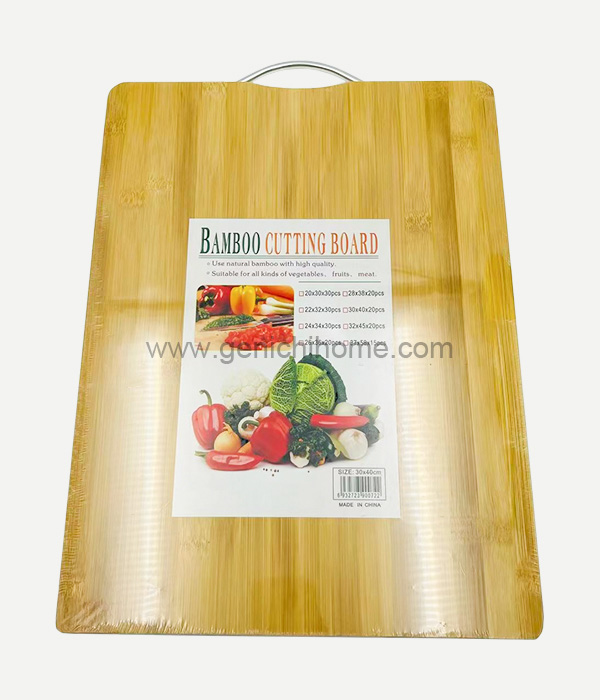
Our cutting board has a moderate thickness, making it easy to operate and effectively utilizing kitchen space. It is not only very suitable for cuttin...
See Details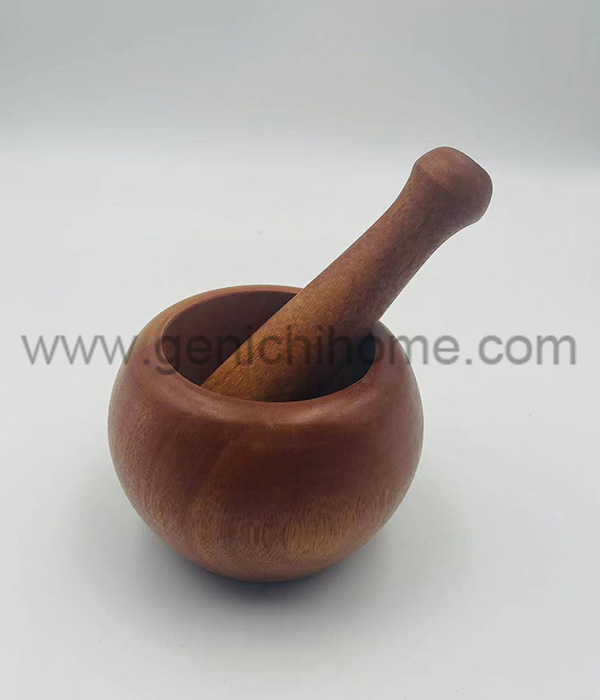
Our garlic pounds are made of Mahogany material to ensure their durability and lifespan.We firmly believe that the Garlic Pounder will revolutionize y...
See Details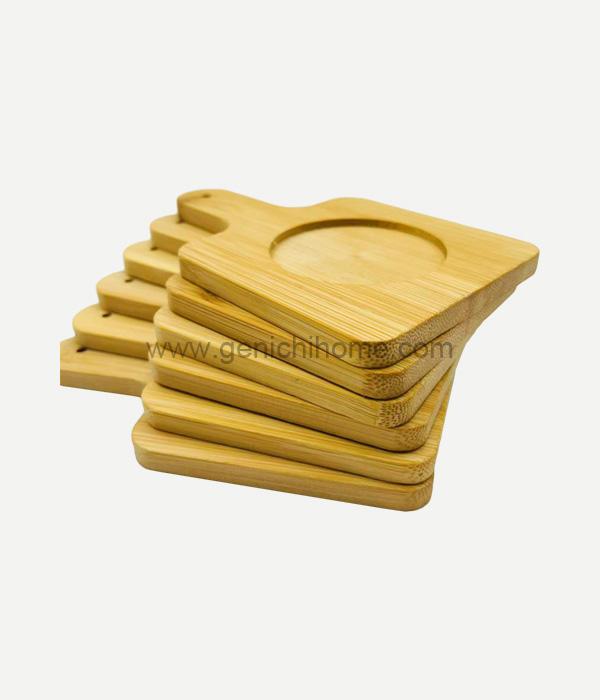
Our bamboo coasters are available in two shapes – round and square, both of which come equipped with a convenient handle. This unique feature allows f...
See Details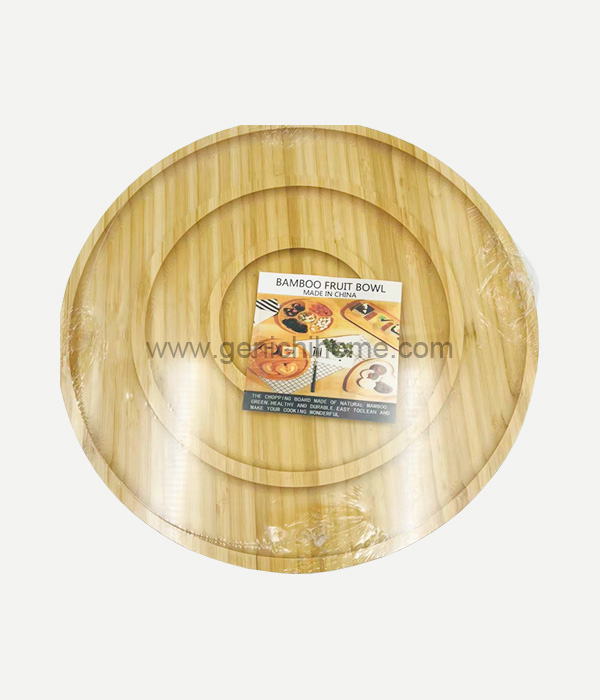
Our nut trays come in various sizes and partition designs for selection, specifically for storing snacks, dried fruits, and other items. The materials...
See Details
What sets our products apart from others on the market is the fact that they are made from PP material, which is completely safe for direct food conta...
See DetailsContact Us
Address: Room 1805, Communication Service Industrial Park, No. 183, Wenhui Road, Gongshu District, Hangzhou City, Zhejiang Province
E-mail: [email protected]
QUICK LINKS

