English
 русский
 عربى
عربى
We proudly present circular pizza tray, a classic design that ensures even heat distribution for a ly cooked pizza. The circular shape allows you to e...
See DetailsWhy Chopping Makes a Better Salad
Most salads disappoint not because of bad ingredients, but because of bad cuts. When greens are left in large, floppy pieces and vegetables are unevenly sized, the fork picks up only one or two things at a time — a bland bite here, an overwhelming crunch there. The dressing pools at the bottom instead of coating every piece.
A properly chopped salad fixes all of that. Uniform, bite-sized pieces mean every forkful delivers a mix of textures and flavors at once. The dressing clings to the cut surfaces rather than sliding off. And since everything is roughly the same size, no single ingredient dominates the bowl.
This is why chopped salads have become a staple at quality restaurants — and why the technique is worth learning at home. The ingredients don't need to be fancy. The cutting is the technique that makes the difference.
Content
Good results start with the right equipment. You don't need a professional kitchen, but a few key tools make a real difference in both speed and outcome.
Knife choice: The two most common options are a chef's knife and a mezzaluna. A chef's knife — ideally 8 inches or longer — handles most ingredients efficiently. A mezzaluna, the half-moon curved blade with handles on both ends, excels at rapidly chopping assembled salad ingredients together. If you're making chopped salads regularly, a mezzaluna is worth the investment. For occasional use, a sharp chef's knife does the job well.
Cutting board: Size matters here. A large, stable board gives you room to work through multiple ingredients without crowding. bamboo cutting boards for salad prep are a popular choice — bamboo is harder than most softwoods, which means it resists knife scoring and is less likely to harbor bacteria in deep grooves. It also stays flatter over time compared to thinner plastic boards.
Salad bowl: Choose a wide, deep bowl — one with enough volume that you can toss aggressively without ingredients flying out. An acacia wood salad bowl is well-suited for this: the weight keeps it stable on the counter, and the wide rim makes tossing easy. Avoid metal bowls for acidic dressings, which can react with the surface over time.
The best chopped salads balance at least three of these qualities: crunch, creaminess, sweetness, bitterness, and something savory or salty. A salad built entirely on romaine and cucumber is one-dimensional. Add a creamy element like avocado or chickpeas, something sweet like cherry tomatoes or apple, and a salty hit from cheese or olives — suddenly the bowl has depth.
Here's a reliable starting framework:
Before any cutting begins, wash all produce thoroughly under cold running water. Use the right food preparation tools — a colander and a salad spinner will remove excess water efficiently. Wet ingredients dilute dressing and make the salad soggy, so drying is not a step to skip. Firm produce like cucumbers and peppers can be scrubbed with a clean brush before rinsing.
Follow this sequence and the process becomes straightforward — even for a full composed salad with five or six components.
| Ingredient | Recommended Cut Size | Best Cutting Method | Notes |
|---|---|---|---|
| Romaine / Iceberg lettuce | ½ inch pieces | Stack and crosscut | Dry thoroughly before chopping |
| Cucumber | ½ inch dice | Halve lengthwise, then slice | Seedless varieties hold up better |
| Bell pepper | ½ inch dice | Remove core, slice into strips, then dice | Any color works; red adds sweetness |
| Cherry tomatoes | Halved | Simple halve — no further chopping | Chopping further releases too much liquid |
| Avocado | ½–¾ inch cubes | Score in the skin, scoop out | Add just before serving to prevent browning |
| Feta / hard cheese | Crumbled or ¼ inch cubes | Crumble by hand or dice | Add after chopping to avoid paste |
| Grilled chicken | ½ inch cubes | Slice against the grain, then dice | Fold in last; do not re-chop with other ingredients |
| Red onion | Fine dice or thin half-rings | Halve and thinly slice | Soak in cold water 5 min to reduce sharpness |
The timing of the dressing is where many home cooks go wrong. Add it too early and the salt draws moisture out of the vegetables, leaving a watery pool at the bottom of the bowl. The right approach: dress the salad right before serving, or serve the dressing alongside so guests can control their own portions.
For the dressing itself, a basic vinaigrette — three parts olive oil to one part acid (lemon juice or red wine vinegar) — works with virtually any chopped salad. Whisk the acid first, then drizzle in the oil while whisking to emulsify. A small spoonful of Dijon mustard helps the emulsion hold. Season with salt and pepper, taste before adding to the bowl, and adjust before it goes on the salad.
When tossing, use two large spoons or salad servers and work from the bottom of the bowl upward, folding rather than stirring, to keep the pieces intact without mashing. Taste after dressing — salad often needs a final pinch of salt even after the dressing is applied.
Storage: Undressed chopped salad keeps well for 3–4 days in a sealed container in the refrigerator. Once dressed, it should be consumed the same day. Keep proteins stored separately and add them fresh each time for best texture. For food safety, always wash produce before cutting, keep cut vegetables refrigerated promptly, and use a separate cutting board for produce and raw proteins. The U.S. Food and Drug Administration offers detailed guidance on safe handling and storage of fresh fruits and vegetables at home.
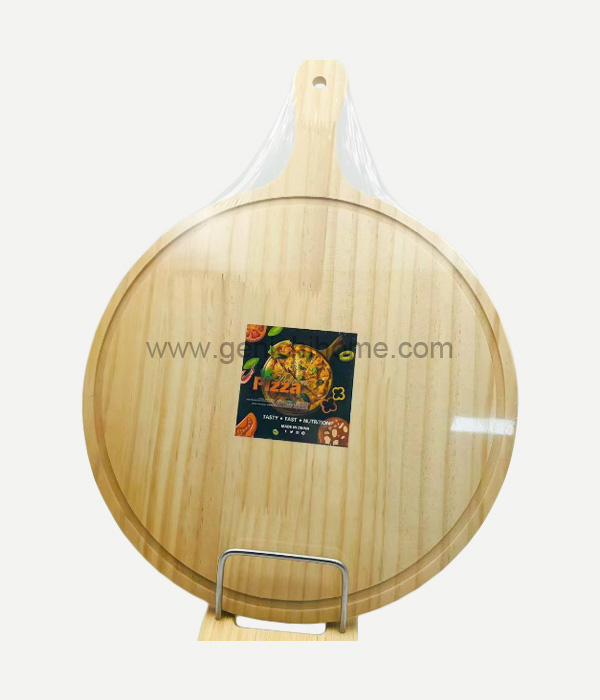
We proudly present circular pizza tray, a classic design that ensures even heat distribution for a ly cooked pizza. The circular shape allows you to e...
See Details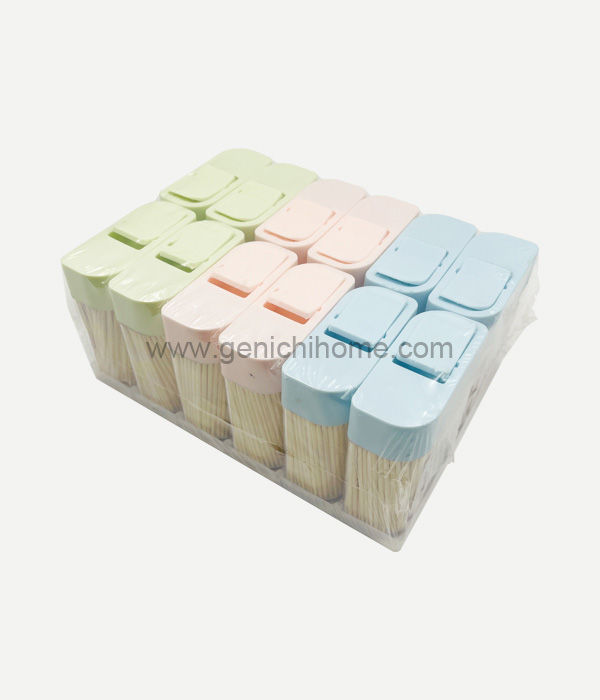
We have incorporated a flip-top design for easy to use. You can effortlessly open and close the toothpick container with a simple flick of your finger...
See Details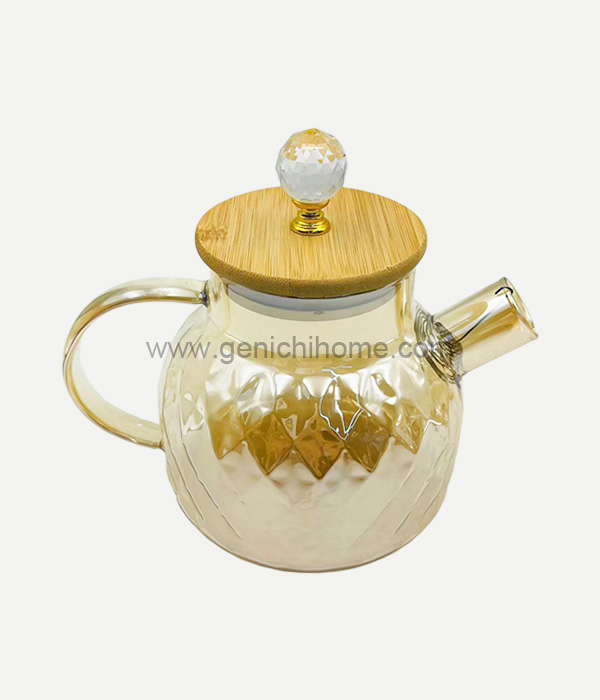
1000ml Capacity: Perfect for personal use or smaller get-togethers, this size offers convenience without compromising on style and functionality.
See Details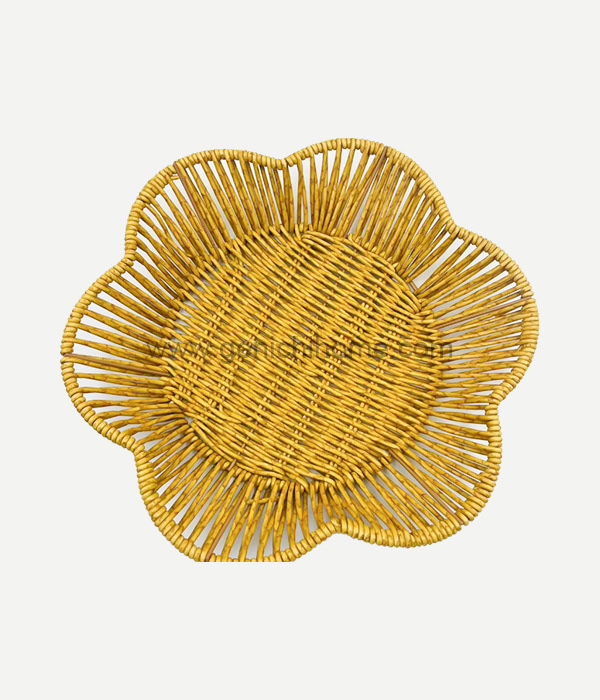
What sets our products apart from others on the market is the fact that they are made from PP material, which is completely safe for direct food conta...
See DetailsContact Us
Address: Room 1805, Communication Service Industrial Park, No. 183, Wenhui Road, Gongshu District, Hangzhou City, Zhejiang Province
E-mail: [email protected]
QUICK LINKS