
 English
 русский
 عربى
عربى
Our cutting board has a moderate thickness, making it easy to operate and effectively utilizing kitchen space. It is not only very suitable for cuttin...
See DetailsContent
Disposable dental floss refers to single-use flossing products designed for convenient interdental cleaning without the need for reusable containers or handles. These products typically come in individual packets, pre-measured strands, or single-use floss picks that are discarded after one application. Unlike traditional spooled floss that requires users to tear off sections from a larger container, disposable options provide pre-portioned amounts intended for immediate use and disposal.
The primary advantage of disposable dental floss lies in its portability and hygiene, making it ideal for travel, work, restaurants, and on-the-go situations where carrying conventional floss containers may be impractical. Studies show that people who keep disposable floss readily available increase their flossing frequency by approximately 35-40% compared to those who only use traditional spools, contributing to better oral health outcomes. The convenience factor addresses one of the main barriers to consistent flossing habits: accessibility at the right moment.
The market offers several distinct categories of disposable flossing products, each designed for specific user preferences and situations.
These products contain a single strand of floss, typically 12-18 inches in length, sealed in a compact paper or plastic envelope. The packaging maintains sterility until use and fits easily in wallets, purses, or pockets. Individual packets are commonly distributed in dental offices, hotels, and airlines. They represent the most environmentally friendly disposable option when using recyclable paper packaging, though plastic-wrapped versions contribute to waste concerns.
Floss picks feature a short section of floss stretched between two prongs of a plastic handle, often with a toothpick point at the opposite end. These are the most popular disposable floss format, representing approximately 60% of the disposable floss market. The handle design allows single-handed operation and easier reach to back teeth, making them particularly appealing to people with limited dexterity, braces wearers, and parents flossing children's teeth. However, the rigid design means users cannot curve the floss around each tooth as effectively as traditional string floss.
These devices combine elements of traditional floss with disposable convenience, featuring a handle with a section of floss pre-loaded and ready to use. Some designs include tension adjustment mechanisms that allow users to control floss tightness for better adaptation around tooth contours. Premium versions may incorporate ergonomic handles and longer floss sections that can clean multiple teeth before disposal.
While technically different from floss, disposable interdental brushes serve the same cleaning purpose for people with larger gaps between teeth or dental work. These small brushes feature bristles on a thin wire core and come in various sizes from 0.4mm to 1.5mm diameter. Though some are marketed as reusable for several applications, many users treat them as single-use items for hygiene reasons.
| Product Type | Cost Per Use | Cleaning Effectiveness | Convenience Rating | Environmental Impact |
|---|---|---|---|---|
| Individual Packet | $0.05-0.15 | High | Medium | Low-Medium |
| Floss Picks | $0.08-0.20 | Medium-High | Very High | High |
| Pre-Threaded Flossers | $0.15-0.30 | High | High | Medium-High |
| Traditional Spool | $0.02-0.05 | Very High | Medium | Low |
Correct flossing technique matters more than the product type when it comes to removing plaque and preventing gum disease. Even with convenient disposable products, improper use reduces effectiveness significantly.
When using pre-cut floss from individual packets, follow these steps for optimal cleaning:
The limited length of individual packet floss means you may need to reuse sections more than with traditional spools, but the 12-18 inch length is typically sufficient to clean all teeth if used efficiently.
Floss picks require modified technique due to their fixed design. Hold the handle firmly and insert the floss between teeth with gentle pressure. The key limitation is that the taut, straight floss cannot curve around teeth as effectively as string floss. To compensate, angle the pick to approach each tooth surface individually, making multiple insertions at different angles for each contact point. Research indicates that floss picks remove approximately 15-20% less plaque than properly used traditional floss, but they still provide significantly better cleaning than not flossing at all.
Even with disposable products designed for ease of use, several common errors reduce cleaning effectiveness:
Disposable dental floss comes in various materials and formulations, each offering distinct characteristics for different oral health needs and preferences.
Traditional nylon floss consists of multiple strands twisted together, available in waxed or unwaxed versions. Waxed nylon slides more easily between tight contacts and resists shredding, making it the preferred choice for 70-75% of floss users. Unwaxed nylon provides a slightly better grip on plaque but may fray in tight spaces or catch on rough dental work. Most disposable products use waxed nylon for reliability and user satisfaction.
Polytetrafluoroethylene (PTFE) floss consists of a single filament that glides easily between teeth and resists shredding even in very tight contacts. This material costs 30-50% more than nylon but virtually never breaks during use, making it ideal for people with crowded teeth, tight contacts, or dental restorations. The smooth texture requires less force to insert, reducing gum injury risk for novice flossers.
Growing environmental awareness has spawned floss made from silk, bamboo fiber, or corn-based PLA plastics. These materials offer biodegradability within 60-90 days under composting conditions compared to 50-80 years for conventional nylon. However, natural materials may not perform as well in tight spaces and typically cost 2-3 times more than synthetic alternatives. Bamboo charcoal-infused floss claims antimicrobial properties, though clinical evidence supporting superior plaque removal remains limited.
Many disposable floss products include functional coatings:
Clinical studies show that while these additives enhance the flossing experience, proper technique matters far more than special coatings when it comes to actual plaque removal effectiveness.
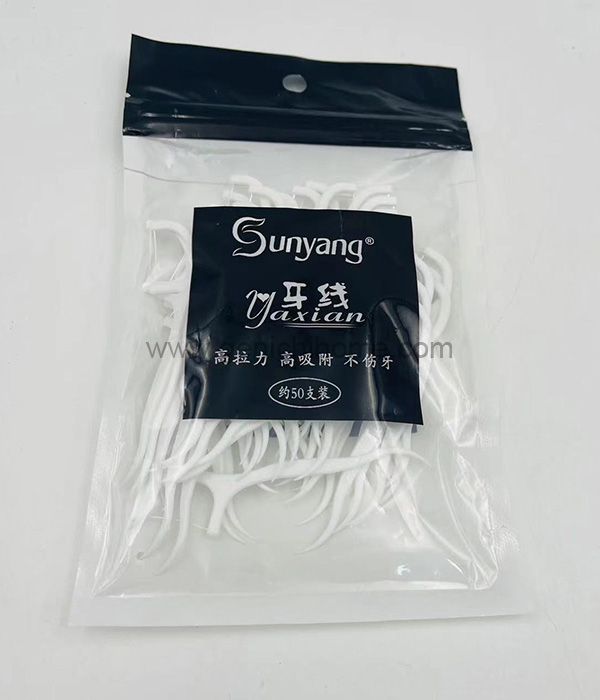
The convenience of disposable dental floss comes with environmental costs that conscientious consumers should consider when making purchasing decisions.
Floss picks represent a significant source of single-use plastic waste. Americans alone discard an estimated 3.5 billion floss picks annually, most made from non-biodegradable polypropylene or polystyrene plastics. These items rarely get recycled due to their small size and contamination with oral bacteria, instead ending up in landfills or as marine debris. The average floss pick weighs approximately 0.5 grams, meaning annual U.S. consumption generates roughly 1,750 metric tons of plastic waste from this source alone.
Individual packet floss generates additional packaging waste beyond the floss material itself. Plastic-wrapped packets compound environmental impact, while paper envelopes offer a more sustainable alternative that can be recycled or composted. Multi-pack boxes of floss picks typically contain 25-100 individually wrapped units, multiplying packaging waste compared to traditional floss spools that dispense hundreds of uses from a single container.
For consumers seeking to balance convenience with environmental responsibility, several options exist:
Some manufacturers now offer compostable floss picks that break down within 90-180 days in industrial composting facilities, though these cost 50-100% more than conventional plastic versions and may not be accepted in all municipal composting programs.
Understanding the true cost of disposable dental floss helps consumers make informed decisions based on both budget and value considerations.
Traditional spooled floss remains the most economical option at $0.02-0.05 per use, with a typical 50-yard spool costing $3-5 and providing approximately 100 uses. Individual packet floss ranges from $0.05-0.15 per use when purchased in bulk quantities. Floss picks typically cost $0.08-0.20 each, with premium versions featuring ergonomic handles or special coatings reaching $0.25-0.30 per pick.
For someone flossing daily as recommended by dentists:
While the absolute cost difference may seem modest, disposable products can cost 4-15 times more annually than traditional floss. However, this calculation doesn't account for the value of increased compliance—if disposable convenience results in actually flossing daily instead of sporadically, the oral health benefits justify the additional cost.
Consider indirect costs when evaluating product value. Preventing just one cavity through consistent flossing saves $200-400 in dental filling costs, far exceeding annual floss expenses regardless of product type. Disposable products eliminate waste from unused floss sections, as people commonly discard 20-30% of traditional spool floss due to contamination or excessive length. For households with multiple users, individual packets or picks reduce cross-contamination concerns and product waste from shared containers.
Regular flossing, regardless of product type, provides documented oral health benefits that extend beyond just cavity prevention.
Clinical studies demonstrate that daily flossing removes 40% more plaque than brushing alone, particularly in interproximal areas where toothbrush bristles cannot reach. A meta-analysis of 12 controlled trials found that flossing in addition to toothbrushing reduces gingivitis by 23% compared to brushing alone. The key factor is consistent daily use rather than the specific floss product, though proper technique with traditional string floss shows slight advantages over floss picks in some studies.
Approximately 90% of all cavities form between teeth where brushing alone cannot clean. Regular flossing disrupts bacterial biofilm formation in these interproximal spaces, reducing decay risk by 30-40% according to longitudinal studies. The American Dental Association states that flossing is essential for removing debris and bacterial plaque from areas accounting for more than one-third of tooth surfaces.
Emerging research links periodontal disease to systemic health conditions including cardiovascular disease, diabetes complications, and adverse pregnancy outcomes. While the mechanisms remain under investigation, maintaining healthy gums through consistent flossing may contribute to overall health beyond oral cavity benefits. Studies show that people with gum disease have 2-3 times higher risk of heart attack and stroke, though causation versus correlation remains debated.
The greatest benefit of disposable floss products may be their impact on user compliance. Research indicates that only 30% of Americans floss daily, with convenience cited as a major barrier. Studies examining flossing behavior show that people who keep disposable floss readily accessible at work, in vehicles, or in purses increase their flossing frequency by 35-50% compared to baseline. This improved compliance translates to measurable oral health improvements even if the disposable products are slightly less effective per use than traditional floss used optimally.
Choosing appropriate disposable floss depends on individual oral anatomy, lifestyle factors, and personal preferences.
People with naturally tight spaces between teeth should prioritize PTFE monofilament floss or heavily waxed nylon products that resist shredding. Floss picks with taut strings may require excessive force to insert between tight contacts, potentially causing gum damage. Individual packet floss allows better control and technique modification for challenging areas. Look for products specifically labeled "for tight teeth" or "shred-resistant" to minimize frustration and breakage.
Bridges, implants, and orthodontic appliances require specialized flossing approaches. People with braces benefit from floss picks or pre-threaded flossers with stiff ends that can be inserted under orthodontic wires. Those with bridges need super floss or floss threaders—some disposable products incorporate these features. Implant patients should use non-fraying PTFE floss to avoid leaving debris around implant abutments, where bacterial accumulation can cause peri-implantitis.
Floss picks excel for people with limited hand dexterity, arthritis, or those flossing children's teeth. The handle provides leverage and control that wrapping traditional floss around fingers cannot match. Individuals with long fingernails, healthcare workers who wear gloves frequently, or anyone who finds traditional flossing technique awkward benefit most from floss pick convenience, even acknowledging slightly reduced effectiveness compared to optimal string floss technique.
Match product selection to when and where you'll floss:

Certain groups benefit particularly from disposable floss products designed for their specific needs and capabilities.
Pediatric dentists recommend parents begin flossing children's teeth as soon as two teeth touch, typically around age 2-3 years. Floss picks in bright colors or fun shapes encourage cooperation and make the process easier for parents to perform. As children develop motor skills around age 8-10, they can begin flossing independently, with picks providing easier learning tools than traditional string floss. Flavored options reduce resistance from taste-sensitive children, improving compliance during these formative years when flossing habits develop.
Arthritis, reduced fine motor control, and vision challenges make traditional flossing difficult for many elderly adults. Extended-handle floss picks or flossers with ergonomic grips enable continued independence in oral care. Caregivers assisting with oral hygiene also find floss picks simpler to use when helping others. Given that 68% of adults over age 65 have gum disease, maintaining flossing capability through assistive products becomes increasingly important with age.
Pregnant women experience increased gum sensitivity and bleeding due to hormonal changes, affecting up to 60-75% of pregnancies. Gentle flossing becomes even more critical during this period to prevent pregnancy gingivitis. Waxed or PTFE floss reduces trauma to sensitive gums, while unflavored or mild mint varieties avoid triggering pregnancy-related nausea. Disposable options encourage consistent use despite increased discomfort and fatigue common during pregnancy.
Proper storage maintains product quality and ensures disposable floss performs effectively when needed.
Store disposable floss products in cool, dry locations away from direct sunlight. Heat and humidity can degrade wax coatings, affect flavoring compounds, and reduce package seal integrity. Bathroom storage exposes products to moisture and temperature fluctuations that may shorten usable life. Individual packets maintain freshness longer than bulk containers of loose picks, as each unit remains sealed until use. Premium products in climate-controlled environments retain optimal performance for 3-5 years, while budget items or those stored poorly may degrade within 12-18 months.
When carrying disposable floss for on-the-go use, protect packets or picks from crushing and contamination. Small metal or plastic cases designed specifically for floss picks prevent damage and maintain hygiene. Individual packets can be stored in wallets, but avoid areas where body heat and pressure might damage packaging. For extended travel, pack sufficient quantity plus extras, as finding specific preferred products while traveling can be challenging. TSA regulations permit unlimited floss and floss picks in carry-on luggage, making them ideal travel oral care items.
Buying disposable floss in large quantities reduces per-unit cost by 30-50% but requires considering shelf life and storage capacity. Calculate realistic usage rates before bulk purchasing—a family of four flossing daily consumes approximately 120 picks monthly or 1,440 annually. Buying 6-12 month supplies balances cost savings with freshness concerns. Check manufacturing dates when available and rotate stock to use older products first, particularly for flavored varieties where taste compounds degrade over time.
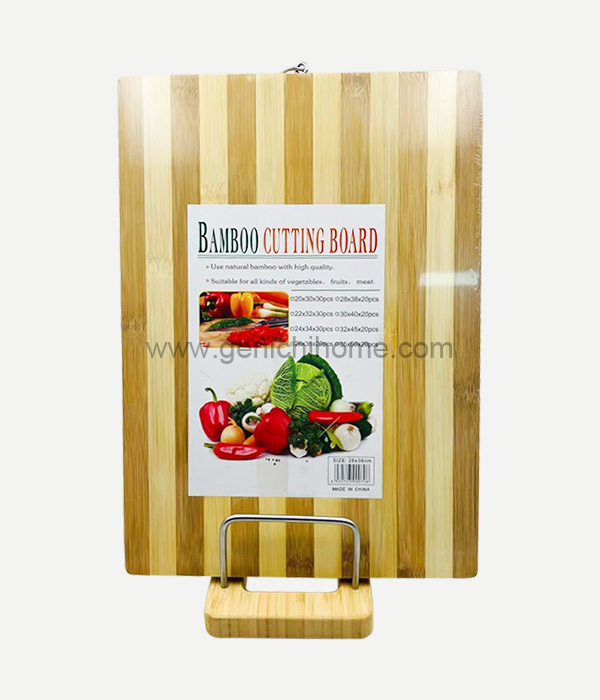
Our cutting board has a moderate thickness, making it easy to operate and effectively utilizing kitchen space. It is not only very suitable for cuttin...
See Details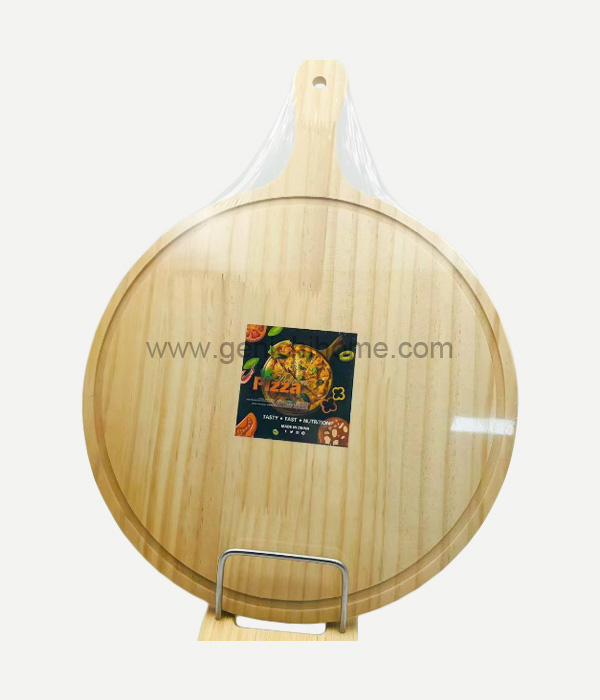
We proudly present circular pizza tray, a classic design that ensures even heat distribution for a ly cooked pizza. The circular shape allows you to e...
See Details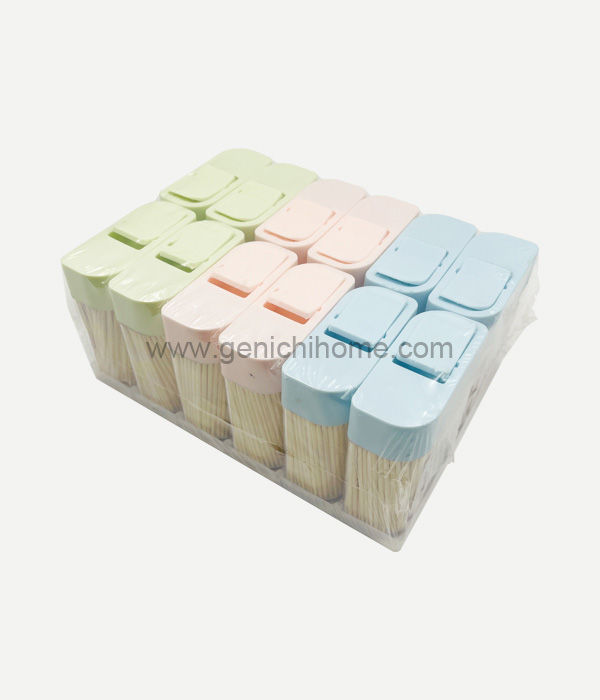
We have incorporated a flip-top design for easy to use. You can effortlessly open and close the toothpick container with a simple flick of your finger...
See Details
In terms of functionality, our Bamboo Nut Tray comes in two different options to suit your needs. The option is a three-compartment tray, allowing you...
See Details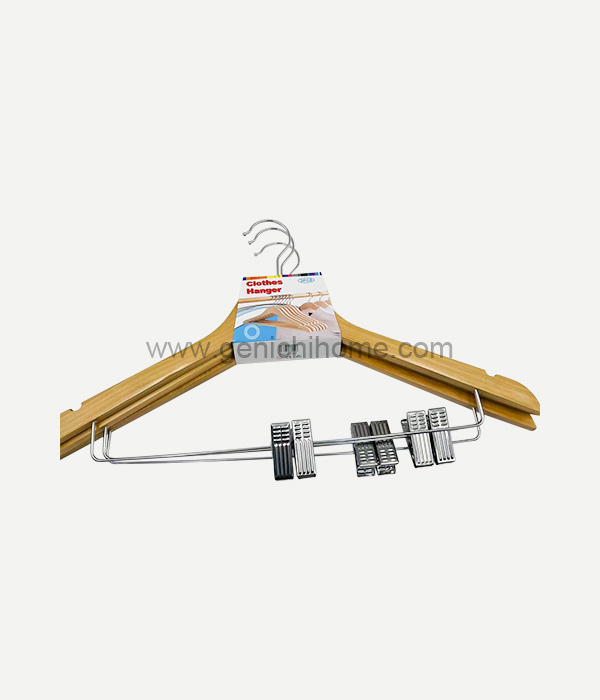
Our wooden clothes hangers are available in two sizes - adult and child. Whether you are looking to organize your own wardrobe or your little one's cl...
See DetailsContact Us
Address: Room 1805, Communication Service Industrial Park, No. 183, Wenhui Road, Gongshu District, Hangzhou City, Zhejiang Province
E-mail: [email protected]
QUICK LINKS

