
 English
 русский
 عربى
عربى
Our cutting board has a moderate thickness, making it easy to operate and effectively utilizing kitchen space. It is not only very suitable for cuttin...
See DetailsContent
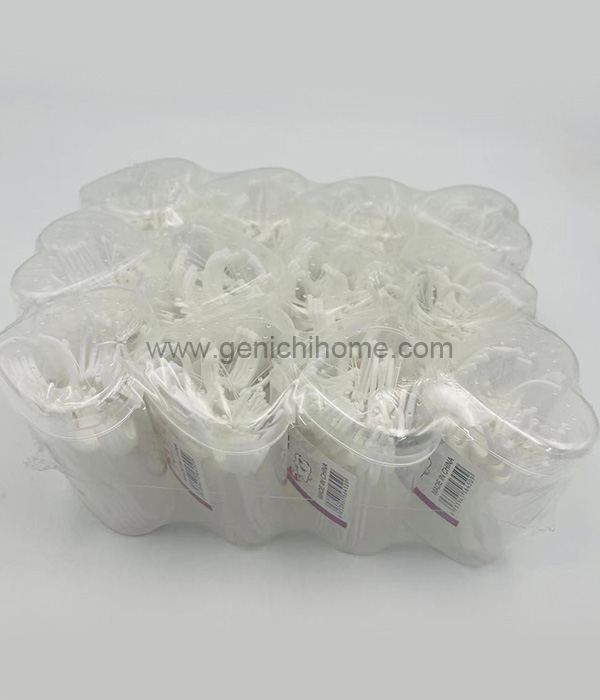
Unlike traditional spool floss, disposable flossers integrate a short segment of floss (15–25 mm) stretched between two arms of a plastic or bioplastic handle. This design simplifies access to posterior teeth and eliminates the need for finger wrapping, making it popular among children, elderly users, and on-the-go professionals. However, the fixed tension and limited length restrict the “C-shape” technique recommended by dental hygienists.
The floss strand itself varies significantly in composition and performance. Most disposable flosses use either nylon (multifilament) or PTFE (monofilament). Nylon is cost-effective but prone to shredding between tight contacts; PTFE glides smoothly but offers less mechanical plaque disruption. Many brands add coatings to enhance function:
A 2023 study in the Journal of Clinical Periodontology found that waxed PTFE floss removed 28% more plaque from tight interproximal spaces than unwaxed nylon in single-use trials.
Handle geometry directly affects control and reach. Curved or angled tips improve access to molars, while textured grips prevent slippage. Pediatric versions often feature shorter handles (60–70 mm) and colorful designs to encourage use. Crucially, the floss tension must be calibrated—too loose fails to conform to tooth contours; too tight risks snapping or gum laceration.
High-quality picks maintain consistent floss tension across 50+ insertion cycles in lab tests, whereas budget options often stretch or detach after 2–3 uses. Look for dual-ended designs—one side for standard cleaning, the other with a toothpick tip for debris removal.
Convenience comes at an ecological cost. A single user may discard 300–400 floss picks annually—most made from polypropylene or polystyrene, which persist in landfills for centuries. Some brands now offer alternatives:
| Material | Biodegradability | Limitations |
|---|---|---|
| PLA (cornstarch-based) | Industrial compost only | Brittle; limited shelf life |
| Bamboo fiber handle + silk floss | Home compostable | Higher cost; lower tensile strength |
| Recycled ocean plastic | Non-biodegradable but recycled | Still contributes to microplastic shedding |
Even “eco” picks rarely address the floss strand’s persistence—nylon and PTFE do not biodegrade.
Dental associations acknowledge disposable floss as effective for users who otherwise wouldn’t floss. However, the American Dental Association (ADA) notes limitations: the short floss length prevents repositioning to clean multiple surfaces with a clean segment, increasing cross-contamination risk.
In a controlled trial, participants using traditional floss removed 18% more plaque from lingual surfaces than those using standard picks. Yet, compliance was 3× higher in the pick group over a 4-week period. For inconsistent flossers, disposable picks are better than no floss at all—but ideal hygiene still requires proper technique and material choice.
Reputable disposable flossers comply with ISO 16409 (dentistry—floss standards) and FDA regulations for medical devices. Key requirements include:
Avoid unbranded products from unknown sources—lab tests have found excessive heavy metals (lead, cadmium) in some imported picks.
To maximize benefit and minimize harm:
Replace picks immediately if the floss frays or the handle cracks—compromised integrity reduces cleaning efficacy.
Emerging technologies aim to bridge the gap between convenience and sustainability. Water-soluble PVA (polyvinyl alcohol) floss dissolves after use, eliminating microplastic concerns. Smart floss picks with embedded pH sensors can detect early signs of decay by analyzing saliva chemistry. Meanwhile, refillable handle systems—where only the floss cartridge is replaced—cut plastic waste by up to 70%.
The future of disposable dental floss lies in balancing usability, clinical performance, and planetary responsibility—ensuring that daily oral care doesn’t come at the cost of long-term environmental health.
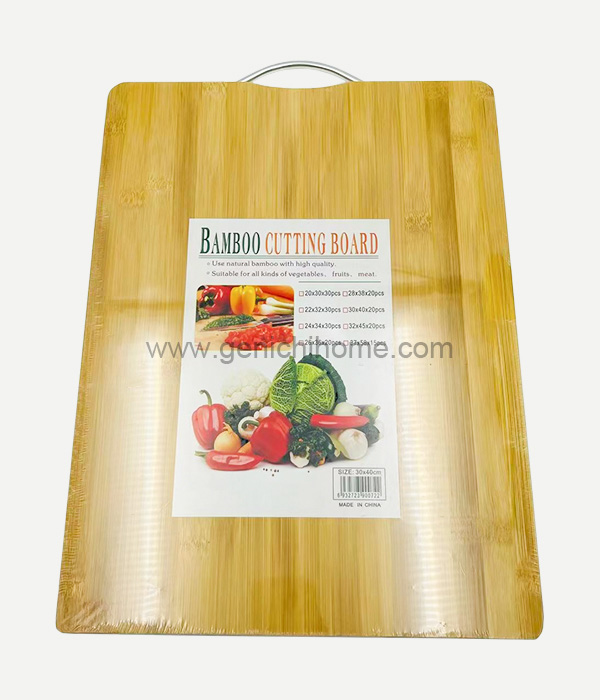
Our cutting board has a moderate thickness, making it easy to operate and effectively utilizing kitchen space. It is not only very suitable for cuttin...
See Details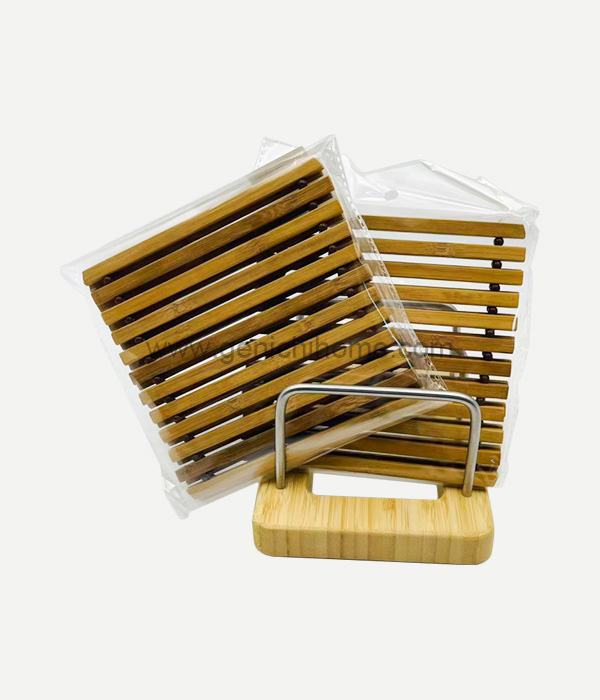
Our bamboo insulation mat is designed with exquisite grid patterns that provide a modern and minimalist touch, making it a versatile choice for any ho...
See Details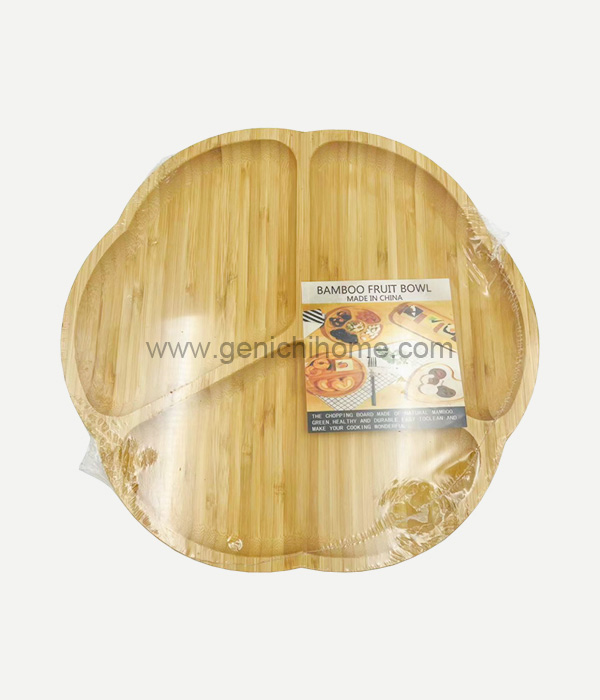
Our nut trays come in various sizes and partition designs for selection, specifically for storing snacks, dried fruits, and other items. The materials...
See Details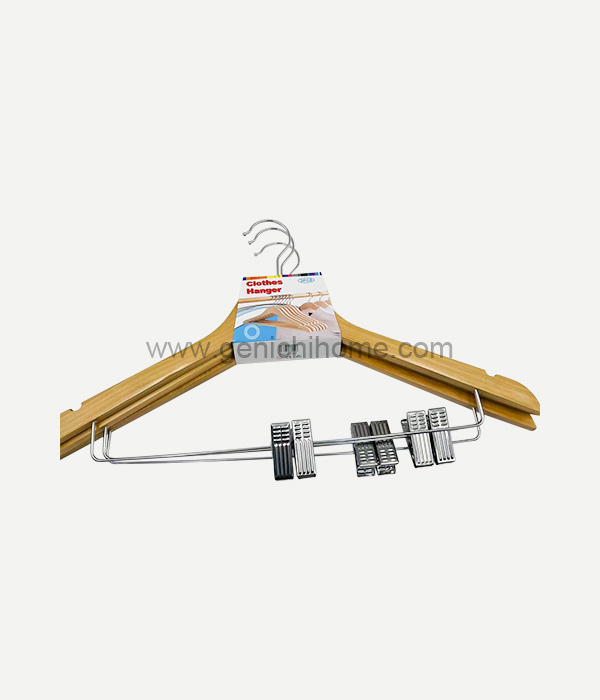
Our wooden clothes hangers are available in two sizes - adult and child. Whether you are looking to organize your own wardrobe or your little one's cl...
See Details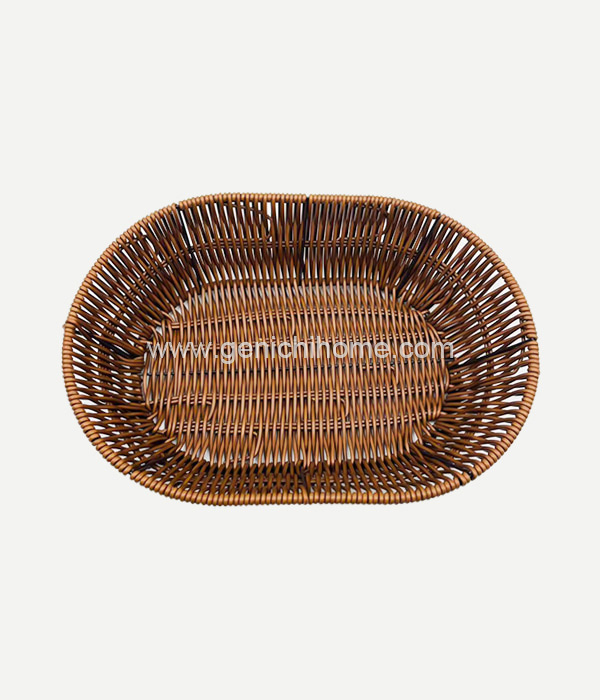
Rattan weaving products are our main recommended series. This product is woven with sturdy and beautiful shapes. Whether it's storage baskets or fruit...
See DetailsContact Us
Address: Room 1805, Communication Service Industrial Park, No. 183, Wenhui Road, Gongshu District, Hangzhou City, Zhejiang Province
E-mail: [email protected]
QUICK LINKS

