
 English
 русский
 عربى
عربى
In terms of functionality, our Bamboo Nut Tray comes in two different options to suit your needs. The option is a three-compartment tray, allowing you...
See DetailsContent
Smart homes are no longer limited to luxury properties or technology enthusiasts. With the increasing availability of affordable and user-friendly devices, smart household items have become common in homes around the world. These items integrate digital technology, sensors, and connectivity to improve comfort, efficiency, and control over daily household activities.
The popularity of smart household items is driven by practical benefits rather than novelty. Homeowners are increasingly choosing items that save time, reduce energy consumption, enhance safety, and simplify home management. Understanding which household items are most widely adopted helps consumers make informed decisions when upgrading their living spaces.
Smart speakers are among the most popular household items in smart homes. Equipped with voice assistants, these devices act as central control hubs for other smart products. Users can control lighting, thermostats, and appliances using simple voice commands, making daily tasks more efficient.
Beyond control functions, smart speakers provide practical features such as reminders, weather updates, timers, and entertainment. Their ability to integrate with multiple brands and platforms makes them a foundational item in many smart home ecosystems.
Smart lighting is another highly popular category of household items. Smart bulbs, switches, and lighting systems allow users to control brightness, color temperature, and schedules through mobile apps or voice commands. This flexibility improves both convenience and energy efficiency.
Many smart homes use automated lighting routines to match daily activities, such as dimming lights in the evening or turning them off automatically when rooms are unoccupied. These features make smart lighting one of the most practical and noticeable upgrades for modern households.
Smart thermostats have gained popularity due to their ability to optimize heating and cooling based on usage patterns. These household items learn user preferences and adjust temperatures automatically, improving comfort while reducing energy waste.
Many smart thermostats provide detailed energy usage reports, helping homeowners understand consumption patterns and identify opportunities for savings. In regions with high energy costs, these devices are often among the first smart upgrades installed.
Improved temperature consistency, remote access, and energy efficiency make smart thermostats a valuable household item for both apartments and larger homes.
Security-related household items are among the fastest-growing segments in smart homes. Popular products include smart doorbells, indoor and outdoor cameras, motion sensors, and smart locks. These devices provide real-time monitoring and alerts, offering homeowners greater peace of mind.
Smart security items allow users to check their homes remotely, receive notifications of unusual activity, and control access for family members or service providers. Their practical safety benefits make them a priority for many households.
The kitchen is a key area where smart household items are gaining popularity. Smart refrigerators, ovens, coffee makers, and dishwashers offer features such as remote monitoring, automated settings, and maintenance alerts. These appliances help streamline daily routines and reduce manual effort.
For example, smart refrigerators can track temperature stability, while smart ovens allow users to preheat or adjust cooking settings remotely. These features improve efficiency and help reduce food waste or cooking errors.
Smart cleaning items, especially robotic vacuum cleaners and mopping devices, have become mainstream in smart homes. These devices operate autonomously, using sensors and mapping technology to clean floors efficiently with minimal user intervention.
Users can schedule cleaning sessions, define no-go zones, and monitor progress through mobile apps. This hands-off approach to cleaning appeals to busy households and contributes to their widespread popularity.
Smart plugs are simple yet powerful household items that transform traditional appliances into smart devices. By controlling power supply remotely, users can turn devices on or off, set schedules, and monitor energy usage.
Energy monitoring features help homeowners identify high-consumption appliances and adjust usage habits accordingly. Because of their low cost and ease of installation, smart plugs are often an entry point into smart home technology.
| Household Item | Primary Function | Main Benefit |
| Smart Speaker | Voice control hub | Convenience and integration |
| Smart Lighting | Automated lighting | Energy savings |
| Smart Thermostat | Climate control | Comfort and efficiency |
| Smart Security | Home monitoring | Safety and peace of mind |
When selecting smart household items, compatibility and long-term usability are critical factors. Devices that integrate smoothly with existing systems and offer regular software updates provide better value over time. Reliability and ease of use often matter more than advanced features that may go unused.
Focusing on items that address real household needs, such as energy management or cleaning efficiency, ensures that smart home investments deliver meaningful benefits.
The most popular household items in smart homes are those that combine practicality, reliability, and ease of integration. Smart speakers, lighting, thermostats, security devices, and cleaning tools have become standard choices because they directly improve daily living.
As technology continues to evolve, smart household items will become even more accessible and efficient, reinforcing their role as essential components of modern homes worldwide.
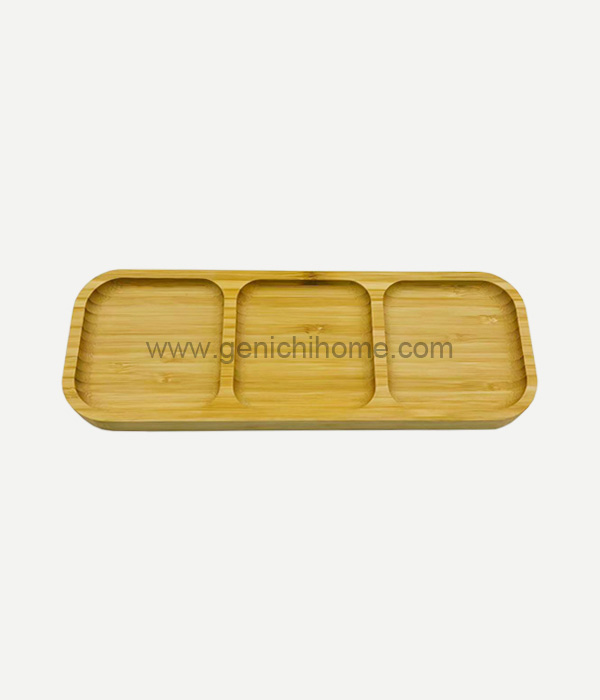
In terms of functionality, our Bamboo Nut Tray comes in two different options to suit your needs. The option is a three-compartment tray, allowing you...
See Details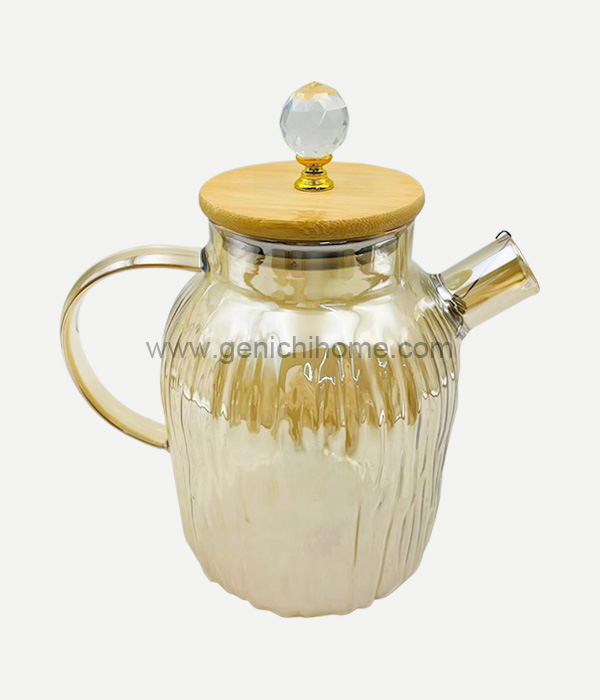
1800ml Capacity: Ideal for tea parties or larger gatherings, this variant ensures you can brew a significant amount of tea in one go.
See Details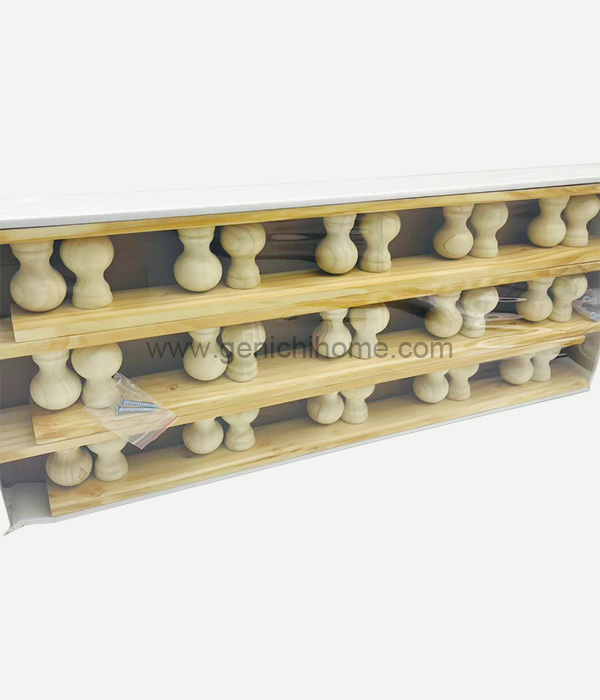
The 5-hook hanger is ideal for those seeking extra storage capacity. With five sturdy hooks, you'll have plenty of space for all your clothing and hat...
See Details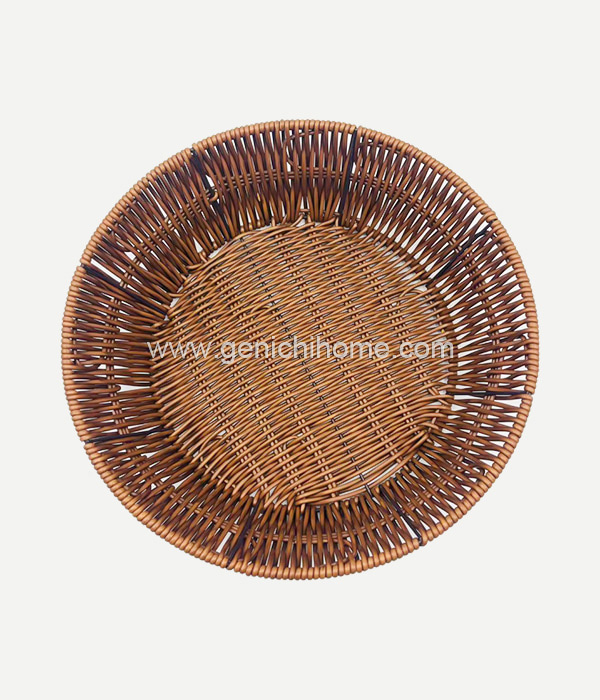
Rattan weaving products are our main recommended series. This product is woven with sturdy and beautiful shapes. Whether it's storage baskets or fruit...
See Details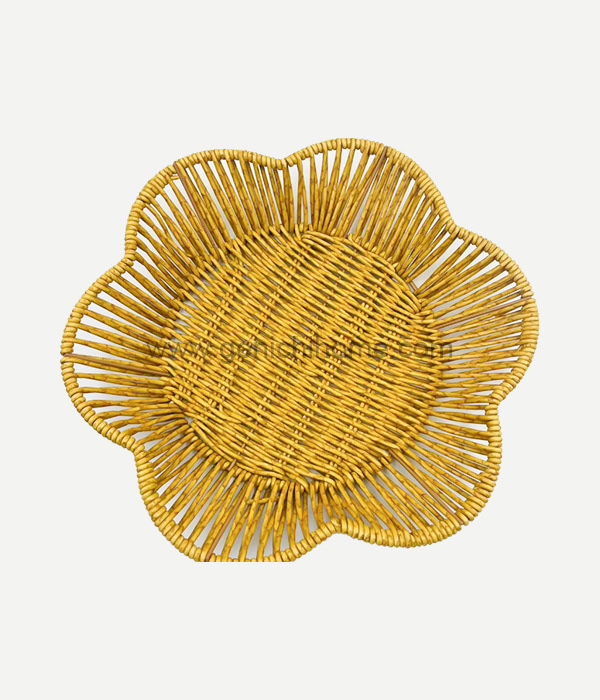
What sets our products apart from others on the market is the fact that they are made from PP material, which is completely safe for direct food conta...
See DetailsContact Us
Address: Room 1805, Communication Service Industrial Park, No. 183, Wenhui Road, Gongshu District, Hangzhou City, Zhejiang Province
E-mail: [email protected]
QUICK LINKS

