
 English
 русский
 عربى
عربى
In addition to its durability, our wooden rice spoon is also heat-resistant. It can withstand high temperatures without warping or melting, ensuring s...
See DetailsContent
Bamboo coasters and wooden coasters are both popular natural-material options used to protect tabletops from heat, moisture, and stains. At first glance, they may look similar, but the materials behind them behave very differently in real-world use. Understanding these differences helps buyers choose the right type of coaster for their home, office, or commercial setting.
Bamboo is technically a fast-growing grass that is processed into laminated boards, while wooden coasters are typically made from hardwoods or softwoods such as oak, walnut, beech, or pine. This fundamental distinction influences performance, durability, sustainability, and maintenance requirements.
Bamboo coasters are produced by cutting bamboo stalks into strips, treating them, and bonding them together under pressure using adhesives. This layered structure creates a dense and uniform material with consistent strength. Wooden coasters, on the other hand, are usually cut directly from solid wood or engineered wood panels.
Solid wood has a natural grain pattern and internal pores that vary depending on the species. These natural variations affect how the coaster responds to moisture, temperature, and long-term wear.
Durability is one of the main practical differences between bamboo coasters and wooden coasters. Bamboo’s dense fiber structure gives it excellent resistance to cracking and warping. It performs well in environments with changing humidity, such as kitchens or dining areas.
Wooden coasters vary widely in durability depending on the type of wood used. Hardwoods are generally durable but may still expand or contract with moisture. Softwoods are more prone to dents and surface wear over time.
Bamboo coasters tend to resist surface dents better due to their laminated construction. Wooden coasters, especially those made from softer species, may show marks from cups, mugs, or accidental drops more quickly.
Moisture exposure is unavoidable for coasters, making water resistance a critical factor. Bamboo coasters generally perform better in this area because bamboo fibers absorb less water than many types of wood. When sealed properly, bamboo coasters are less likely to swell or deform.
Wooden coasters can absorb moisture through their pores, particularly if the surface finish wears down. Prolonged exposure to condensation may lead to staining, warping, or mildew if not properly maintained.
Both bamboo coasters and wooden coasters can handle hot beverages, but bamboo often has a slight advantage due to its higher density and thermal stability. Bamboo coasters are less likely to develop heat marks from mugs filled with coffee or tea.
Wooden coasters may show heat rings over time, especially if the finish is thin or worn. Using protective coatings helps, but it also increases maintenance requirements.
Sustainability is one of the strongest selling points of bamboo coasters. Bamboo grows rapidly and can be harvested within a few years without killing the plant. This makes it a highly renewable resource when responsibly managed.
Wooden coasters depend on tree harvesting, which can take decades to regenerate. While responsibly sourced wood is still a sustainable option, bamboo generally has a lower environmental footprint in terms of growth rate and land use.
Bamboo coasters typically have a clean, modern appearance with subtle grain patterns. They are often favored in minimalist or contemporary interiors. Their uniform color makes them suitable for laser engraving or branding.
Wooden coasters offer greater visual variety due to natural grain differences. They can feel warmer and more traditional, which appeals to rustic or classic décor styles. However, color and texture consistency may vary from piece to piece.
Bamboo coasters are generally easier to maintain. A simple wipe with a damp cloth is usually sufficient, and they dry quickly. Their resistance to moisture helps prevent lingering odors or stains.
Wooden coasters often require more care. They may need periodic oiling or resealing to maintain appearance and water resistance. Improper drying can shorten their lifespan.
Bamboo coasters are often competitively priced due to efficient manufacturing and abundant raw material. They offer good value for buyers looking for durability and low maintenance.
Wooden coasters can range from affordable to premium, depending on wood species and craftsmanship. High-end hardwood coasters may cost more but appeal to buyers prioritizing aesthetics.
| Feature | Bamboo Coasters | Wooden Coasters |
| Moisture Resistance | High | Moderate |
| Maintenance | Low | Medium |
| Sustainability | Very High | Variable |
Choosing between bamboo coasters and wooden coasters depends on priorities. Bamboo coasters are ideal for users who want durability, moisture resistance, and eco-friendly materials with minimal upkeep. Wooden coasters suit those who value traditional aesthetics and are willing to perform regular maintenance.
For everyday household use, offices, or promotional items, bamboo coasters often provide better long-term practicality. Wooden coasters may be preferred for decorative purposes or specialty gift items where appearance takes precedence.
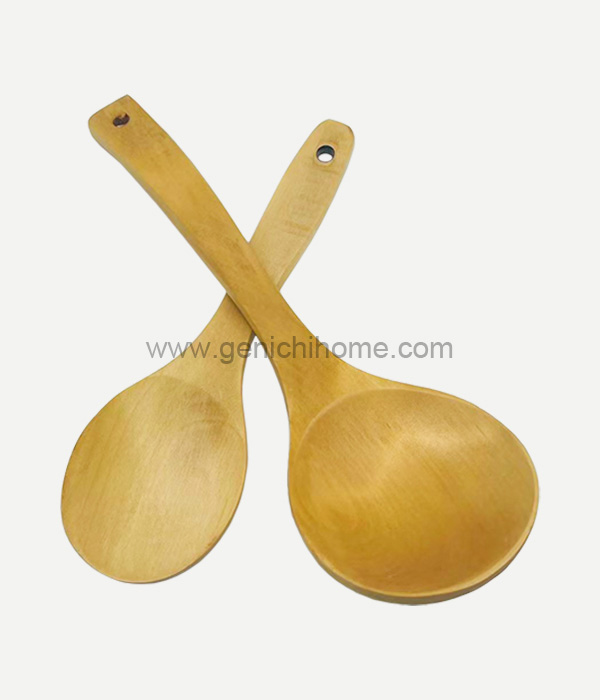
In addition to its durability, our wooden rice spoon is also heat-resistant. It can withstand high temperatures without warping or melting, ensuring s...
See Details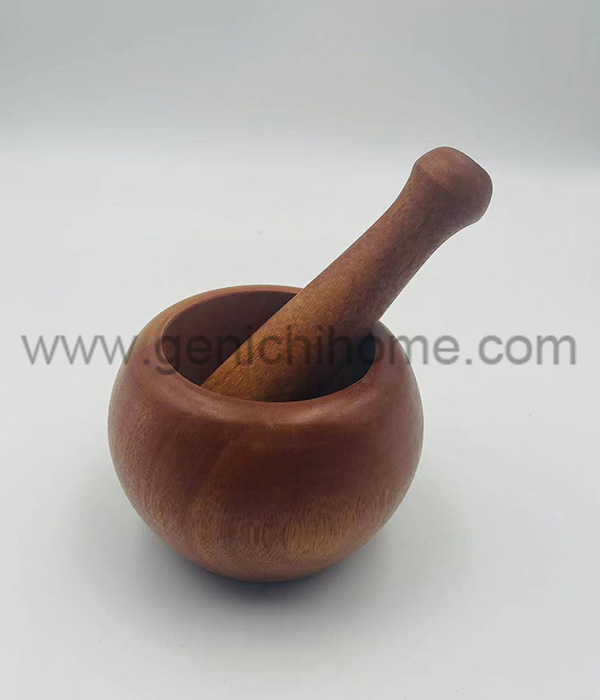
Our garlic pounds are made of Mahogany material to ensure their durability and lifespan.We firmly believe that the Garlic Pounder will revolutionize y...
See Details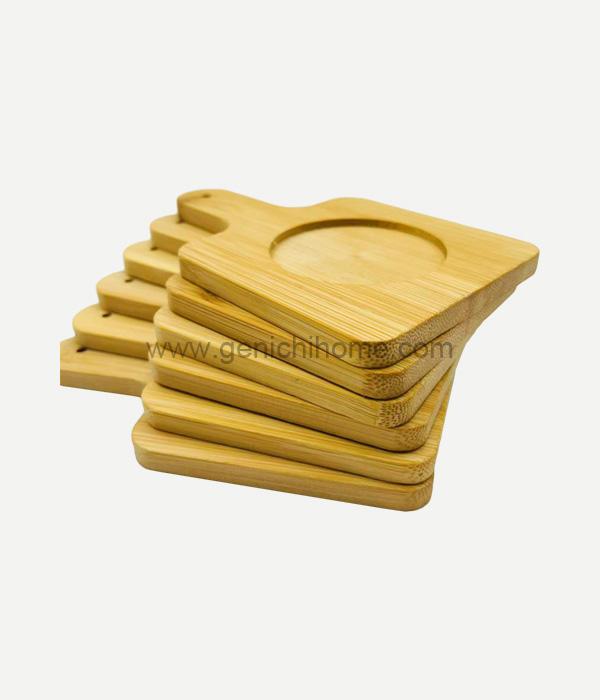
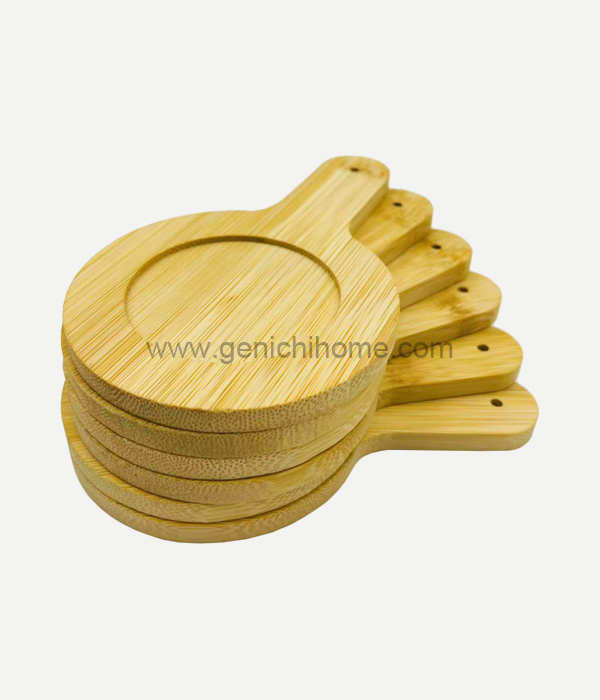
Our bamboo coasters are available in two shapes – round and square, both of which come equipped with a convenient handle. This unique feature allows f...
See Details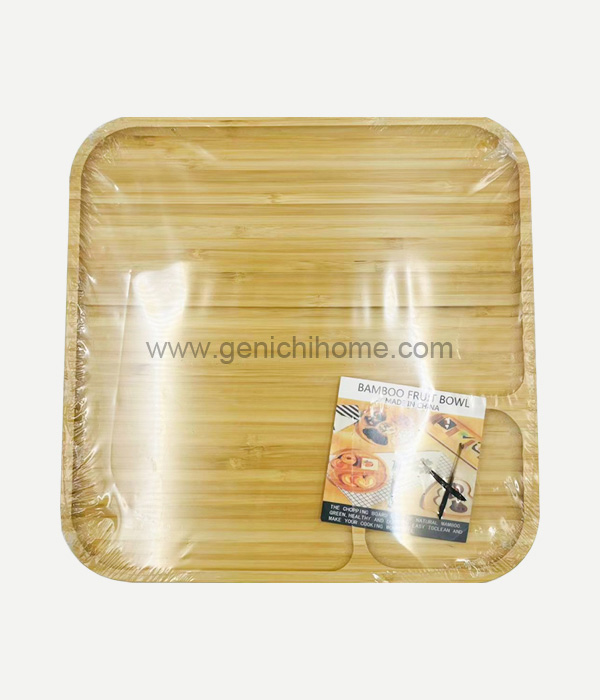
In terms of functionality, our Bamboo Nut Tray comes in two different options to suit your needs. The option is a three-compartment tray, allowing you...
See Details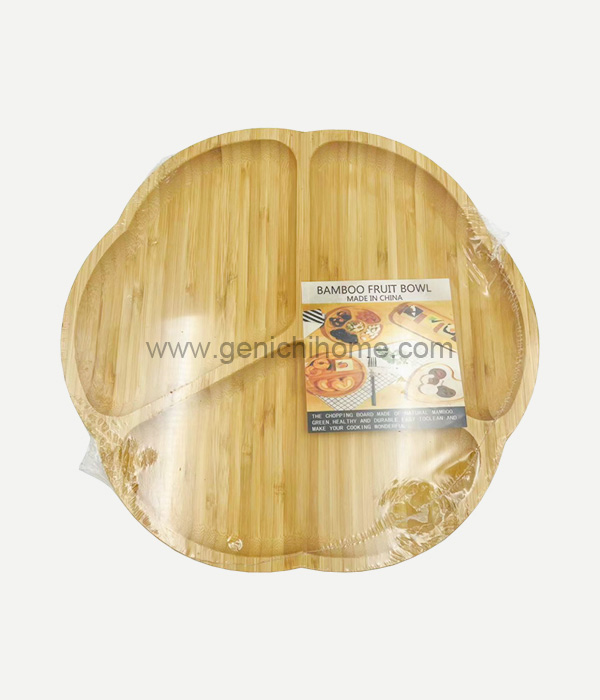
Our nut trays come in various sizes and partition designs for selection, specifically for storing snacks, dried fruits, and other items. The materials...
See DetailsContact Us
Address: Room 1805, Communication Service Industrial Park, No. 183, Wenhui Road, Gongshu District, Hangzhou City, Zhejiang Province
E-mail: [email protected]
QUICK LINKS

